Advanced Laser Technology for Pilonidal Sinus Treatment: A Minimally Invasive Solution
Pilonidal sinus disease can be a persistent and uncomfortable condition, often causing pain, swelling, and recurrent infections. For many years, traditional surgical approaches were the primary treatment option, often involving large incisions and prolonged recovery times. However, medical science has made significant strides, and today, advanced laser technologies offer a revolutionary, minimally invasive solution for pilonidal sinus treatment.
At the forefront of this innovation is Dr. Adarsh M Patil, a highly experienced pilonidal sinus specialist in Bangalore with over 25 years of expertise. Dr. Patil, with his KMC Reg: 53728 and MS FMAS qualifications, has embraced these cutting-edge laser techniques to provide his patients with effective, less painful, and quicker recovery options.
Understanding Pilonidal Sinus Disease
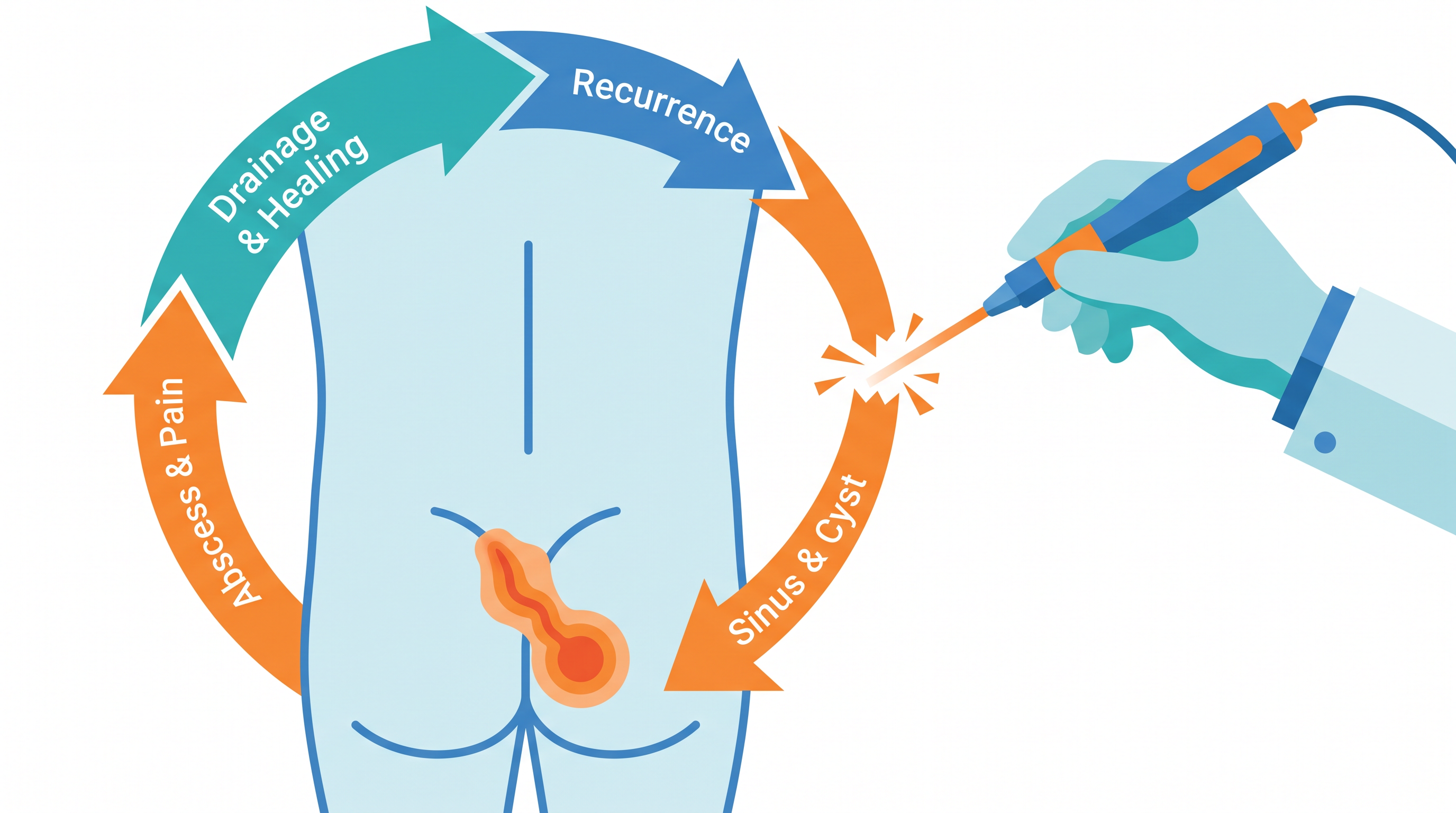
Before diving into the advanced treatments, let's briefly understand pilonidal sinus. It's a small hole or tunnel in the skin, usually at the top of the buttocks, near the tailbone. It often contains hair and skin debris, which can become infected, leading to abscesses, pain, and discharge. While the exact cause isn't always clear, it's believed to be related to hair piercing the skin and causing an inflammatory reaction.
The Dawn of Minimally Invasive Laser Treatment
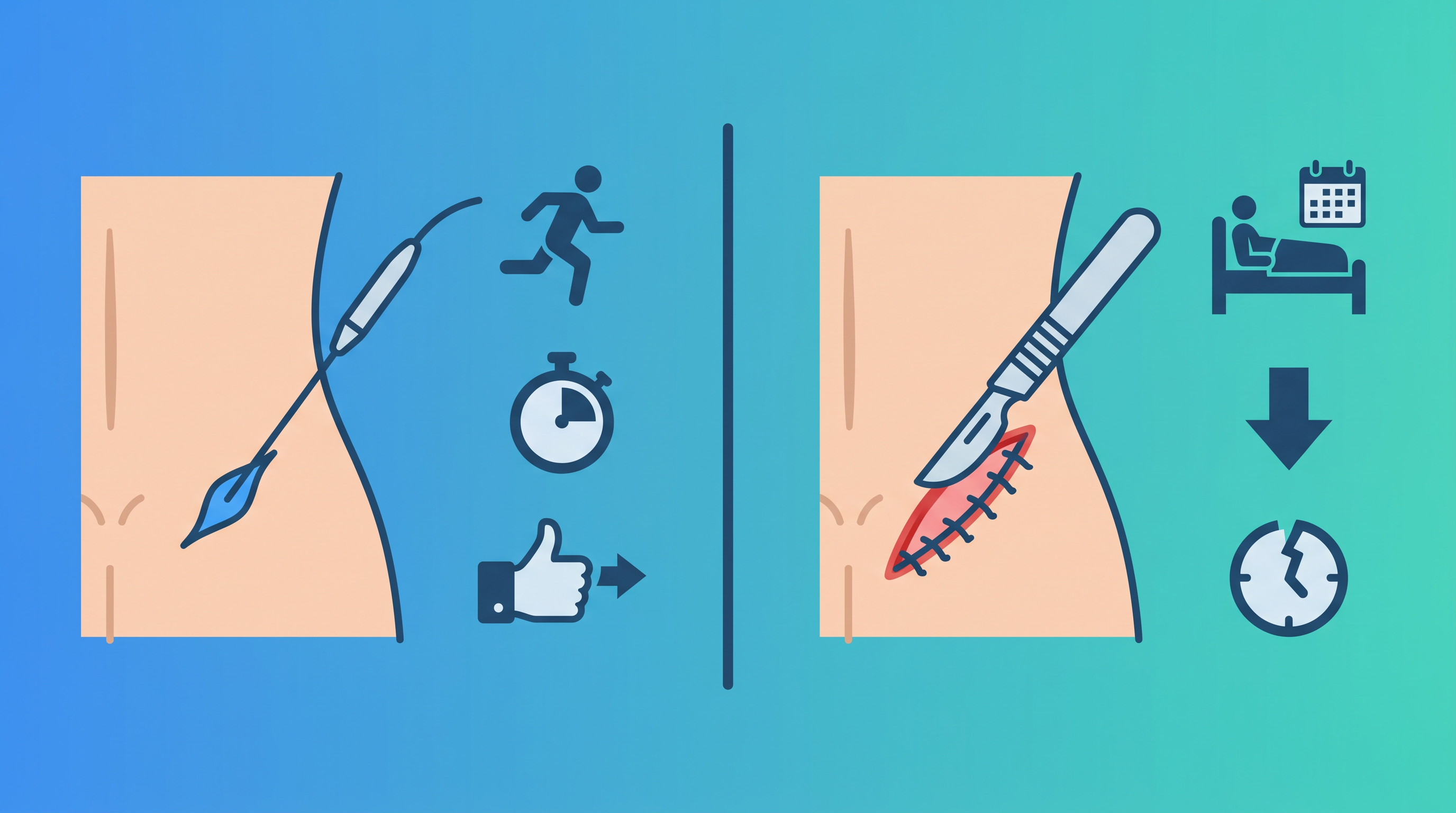
The goal of modern pilonidal sinus treatment is to effectively remove the diseased tissue while minimizing trauma to the surrounding healthy tissue. This is where advanced laser technology truly shines. Unlike traditional open surgeries, laser procedures involve tiny incisions or no incisions at all, leading to less pain, reduced scarring, and a faster return to daily activities.
FiLaC (Fistula-tract Laser Closure) Technology
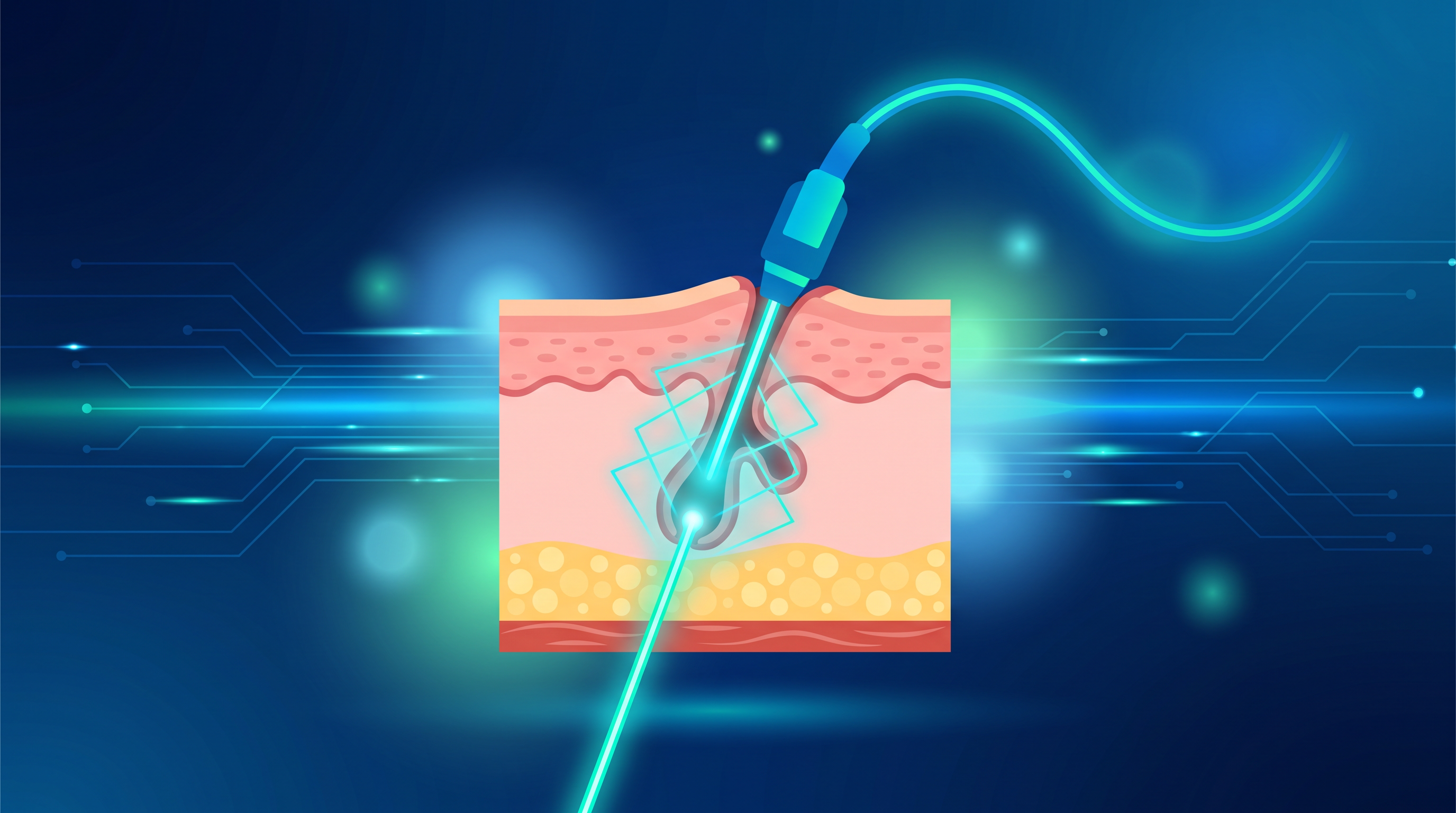
FiLaC, or Fistula-tract Laser Closure, is a remarkable technique that utilizes a radial emitting laser fiber. This fiber is carefully inserted into the pilonidal sinus tract. The laser then delivers controlled energy to the walls of the sinus, causing the diseased tissue to shrink and close. The radial emission ensures uniform energy distribution, effectively destroying the pathological lining without damaging the surrounding healthy tissue.
How it works: A thin laser probe is guided into the sinus tract. The laser energy causes photothermal destruction of the epithelial lining and granulation tissue, leading to fibrosis and closure of the tract. The precision of FiLaC allows for targeted treatment, preserving the healthy skin and tissue around the sinus.
SiLaC (Sinus Laser-assisted Closure) Technology
SiLaC, or Sinus Laser-assisted Closure, is another innovative laser treatment that has shown excellent results in pilonidal sinus management. Similar to FiLaC, SiLaC involves the use of a specialized laser fiber to ablate and seal the pilonidal tract from the inside. This technique is particularly effective for complex or recurrent pilonidal sinuses.
How it works: After thoroughly cleaning the sinus tract, a laser fiber is introduced. The laser emits energy that obliterates the sinus cavity, promoting healing and preventing recurrence. The controlled energy delivery minimizes tissue damage and reduces post-operative discomfort.
Diode Laser Technology
Diode lasers are versatile tools in modern surgery, and their application in pilonidal sinus treatment is particularly noteworthy. These lasers can be used for various aspects of the procedure, including precise tissue cutting, coagulation, and ablation. The 1470 nm diode laser, for instance, is highly effective in vaporizing the diseased tissue within the sinus tract.
How it works: Diode lasers offer precise control over energy delivery, allowing surgeons to target and remove infected tissue with minimal bleeding. They can be used to create small openings, remove hair and debris, and then ablate the sinus lining, promoting a clean and healthy healing environment.
Dr. Adarsh M Patil's Advanced Approach
What truly sets Dr. Adarsh M Patil's approach apart is his comprehensive understanding and skillful application of these advanced laser technologies. His 25+ years of experience in surgical practice, combined with his dedication to staying abreast of the latest medical advancements, allow him to tailor the most effective treatment plan for each patient.
Dr. Patil's advanced approach involves:
- Precise Diagnosis: Utilizing his extensive experience to accurately diagnose the extent and complexity of the pilonidal sinus.
- Personalized Treatment Plans: Selecting the most appropriate laser technology (FiLaC, SiLaC, or diode laser) based on the individual patient's condition, ensuring optimal outcomes.
- Minimally Invasive Techniques: Performing these procedures with utmost precision, minimizing pain, scarring, and recovery time.
- Patient-Centric Care: Providing empathetic and clear communication throughout the treatment journey, ensuring patients are well-informed and comfortable.
- Focus on Long-Term Results: Aiming not just for immediate relief but also for long-term healing and prevention of recurrence.
Clinical Outcomes and Patient Benefits
The clinical outcomes achieved with advanced laser technology for pilonidal sinus treatment are highly encouraging. Patients often experience:
- Reduced Pain: Significantly less post-operative pain compared to traditional surgery.
- Faster Recovery: Quicker return to normal activities, often within a few days.
- Minimal Scarring: Smaller incisions or no incisions lead to improved cosmetic results.
- Lower Recurrence Rates: When performed by experienced specialists like Dr. Patil, these techniques offer excellent long-term success rates.
- Outpatient Procedure: Many laser treatments can be performed on an outpatient basis, allowing patients to return home the same day.
Practical Patient-Focused Advice
If you are considering laser treatment for pilonidal sinus, here's some practical advice:
- Seek Expert Consultation: Always consult with a specialist like Dr. Adarsh M Patil who has extensive experience in laser pilonidal sinus treatment. Their expertise is crucial for a successful outcome.
- Understand Your Options: Discuss all available treatment options with your doctor and understand why a particular laser technique is recommended for your specific case.
- Follow Pre- and Post-Operative Instructions: Adhering to your doctor's guidance before and after the procedure is vital for optimal healing and to prevent complications.
- Maintain Good Hygiene: Keeping the area clean and free of hair can help prevent recurrence.
- Be Patient with Healing: While recovery is faster, complete healing takes time. Follow-up appointments are important to monitor your progress.
Conclusion
Advanced laser technology, including FiLaC, SiLaC, and diode lasers, has transformed the landscape of pilonidal sinus treatment. These minimally invasive techniques offer a beacon of hope for patients seeking effective solutions with less pain and quicker recovery. With specialists like Dr. Adarsh M Patil leading the way in Bangalore, patients can access world-class care and achieve lasting relief from pilonidal sinus disease.
Ready to Explore Your Treatment Options?
If you are suffering from pilonidal sinus and are looking for an advanced, minimally invasive treatment, don't hesitate to reach out. Schedule a consultation with Dr. Adarsh M Patil to discuss how advanced laser technology can provide you with a lasting solution. Your comfort and well-being are his priority.