Pilonidal Sinus Treatment Without Surgery: Exploring Your Alternative Options
If you have recently been diagnosed with a pilonidal sinus, or if you are currently dealing with the painful flare-up of a pilonidal cyst, you are likely searching for any possible way to find relief. The throbbing pain at the tailbone can make sitting, driving, and even sleeping feel incredibly uncomfortable. Naturally, one of the first questions many patients ask is about pilonidal sinus treatment without surgery.
The thought of undergoing an operation can be daunting. You might be worried about the recovery time, the pain, or taking time off from work or studies. As a medical content writer working closely with Dr. Adarsh M Patil, a highly respected pilonidal sinus specialist in Bangalore with over 25 years of experience, I want to provide you with an honest, comprehensive look at your options.
While surgery is often considered the most definitive cure for a pilonidal sinus, there are several non-surgical, conservative treatments available. When exploring non-surgical pilonidal cyst treatment, these alternatives can be highly effective for managing symptoms, treating acute infections, and providing temporary relief. Let's explore what these options entail, when they are appropriate, and what their limitations truly are.
Understanding Conservative Management
When we talk about treating a pilonidal sinus without surgery, we are generally referring to "conservative management." The primary goal of this approach is not necessarily to cure the underlying condition—which involves a small tunnel or cavity under the skin—but rather to control the infection, reduce inflammation, and alleviate your pain.
This approach to conservative pilonidal treatment is often the first line of defense, especially if this is your very first time experiencing a pilonidal flare-up and the symptoms are relatively mild.
Effective Non-Surgical Treatment Options
If you and your doctor decide to pursue a non-surgical route, your treatment plan will likely include a combination of the following methods:
1. Antibiotic Therapy
When a pilonidal cyst becomes infected, it can swell, turn red, and become excruciatingly painful. In these cases, antibiotics are frequently prescribed. Broad-spectrum antibiotics can help clear up the surrounding skin infection (cellulitis) and reduce inflammation.
However, when considering pilonidal sinus antibiotics, it is crucial to understand a key limitation: antibiotics alone cannot penetrate the wall of an abscess effectively, nor can they dissolve the hair and debris trapped inside the sinus tract. They are excellent for calming an acute infection, but they are not a permanent cure.
2. Incision and Drainage (I&D)
If you have a painful, pus-filled abscess, antibiotics won't be enough to provide immediate relief. In this scenario, a minor clinic procedure known as Incision and Drainage (I&D) is often performed.
While technically a procedure, it is not the full excision surgery that patients typically fear. During an I&D, the doctor will numb the area with a local anesthetic, make a small cut to drain the pus, and clean out the cavity. The relief from the intense pressure and pain is usually immediate. However, because the sinus tract itself is left behind, there is a significant chance that the cyst will return in the future.
3. Sitz Baths and Warm Compresses
For mild discomfort or after an I&D, your doctor may recommend sitz baths. A sitz bath involves sitting in a shallow tub of warm water for 15 to 20 minutes, several times a day. The warm water helps to soothe the irritated area, reduce pain, and promote natural drainage of the cyst.
Alternatively, applying a warm, damp compress to the tailbone area can also draw out the infection and provide soothing relief.
4. Pain Management
Over-the-counter pain relievers, such as ibuprofen or acetaminophen, can be very helpful in managing the throbbing pain associated with a pilonidal flare-up. Anti-inflammatory medications not only help with the pain but also reduce the swelling around the cyst.
5. Meticulous Hygiene and Hair Removal
Since pilonidal sinuses are primarily caused by loose hairs penetrating the skin, keeping the area completely free of hair is a critical component of non-surgical management.
Regular shaving, using depilatory creams, or investing in laser hair removal for the lower back and cleft area can significantly reduce the risk of future flare-ups. Additionally, keeping the area clean and dry, and avoiding prolonged periods of sitting, can help prevent the condition from worsening.
6. Lifestyle Modifications and Posture Adjustments
Beyond medical treatments and hygiene, adjusting your daily habits can play a significant role in managing a pilonidal sinus without surgery. Prolonged sitting puts direct pressure on the tailbone, which can aggravate an existing cyst or encourage hair to embed further into the skin.
If your job requires you to sit at a desk for hours, consider investing in a coccyx cushion (a specialized pillow with a cutout at the back) to relieve pressure on the lower spine. Additionally, make it a habit to stand up, stretch, and walk around for a few minutes every hour. Wearing loose-fitting, breathable cotton underwear and avoiding tight clothing can also reduce friction and sweat accumulation in the cleft area, creating a less favorable environment for infections to develop.
The Honest Truth: Limitations of Non-Surgical Treatments
While the conservative options listed above can provide excellent short-term relief, it is important to have an honest assessment of their limitations.
A pilonidal sinus is essentially a structural problem—a small tunnel beneath the skin that acts as a trap for hair, dead skin cells, and bacteria. Non-surgical treatments address the symptoms (the infection and the pain) but they do not remove the source of the problem (the sinus tract itself).
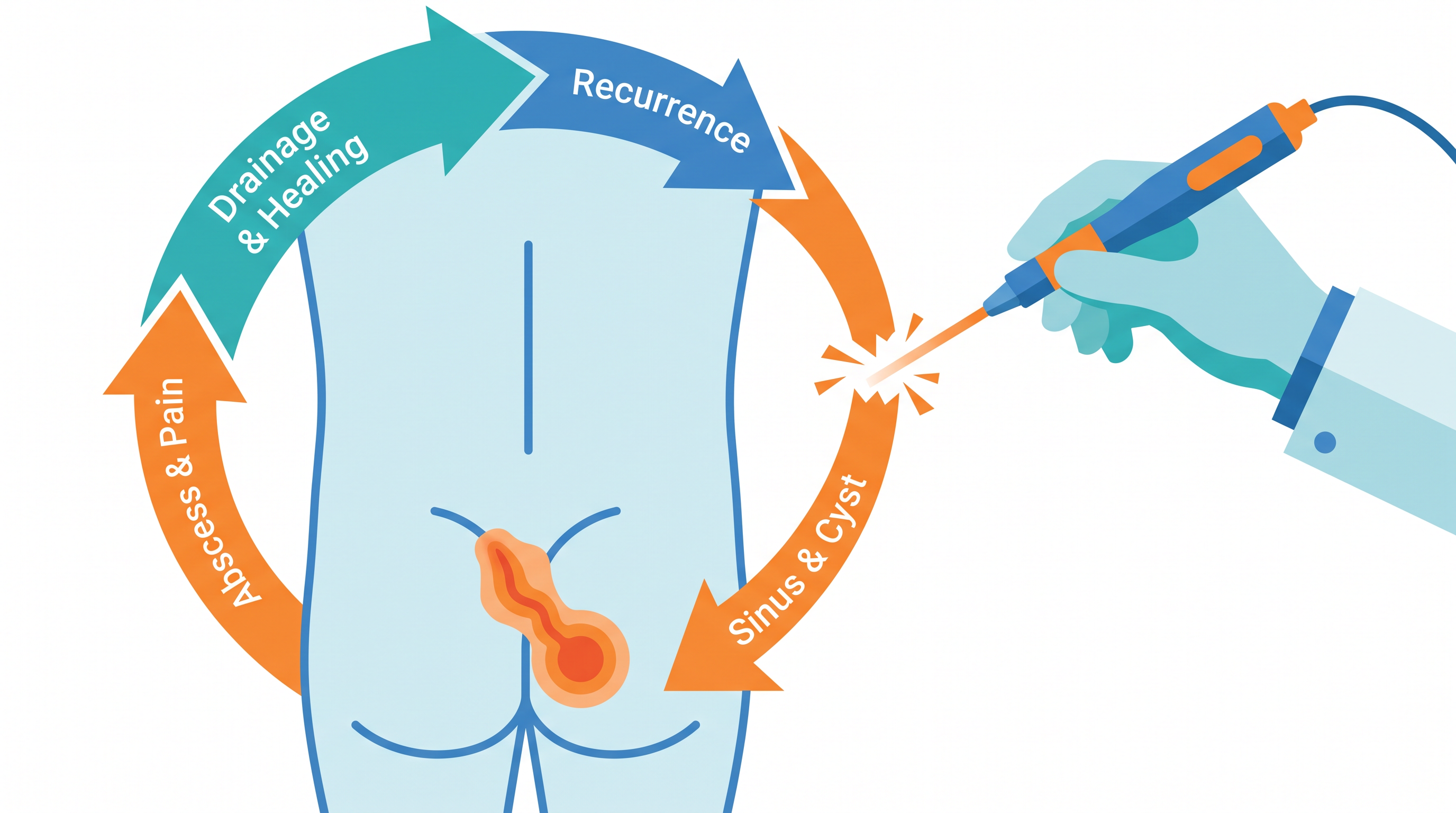
Because the tract remains intact, the recurrence rate for patients who only undergo conservative treatment is quite high. Many patients find themselves trapped in a frustrating cycle of flare-ups, repeated courses of antibiotics, and multiple drainage procedures.
When is Non-Surgical Treatment Appropriate?
Conservative management is not wrong; in fact, it is highly appropriate in specific situations:
- First-Time Flare-Ups: If this is your first experience with a pilonidal cyst and it is relatively small, conservative treatment is a reasonable starting point.
- Mild Symptoms: If the cyst is not infected and is only causing mild discomfort, hygiene and hair removal might be enough to keep it at bay.
- Delaying Surgery: If you have an important life event, exams, or work commitments that prevent you from taking time off for surgical recovery, non-surgical methods can help manage the condition until you are ready for a permanent fix.
When is Surgery Absolutely Necessary?
Despite our best efforts with conservative care, there comes a point where surgery becomes the most logical and effective step. You should strongly consider surgical intervention if:
- You are experiencing chronic, recurring infections that disrupt your life.
- You have developed multiple sinus tracts or complex pits in the cleft.
- The pain is severe enough to impact your daily activities, such as sitting or walking.
- You have undergone multiple Incision and Drainage procedures without lasting success.
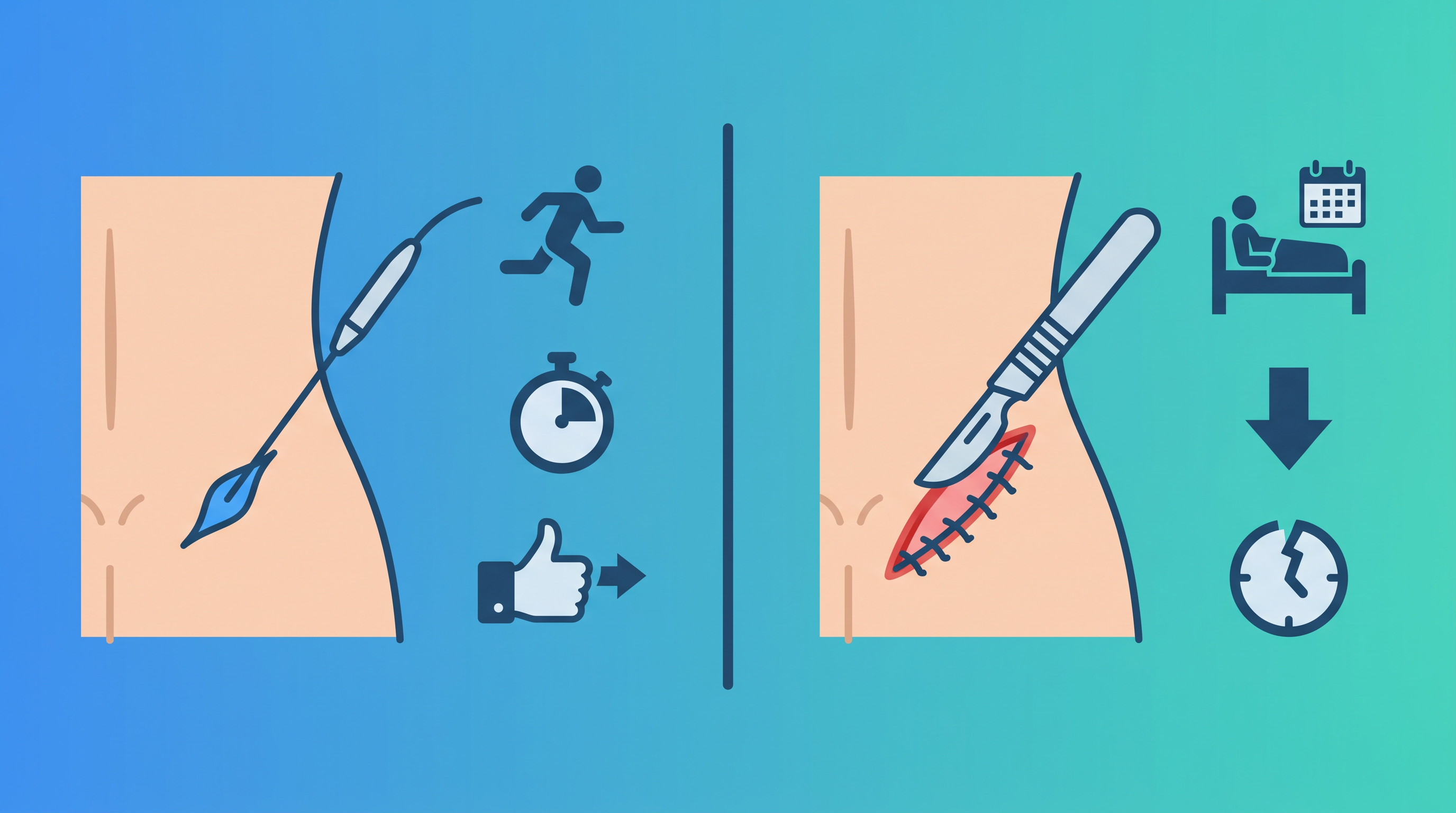
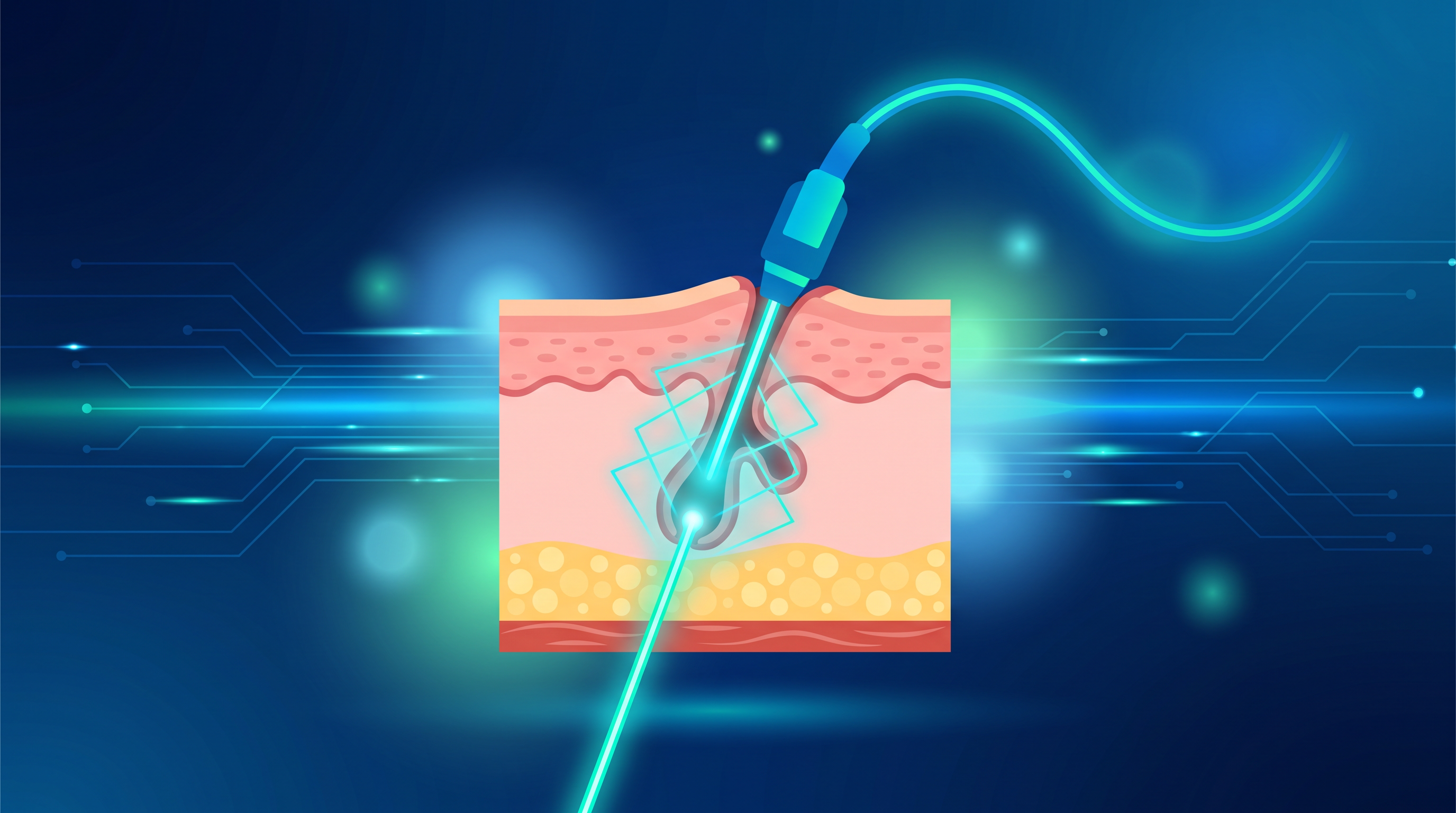
Today, surgical options have advanced significantly. Minimally invasive techniques, such as laser ablation or specialized flap surgeries, offer faster recovery times and lower recurrence rates compared to traditional open surgeries.
Expert Care with Dr. Adarsh M Patil
Navigating the choice between conservative management and surgery requires expert guidance. Dr. Adarsh M Patil (KMC Reg: 53728, MS FMAS) brings over 25 years of surgical experience to his practice in Bangalore. He understands that every patient's situation is unique.
When you consult with Dr. Patil, he will carefully evaluate the severity of your pilonidal sinus. He believes in a patient-first approach, meaning he will never rush you into surgery if conservative options are viable. However, if surgery is the best path to a permanent cure, his extensive expertise ensures you receive the most advanced, minimally invasive care possible.
Take the Next Step Towards Relief
Living with the unpredictable pain of a pilonidal sinus can be exhausting. You don't have to manage this condition alone, and you certainly don't have to live in fear of your next flare-up.
Whether you are looking for effective non-surgical management or are ready to discuss permanent surgical solutions, expert help is available. Book a consultation with Dr. Adarsh M Patil today to receive a comprehensive evaluation and a personalized treatment plan designed to get you back to living your life comfortably and confidently.