Hair Removal for Pilonidal Sinus: Permanent Solutions for Lasting Relief
Living with a pilonidal sinus can be incredibly challenging, often bringing discomfort, pain, and anxiety. If you've experienced this condition, you know the relief that comes with successful treatment. But what if there was a way to significantly reduce the chances of it coming back, or even prevent it from occurring in the first place? One crucial, yet often overlooked, aspect of both prevention and post-treatment care for pilonidal sinus is effective hair removal.
At first glance, it might seem like a minor detail, but the role of hair in the development and recurrence of pilonidal sinus is profound. Understanding this connection is the first step towards lasting relief. Let's delve into why hair removal is so important and explore the best methods to keep this condition at bay.
Understanding Pilonidal Sinus: The Role of Hair
A pilonidal sinus is a small tunnel or tract in the skin, typically located at the top of the buttock crease, near the tailbone. It often contains hair, skin debris, and can become infected, leading to painful abscesses or chronic drainage. The term "pilonidal" literally means "nest of hair," which perfectly describes its primary cause.
Imagine loose hairs, shed from the scalp or body, migrating into the deep cleft between the buttocks. Due to friction, pressure, and the natural movement of the body, these hairs can burrow into the skin, creating a tiny opening. Once inside, the body treats these hairs as foreign objects, triggering an inflammatory response. This can lead to the formation of a cyst or abscess, which is the painful reality of a pilonidal sinus.
This is why Dr. Adarsh M Patil, a renowned pilonidal sinus specialist in Bangalore with 25+ years of experience (KMC Reg: 53728, MS FMAS), consistently emphasizes the importance of managing hair in the affected region. His extensive experience has shown that hair is not just a symptom but a significant contributing factor to both the onset and recurrence of this condition.
The Role of Hair Removal in Prevention and Post-Treatment Care
For individuals prone to pilonidal sinus or those who have already undergone treatment, keeping the area free of hair is paramount. Here's why:
- Prevention: By removing hair, you eliminate the primary irritant that can burrow into the skin and initiate the sinus formation. This is especially crucial for individuals with coarse body hair or those whose occupations involve prolonged sitting.
- Reduced Recurrence: After surgery, the goal is to prevent the sinus from returning. Even with successful excision, if hair continues to accumulate in the gluteal cleft, the risk of a new sinus forming remains high. Consistent hair removal creates an environment less conducive to recurrence, promoting better healing and long-term success.
- Improved Hygiene: A hair-free area is easier to keep clean, reducing the build-up of sweat, bacteria, and debris that can contribute to infection.
Hair Removal Methods: Which One is Right for You?
Choosing the right hair removal method is a personal decision, but for pilonidal sinus management, some methods are far more effective and safer than others. Let's explore the common options:
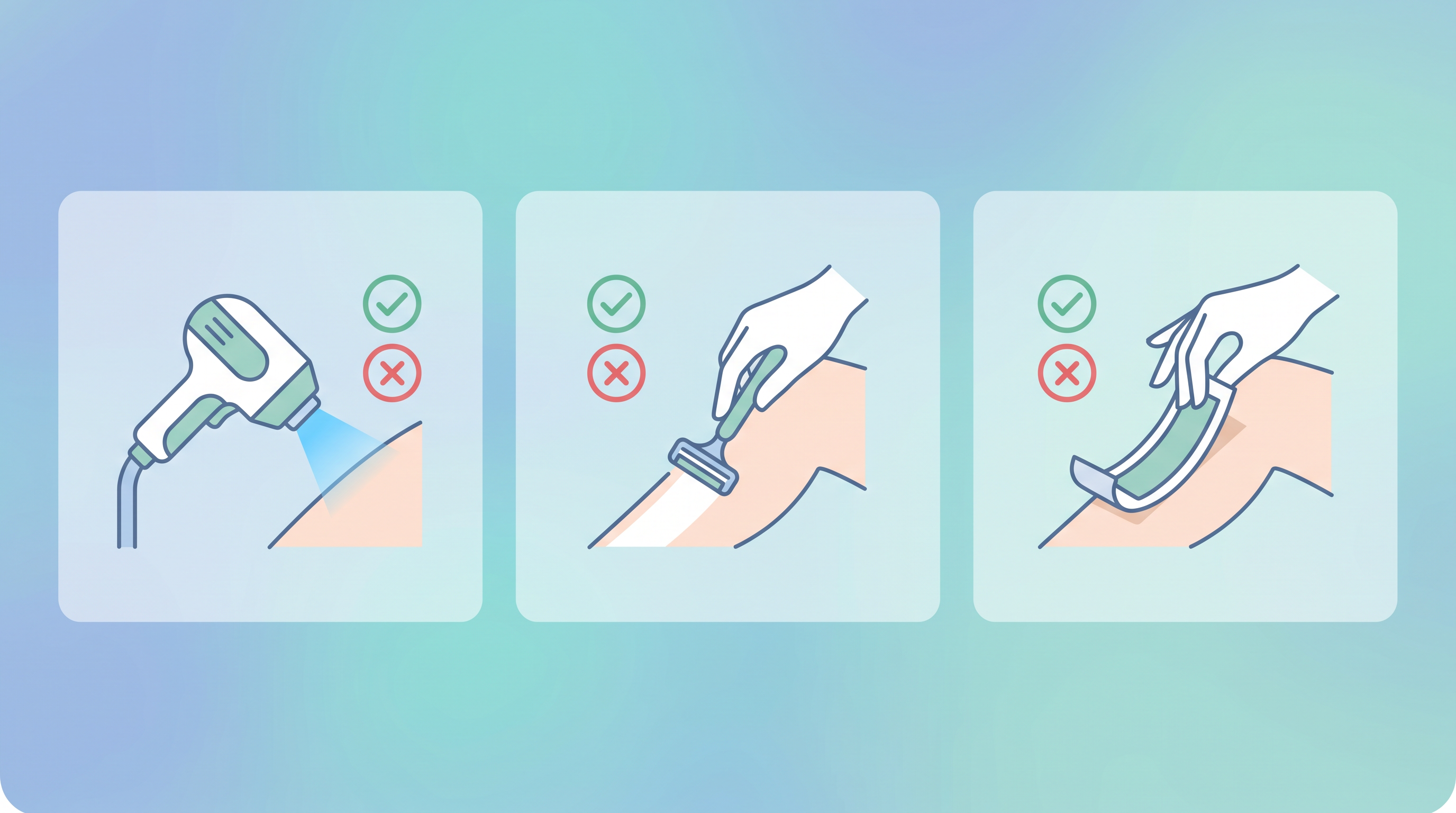
1. Laser Hair Removal
How it works: Laser hair removal uses concentrated light beams to target and destroy hair follicles. The pigment in the hair absorbs the light, which then damages the follicle, inhibiting future hair growth.
Pros: Often considered a permanent reduction in hair growth. It's precise, can treat large areas quickly, and significantly reduces ingrown hairs. For pilonidal sinus, it's highly recommended by specialists like Dr. Patil due to its long-term effectiveness in keeping the area clear.
Cons: Requires multiple sessions (typically 6-8) for optimal results. Can be costly. Not effective on very light-colored hair (blonde, grey, white) as it targets pigment. Some discomfort during sessions.
Frequency: Initial sessions are usually 4-6 weeks apart. Maintenance sessions might be needed once or twice a year.
2. IPL (Intense Pulsed Light)
How it works: Similar to laser, IPL uses broad-spectrum light pulses to target hair follicles. It's less focused than laser but works on a similar principle of light absorption by hair pigment.
Pros: Can be done at home with devices, potentially more affordable than professional laser. Effective for reducing hair growth over time.
Cons: Generally less powerful and effective than professional laser treatments. Requires more sessions and results may not be as long-lasting. Not suitable for all skin tones and hair colors.
Frequency: More frequent initial sessions (2-4 weeks apart) and regular maintenance.
3. Shaving
How it works: A razor cuts hair at the skin's surface.
Pros: Quick, inexpensive, and convenient.
Cons: Hair grows back quickly, often within a day or two. Can cause razor burn, nicks, and most importantly, leaves sharp hair ends that can easily re-burrow into the skin, increasing the risk of pilonidal sinus recurrence. This is generally not recommended for long-term pilonidal sinus management.
Frequency: Daily or every other day.
4. Waxing
How it works: Warm wax is applied to the skin and then quickly pulled off, removing hair from the root.
Pros: Provides smoother skin for a longer period (weeks) compared to shaving. Hair grows back softer.
Cons: Can be painful. Risk of ingrown hairs, skin irritation, and folliculitis (inflammation of hair follicles), which can mimic or exacerbate pilonidal symptoms. Not ideal for sensitive skin or areas prone to infection.
Frequency: Every 3-6 weeks.
5. Depilatory Creams
How it works: Chemical creams dissolve hair just below the skin's surface.
Pros: Painless and relatively quick. Provides smooth skin for a few days.
Cons: Can cause skin irritation, allergic reactions, and chemical burns, especially in sensitive areas. The chemicals can be harsh. Like shaving, hair grows back relatively quickly, and the blunt ends can still pose a risk.
Frequency: Weekly or bi-weekly.
Which Method Works Best for Pilonidal Sinus?
Considering the unique challenges of pilonidal sinus, laser hair removal stands out as the most effective and recommended method for long-term management. Its ability to permanently reduce hair growth minimizes the core problem – hair burrowing into the skin. IPL can be a viable alternative, though often less potent.
Dr. Adarsh M Patil often advises his patients that while temporary methods like shaving or depilatory creams offer immediate relief, they do not address the root cause and can even worsen the situation by creating sharp hair ends. Waxing, while removing hair from the root, carries a significant risk of skin irritation and ingrown hairs, which can be particularly problematic in the gluteal cleft.
Practical Patient-Focused Advice
If you're considering hair removal for pilonidal sinus, here are some practical tips:
- Consult a Specialist: Before starting any hair removal regimen, especially if you have an active pilonidal sinus or are recovering from surgery, consult with a specialist like Dr. Adarsh M Patil. He can provide personalized advice based on your specific condition and skin type.
- Professional Laser/IPL: For the most effective and safest results, especially for laser hair removal, seek treatment from a qualified and experienced professional clinic.
- Skin Preparation: Keep the area clean and exfoliated (gently!) to prevent ingrown hairs, regardless of the method chosen.
- Patch Test: If using depilatory creams, always perform a patch test on a small area of skin first to check for allergic reactions.
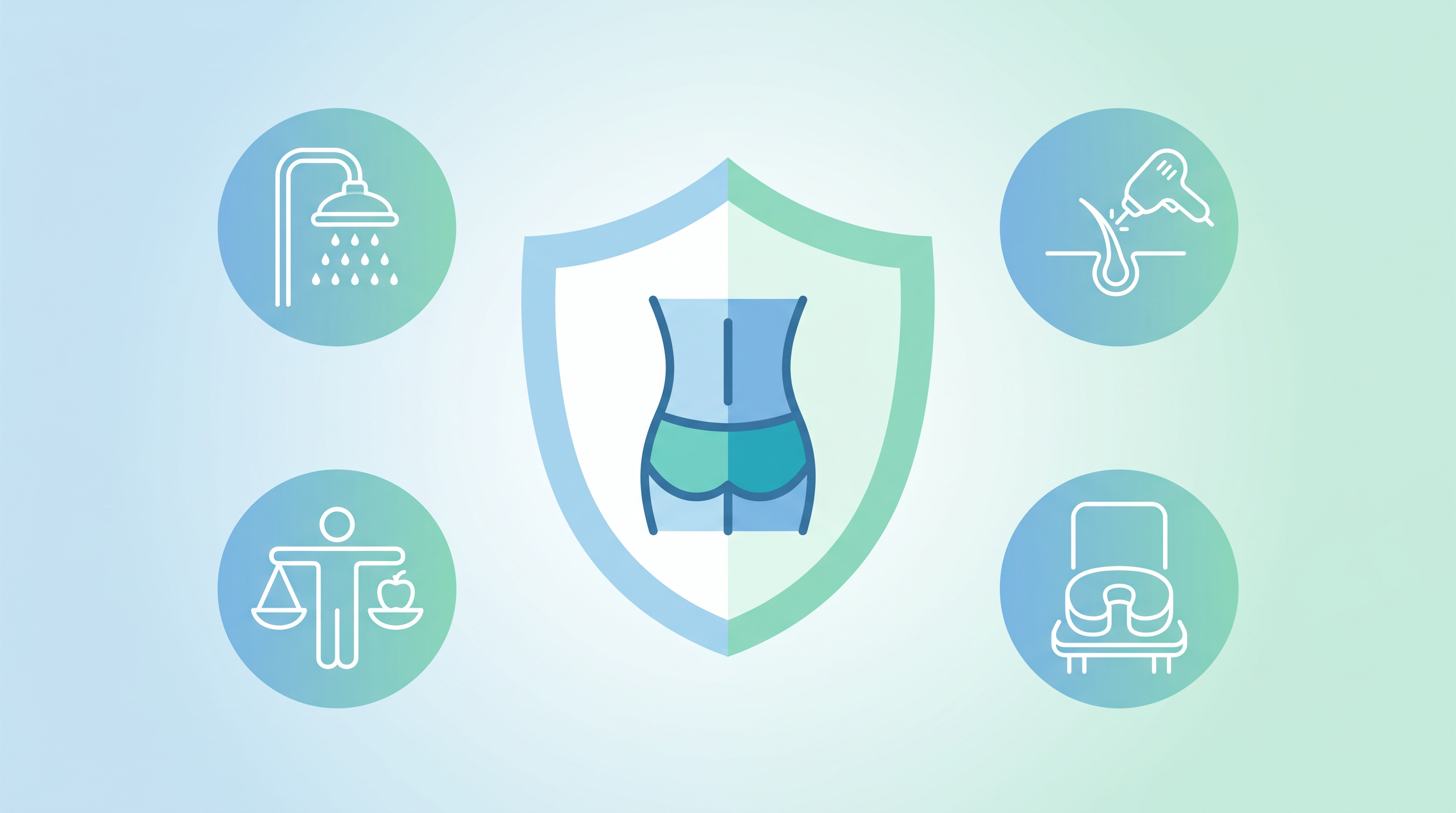
- Hygiene is Key: Maintain excellent hygiene in the gluteal cleft. Shower daily, especially after sweating or exercise, and ensure the area is thoroughly dried.
Conclusion: Taking Control of Your Health
Pilonidal sinus can be a persistent and painful condition, but proactive management, including appropriate hair removal, can make a significant difference. By understanding how hair contributes to the problem and choosing effective methods like laser hair removal, you can dramatically reduce your risk of recurrence and enjoy a better quality of life.
Dr. Adarsh M Patil's extensive experience underscores the importance of a holistic approach to pilonidal sinus care, where managing hair is a cornerstone of long-term success. Don't let this condition dictate your comfort and well-being.
Ready to Discuss Your Pilonidal Sinus Treatment and Prevention Options?
If you're struggling with pilonidal sinus or want to explore the best prevention strategies, including advanced hair removal techniques, don't hesitate to seek expert guidance. Contact Dr. Adarsh M Patil, a leading pilonidal sinus specialist in Bangalore, for a comprehensive consultation. With 25+ years of experience, KMC Reg: 53728, MS FMAS, he can provide the personalized care and effective solutions you need for lasting relief. Visit his clinic or website to schedule your appointment today.