The Future of Pilonidal Sinus Care: Embracing Minimally Invasive Treatments
Understanding Pilonidal Sinus Disease
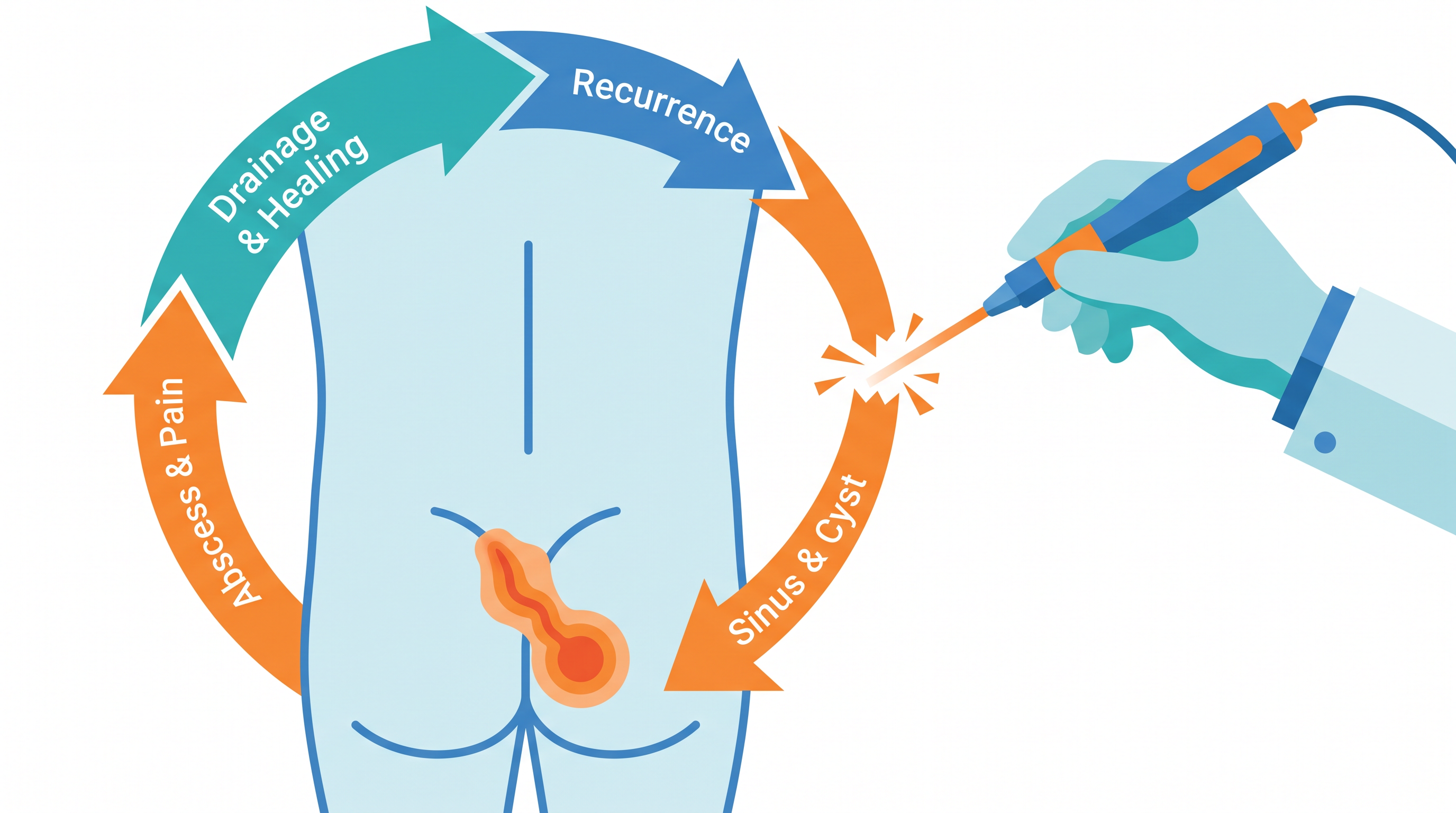
Pilonidal sinus disease is a common, often painful condition affecting the skin in the cleft of the buttocks. It typically begins as a small hole or "pit" in the skin, which can become infected, leading to abscesses, pain, swelling, and discharge. For many years, the standard treatment involved extensive surgical procedures, often requiring significant recovery time and leaving large wounds.
If you've been diagnosed with a pilonidal sinus, the thought of surgery can be daunting. You might be worried about pain, a long recovery, or the possibility of recurrence. This is where the landscape of pilonidal sinus treatment has dramatically evolved, offering hope and better outcomes through minimally invasive techniques.
The Shift Towards Minimally Invasive Approaches
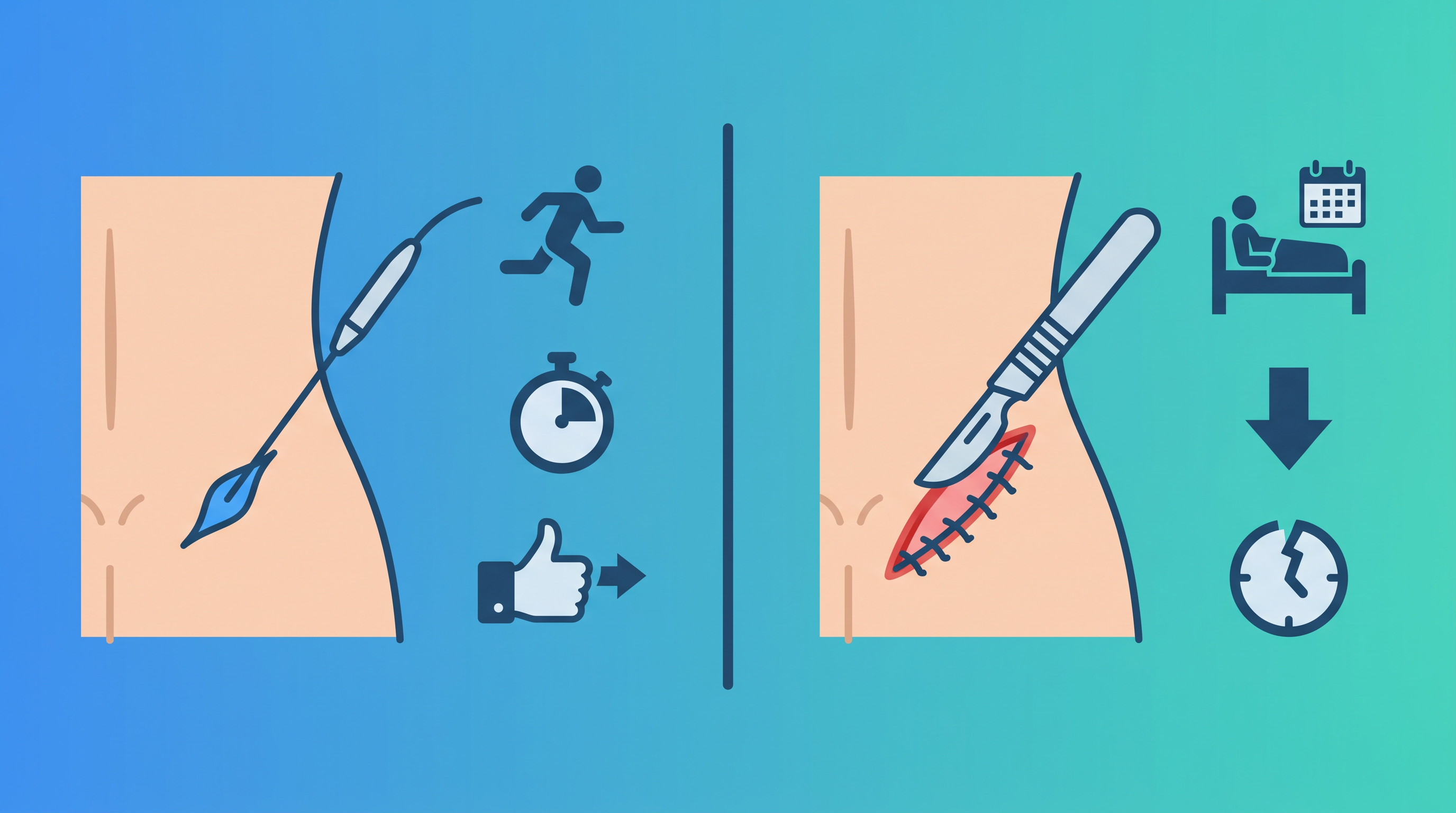
Traditional surgical methods for pilonidal sinus, such as wide excision with open healing or various flap procedures (like the Karydakis flap or Bascom flap), have been effective in removing the diseased tissue. However, they often come with drawbacks: larger incisions, prolonged wound care, significant post-operative pain, and extended time away from daily activities. While these methods still have their place, especially for very complex or recurrent cases, the future of pilonidal sinus care is undoubtedly minimally invasive.
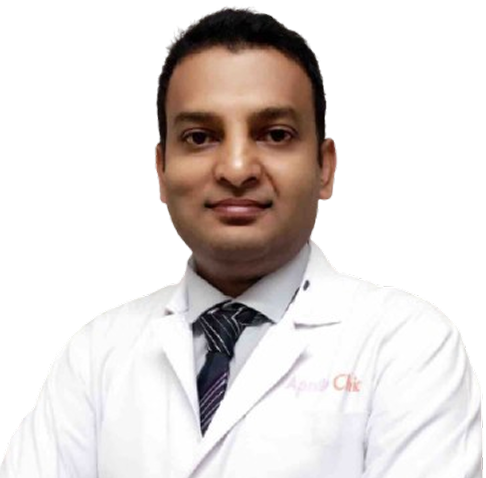
These advanced techniques aim to achieve the same goal – eliminating the sinus – but with smaller incisions, less tissue removal, reduced pain, faster recovery, and often, superior cosmetic results. Dr. Adarsh M Patil, with his 25+ years of experience and KMC Reg: 53728, MS FMAS, has been at the forefront of adopting and mastering these modern approaches, ensuring his patients in Bangalore receive the most advanced and compassionate care available.
Pioneering Minimally Invasive Treatments
Let's explore some of the cutting-edge minimally invasive treatments that are transforming pilonidal sinus care:
1. FiLaC (Fistula-tract Laser Closure)
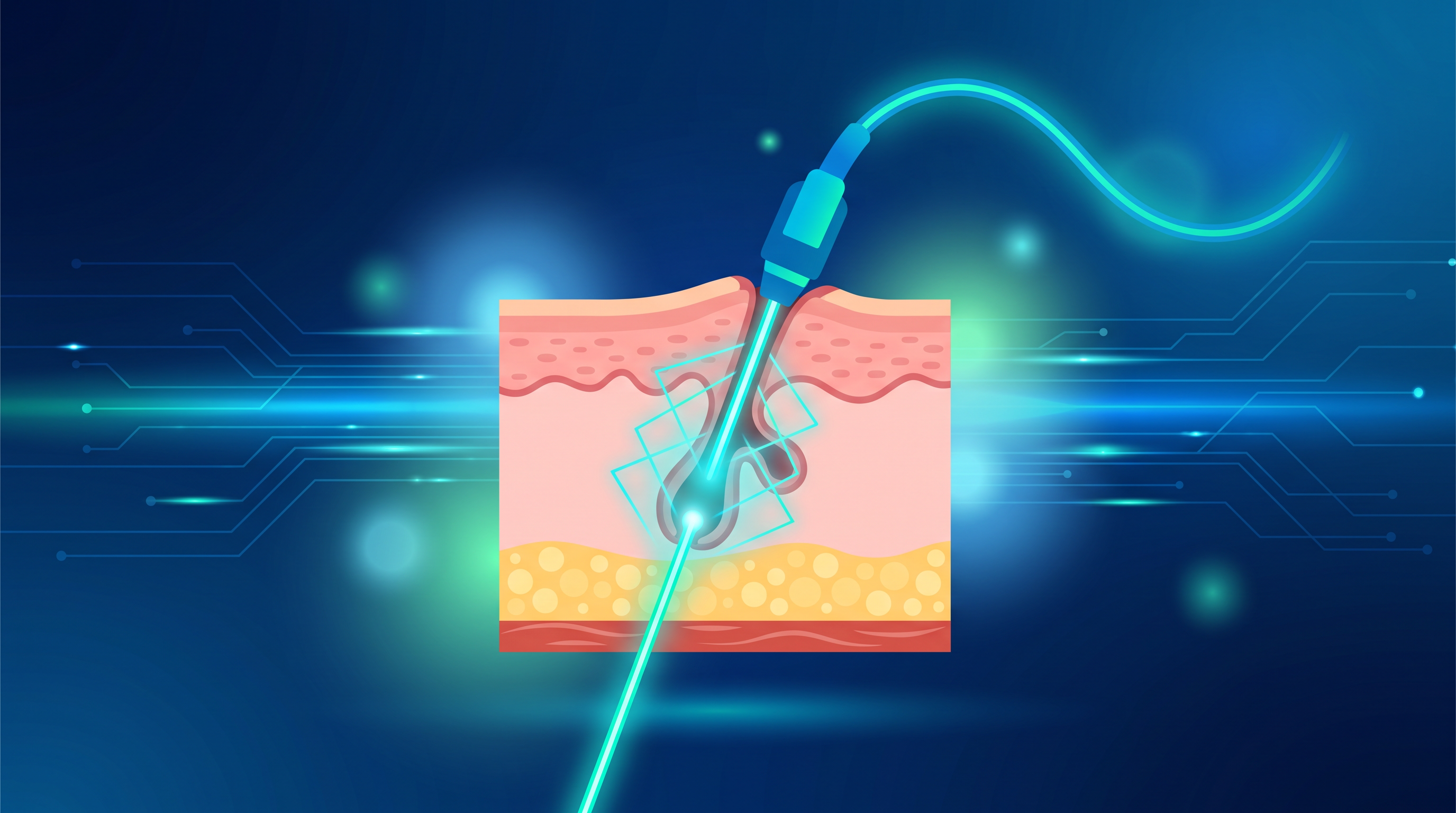
FiLaC is a revolutionary laser-based technique primarily used for anal fistulas but adapted for pilonidal sinuses. It involves inserting a thin laser fiber into the sinus tract. The laser energy precisely ablates and closes the tract from the inside, destroying the epithelial lining and promoting healing. The key advantages include:
- Minimal tissue damage: Only the diseased tract is targeted.
- Quick procedure: Often performed as a day-care procedure.
- Rapid recovery: Patients can typically return to normal activities much faster than with traditional surgery.
- Excellent cosmetic outcome: No large scars.
2. SiLaC (Sinus Laser Closure)
Similar to FiLaC, SiLaC is specifically designed for pilonidal sinuses. A radial emitting laser fiber is introduced into the sinus tract, and controlled laser energy is delivered to destroy the sinus lining and shrink the tract. This technique is gaining popularity due to:
- High success rates: Effective in closing the sinus.
- Reduced pain: Significantly less post-operative discomfort.
- Shorter hospital stay: Often an outpatient procedure.
- Preservation of healthy tissue: Minimizes disruption to surrounding areas.
3. EPSIT (Endoscopic Pilonidal Sinus Treatment)
EPSIT is an endoscopic technique that allows surgeons to visualize and treat the pilonidal sinus from the inside. A small endoscope is inserted through the sinus opening, enabling the surgeon to thoroughly clean out hair and debris, and then use specialized instruments to ablate or excise the diseased tissue. The benefits of EPSIT include:
- Direct visualization: Allows for precise treatment under direct vision.
- Thorough cleaning: Ensures all hair and infected material are removed.
- Small incisions: Minimizes scarring and promotes faster healing.
- Lower recurrence rates: Due to comprehensive cleaning and treatment.
4. Endoscopic Approaches (General)
Beyond EPSIT, other endoscopic variations are emerging, all sharing the common principle of using a small camera and instruments to treat the sinus internally. These methods represent a significant leap forward, moving away from large excisions to targeted, precise interventions. They offer:
- Precision: Targeted removal of diseased tissue.
- Reduced trauma: Less impact on surrounding healthy tissue.
- Enhanced recovery: Patients experience less pain and a quicker return to their lives.
How These Techniques Differ from Traditional Surgery
The fundamental difference lies in the philosophy of treatment. Traditional surgery often involves excising a large block of tissue, aiming to remove the entire affected area. While effective, this can be overly aggressive for many patients.
Minimally invasive techniques, on the other hand, focus on preserving healthy tissue while effectively treating the diseased sinus. They leverage advanced technology – lasers and endoscopes – to achieve this with minimal disruption. This translates to:
- Smaller wounds: Leading to less pain and faster healing.
- Less scarring: Better cosmetic outcomes.
- Reduced risk of complications: Such as wound infections or delayed healing.
- Quicker return to work and daily activities: A significant advantage for patients.
Dr. Adarsh M Patil's extensive experience in general and laparoscopic surgery, combined with his dedication to adopting the latest medical advancements, makes him a leading expert in these minimally invasive pilonidal sinus treatments. His approach prioritizes patient comfort, rapid recovery, and long-term success.
Why Minimally Invasive Treatments Represent the Modern Standard of Care
The shift to minimally invasive treatments isn't just about convenience; it's about providing superior patient care. The benefits are clear:
- Patient-Centric: Focuses on minimizing discomfort and maximizing quality of life during recovery.
- Technologically Advanced: Utilizes state-of-the-art equipment for precise and effective treatment.
- Evidence-Based: Growing body of research supports their efficacy and safety.
- Sustainable Outcomes: Aim for not just healing, but also reducing recurrence.
For anyone suffering from pilonidal sinus disease, understanding these modern options is crucial. They offer a path to recovery that is less arduous and more aligned with contemporary medical practices.
Practical Advice for Patients
If you suspect you have a pilonidal sinus or are considering treatment options:
- Seek Expert Consultation: It's vital to consult with a specialist who has extensive experience in pilonidal sinus management, particularly with minimally invasive techniques. Dr. Adarsh M Patil is a highly respected surgeon in Bangalore who can provide a thorough diagnosis and discuss the best treatment plan for your specific condition.
- Discuss All Options: Don't hesitate to ask about FiLaC, SiLaC, EPSIT, and other endoscopic approaches. Understand how they compare to traditional surgery in your case.
- Prepare for Recovery: Even with minimally invasive procedures, some recovery time is needed. Follow your surgeon's post-operative instructions diligently for optimal healing.
- Maintain Hygiene: Good hygiene in the gluteal cleft area is always important, especially after treatment, to help prevent recurrence.
- Follow-up: Attend all scheduled follow-up appointments to ensure proper healing and address any concerns.
Your Path to a Healthier Future
Pilonidal sinus disease can be a challenging condition, but with the advent of minimally invasive treatments, the future of care is brighter than ever. These techniques offer a less painful, faster, and more cosmetically appealing route to recovery.
Ready to explore the best treatment options for your pilonidal sinus? Contact Dr. Adarsh M Patil's clinic in Bangalore today to schedule a consultation. With his expertise and commitment to advanced care, you can take the first step towards a healthier, pain-free life. His team is dedicated to guiding you through every step of your treatment journey with compassion and professionalism.