
What is the Karydakis Flap Procedure?
The Karydakis procedure is a well-established surgical technique for treating pilonidal sinus disease, developed by Greek surgeon George Karydakis in the 1970s. It involves an asymmetric elliptical excision of the pilonidal sinus and surrounding tissue, followed by the creation of an advancement flap that moves the suture line away from the midline of the natal cleft.
The key insight behind the Karydakis procedure is that wounds placed in the midline of the natal cleft are under constant tension and in a moist environment, making them prone to breakdown and recurrence. By moving the closure off the midline, the Karydakis procedure creates a more favourable healing environment and achieves recurrence rates of less than 5% — significantly better than simple midline closure techniques.
How the Karydakis Procedure Works
The procedure begins with an asymmetric elliptical excision that removes the sinus and a margin of healthy tissue on one side of the midline. The deeper tissue is then mobilised to create an advancement flap, which is brought across the midline and sutured in place. This moves the entire wound to one side of the natal cleft, away from the pressure point at the midline.
The asymmetric design also reduces the depth of the natal cleft, which is a major contributing factor to pilonidal disease. A shallower cleft means less hair accumulation, less moisture, and less friction — all of which reduce the risk of recurrence.
Benefits of the Karydakis Flap
- Less than 5% recurrence rate in published studies
- Off-midline closure promotes faster, more reliable wound healing
- Reduces natal cleft depth to prevent future disease
- Well-established technique with decades of clinical evidence
- Suitable for primary and recurrent pilonidal sinus
- Relatively short recovery compared to other flap procedures
Step-by-Step Procedure
Anaesthesia
Performed under spinal or general anaesthesia for patient comfort.
Asymmetric Excision
An asymmetric elliptical incision is made, removing the sinus and a margin of tissue on one side of the midline.
Flap Mobilisation
The skin and subcutaneous tissue are mobilised to create an advancement flap.
Off-Midline Closure
The flap is advanced across the midline and sutured in place, moving the wound away from the pressure point.
Drain Placement
A suction drain is usually placed to prevent fluid accumulation and promote healing.
Dressing and Recovery
A protective dressing is applied. Most patients go home the next day.
Recovery Timeline
Hospital stay for wound monitoring and drain management.
Drain removed at follow-up. Wound care instructions provided. Avoid prolonged sitting.
Most patients resume light activities and desk work.
Increasing activity levels. Wound healing progresses well.
Full recovery. Return to exercise, sports, and all normal activities.
Cost of Karydakis Flap Surgery in Bangalore
The cost of Karydakis flap surgery in Bangalore typically ranges from ₹70,000 to ₹1,30,000 depending on complexity and hospital stay. Most health insurance plans cover this procedure. EMI options are available for 3, 6, and 12 months.
Frequently Asked Questions
Is the Karydakis procedure suitable for first-time pilonidal sinus?
Yes, the Karydakis procedure can be used for primary pilonidal sinus, but it is particularly recommended for recurrent cases or patients with a deep natal cleft.
What is the recurrence rate?
Published studies report recurrence rates of less than 5% with the Karydakis procedure, making it one of the most effective surgical options available.
How long does the surgery take?
The Karydakis procedure typically takes 60–90 minutes under anaesthesia.
Will I need a drain after surgery?
A suction drain is usually placed for 24–48 hours to prevent fluid accumulation and promote wound healing.

Dr Adarsh M Patil
Medical ReviewerChief Author & Medical Editor
Dr Adarsh M. Patil, MS, FMAS | Karnataka Medical Council Registration: 53728 | 25+ Years Experience
About the Medical Reviewer: Dr Adarsh M. Patil is a Bengaluru-based surgeon with a focus on pilonidal sinus care. Pages that carry this panel are reviewed for patient-facing clarity and are updated when clinical information changes. Website information supports, but never replaces, an individual consultation.
Medical Disclaimer
The information on this website is for patient education and does not replace an individual medical assessment, diagnosis, or treatment plan. Pages carrying a medical reviewer panel are reviewed by Dr Adarsh M. Patil for patient-facing clarity.
Important: Always consult with a qualified healthcare provider before making any medical decisions. The content on this website does not replace professional medical consultation, diagnosis, or treatment.
If you experience severe symptoms or medical emergencies, please seek immediate medical attention at the nearest hospital or emergency room.
Content disclosure: Some website drafts may be prepared with writing assistance and then edited for patient-facing clarity. Do not rely on website content alone to make medical decisions; discuss your own symptoms and treatment suitability during a consultation.
Medical reviewer: Dr Adarsh M. Patil, MS, FMAS | KMC Registration: 53728 | Last Updated: September 22, 2026
Explore All Options
Related Treatment Options
Dr Adarsh Patil offers multiple evidence-based approaches. The right choice depends on your specific condition.
Laser Treatment (FiLaC/SiLaC)
Most PopularMinimally invasive day-care procedure. individual treatment planning, 1–2 week recovery.
Open Surgery
Traditional surgical approach for complex cases. Proven long-term outcomes.
Flap Surgery (Limberg/Karydakis)
Advanced reconstructive technique for recurrent pilonidal sinus.
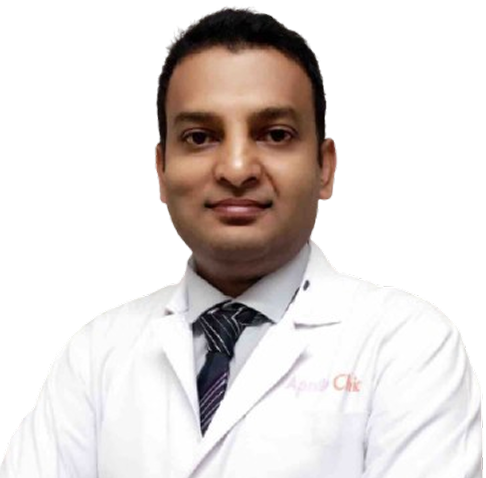
Dr. Adarsh M. Patil
MS, FMAS — Pilonidal Sinus Specialist, Bangalore
Consult Dr. Adarsh M. Patil — Pilonidal Sinus Specialist
Discuss laser and surgical options, likely recovery, costs, and next steps after an individual assessment.