Post-Treatment Care: Ensuring Lasting Results from Pilonidal Sinus Surgery
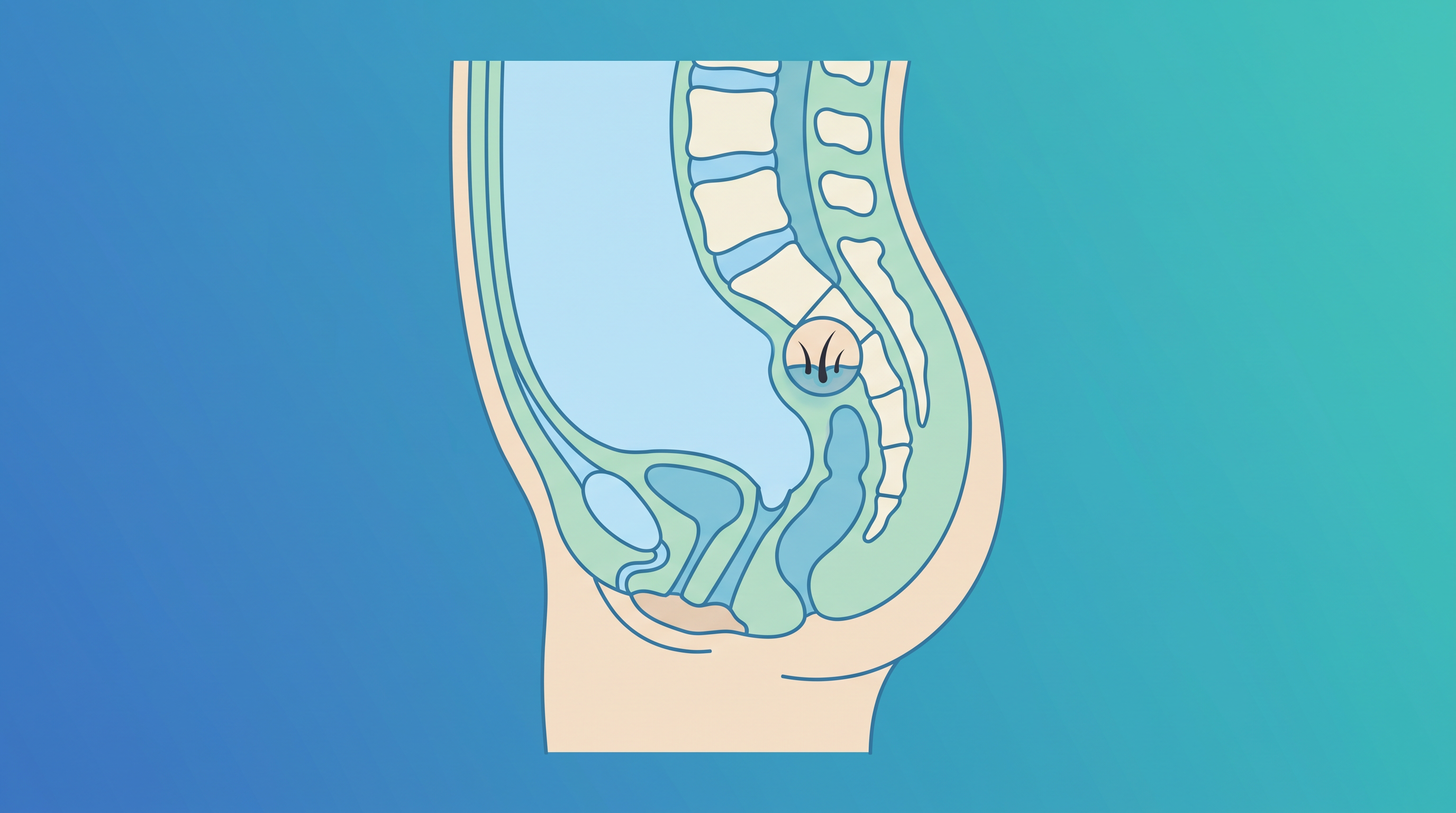
Undergoing pilonidal sinus surgery is a significant step towards alleviating discomfort and achieving long-term relief. However, the journey doesn't end in the operating room. The period following surgery, known as post-treatment care, is equally vital for a smooth recovery, preventing complications, and ensuring the best possible outcome. This comprehensive guide will walk you through every aspect of your recovery, offering practical advice and insights to help you heal effectively and prevent recurrence.
Understanding Your Recovery Journey
Recovery from pilonidal sinus surgery can vary depending on the surgical technique used (e.g., open excision, closed excision, or flap surgery) and individual healing rates. While the initial days might involve some discomfort, adhering to your surgeon's instructions is paramount. Dr. Adarsh M Patil, with over 25 years of experience as a pilonidal sinus specialist in Bangalore, emphasizes that patient compliance with post-operative care is a cornerstone of successful recovery.
Week-by-Week Flap Surgery Recovery: What to Expect
Flap surgery, often chosen for its lower recurrence rates and faster healing, involves closing the wound with a flap of healthy tissue. Here’s a general week-by-week outlook, though individual experiences may vary:
Week 1: Initial Healing and Pain Management
- Pain: Expect moderate pain, managed with prescribed medications. Take them as directed to stay comfortable.
- Wound Care: The surgical site will be bandaged. Your surgeon or nurse will provide specific instructions on dressing changes. Keep the area clean and dry.
- Activity: Rest is crucial. Avoid prolonged sitting or strenuous activities. Gentle walking for short periods is usually encouraged to promote circulation.
Weeks 2-4: Gradual Improvement and Wound Monitoring
- Pain: Pain should significantly decrease. You might transition to over-the-counter pain relievers.
- Wound Care: Continue with dressing changes as advised. Monitor for any signs of infection (redness, swelling, pus, increased pain).
- Activity: Gradually increase activity levels. Avoid heavy lifting or activities that put pressure on the surgical site. You might be able to return to light work or school.
Weeks 5-8: Strengthening and Long-Term Prevention
- Healing: The wound should be largely closed and healing well. Scarring will begin to mature.
- Activity: Most normal activities can be resumed, but listen to your body. Continue to avoid activities that cause discomfort.
- Prevention: This is a critical period to establish habits that prevent recurrence, such as meticulous hygiene and hair removal.
Essential Aspects of Post-Operative Care
1. Wound Care: The Foundation of Healing
Proper wound care is non-negotiable. Your surgeon will provide detailed instructions, which might include:
- Dressing Changes: Learn the correct technique for changing dressings. This might involve sterile gauze, absorbent pads, or specialized wound care products. Ensure your hands are thoroughly washed before and after.
- Cleaning the Wound: Gently clean the area as instructed, often with saline solution or mild antiseptic. Pat dry, do not rub.
- Monitoring for Infection: Be vigilant for signs of infection: increased redness, swelling, warmth, pus discharge, foul odor, or fever. Report these to Dr. Patil’s team immediately.
2. Hygiene: Keeping the Area Pristine
Maintaining excellent hygiene is crucial, especially in the gluteal cleft area, which is prone to moisture and hair growth.
- Showering: You will typically be advised when you can shower. Gently cleanse the area with mild soap and water, then pat dry thoroughly.
- Hair Management: Pilonidal disease is often linked to ingrown hairs. Discuss hair removal options with your doctor. Shaving, waxing, or laser hair removal can be considered once the wound is fully healed to prevent future issues. Dr. Patil often recommends long-term hair management strategies to his patients.
3. Activity Restrictions: Pacing Your Recovery
- Avoid Prolonged Sitting: Pressure on the surgical site can impede healing. Use a donut cushion if sitting is unavoidable, or take frequent breaks to stand and walk.
- Limit Strenuous Activity: Heavy lifting, intense exercise, and activities that involve twisting or jarring movements should be avoided until cleared by your surgeon.
- Gradual Return to Routine: Slowly reintroduce activities into your daily life. Listen to your body; pain is a signal to slow down.
4. Diet and Hydration: Fueling Your Body's Repair
- Balanced Diet: Focus on a diet rich in protein, vitamins (especially Vitamin C), and minerals to support tissue repair and immune function.
- Fiber Intake: To prevent constipation and straining, which can put pressure on the surgical site, ensure adequate fiber intake. Fruits, vegetables, and whole grains are excellent sources.
- Hydration: Drink plenty of water to stay hydrated and aid overall recovery.
5. Follow-Up Appointments: Your Surgeon's Guidance
Regular follow-up appointments with Dr. Patil are essential. These visits allow him to:
- Assess wound healing progress.
- Address any concerns or complications.
- Provide further guidance on activity and long-term prevention.
- Remove sutures or drains if necessary.
6. Recognizing Signs of Complications
While most recoveries are straightforward, it's important to be aware of potential complications:
- Infection: As mentioned, look for increased redness, swelling, pain, warmth, or pus.
- Wound Dehiscence: The wound edges separating.
- Excessive Bleeding: More than minor spotting.
- Fever or Chills: Can indicate a systemic infection.
Contact Dr. Adarsh M Patil’s clinic immediately if you experience any of these symptoms.
Tips for Ensuring Lasting Results and Preventing Recurrence
Preventing the recurrence of pilonidal sinus disease is a key goal of post-treatment care. Dr. Patil’s extensive experience highlights several strategies:
- Maintain Excellent Hygiene: Consistent cleaning of the gluteal cleft.
- Effective Hair Management: Regular hair removal in the area, as discussed with your doctor.
- Avoid Prolonged Pressure: Minimize long periods of sitting, especially on hard surfaces.
- Weight Management: If overweight, losing weight can reduce skin folds and pressure.
- Loose Clothing: Wear loose-fitting clothing to reduce friction and allow air circulation.
Conclusion: Your Path to a Healthy, Pilonidal-Free Future
Your commitment to post-treatment care is as important as the surgery itself. By diligently following your surgeon's advice, maintaining good hygiene, and adopting preventive measures, you significantly enhance your chances of a full recovery and a future free from pilonidal sinus issues. Remember, Dr. Adarsh M Patil and his team are dedicated to supporting you throughout this journey. Don't hesitate to reach out with any questions or concerns.
Ready to Discuss Your Pilonidal Sinus Care?
If you have questions about pilonidal sinus treatment or post-operative care, or if you're seeking expert advice, contact Dr. Adarsh M Patil's clinic in Bangalore. With over 25 years of specialized experience, Dr. Patil provides compassionate and effective care tailored to your needs. Schedule your consultation today to ensure the best possible outcome for your health.