Is Painless Pilonidal Sinus Treatment Possible? Understanding Your Options for Comfort
Introduction: Addressing Your Concerns About Pilonidal Sinus Pain
Discovering you have a pilonidal sinus can be unsettling, and one of the most common anxieties patients face is the fear of pain—both from the condition itself and from its treatment. It's a natural concern, and at Dr. Adarsh M Patil's clinic in Bangalore, we understand that comfort and effective pain management are paramount throughout your healing journey. With over 25 years of experience and a deep commitment to patient well-being, Dr. Patil (KMC Reg: 53728, MS FMAS) and his team are dedicated to making your pilonidal sinus treatment as comfortable and pain-free as possible.
So, is truly painless pilonidal sinus treatment a reality? While "painless" is a strong word in any medical context, modern advancements in surgical techniques and pain management strategies have significantly reduced discomfort, making the experience far more tolerable than many might imagine. This article will explore the various aspects of pain management during and after pilonidal sinus treatment, including anaesthesia options, post-operative pain control, what to expect at each stage, and how advanced laser treatment minimises discomfort compared to traditional open surgery.
Understanding Pilonidal Sinus Pain
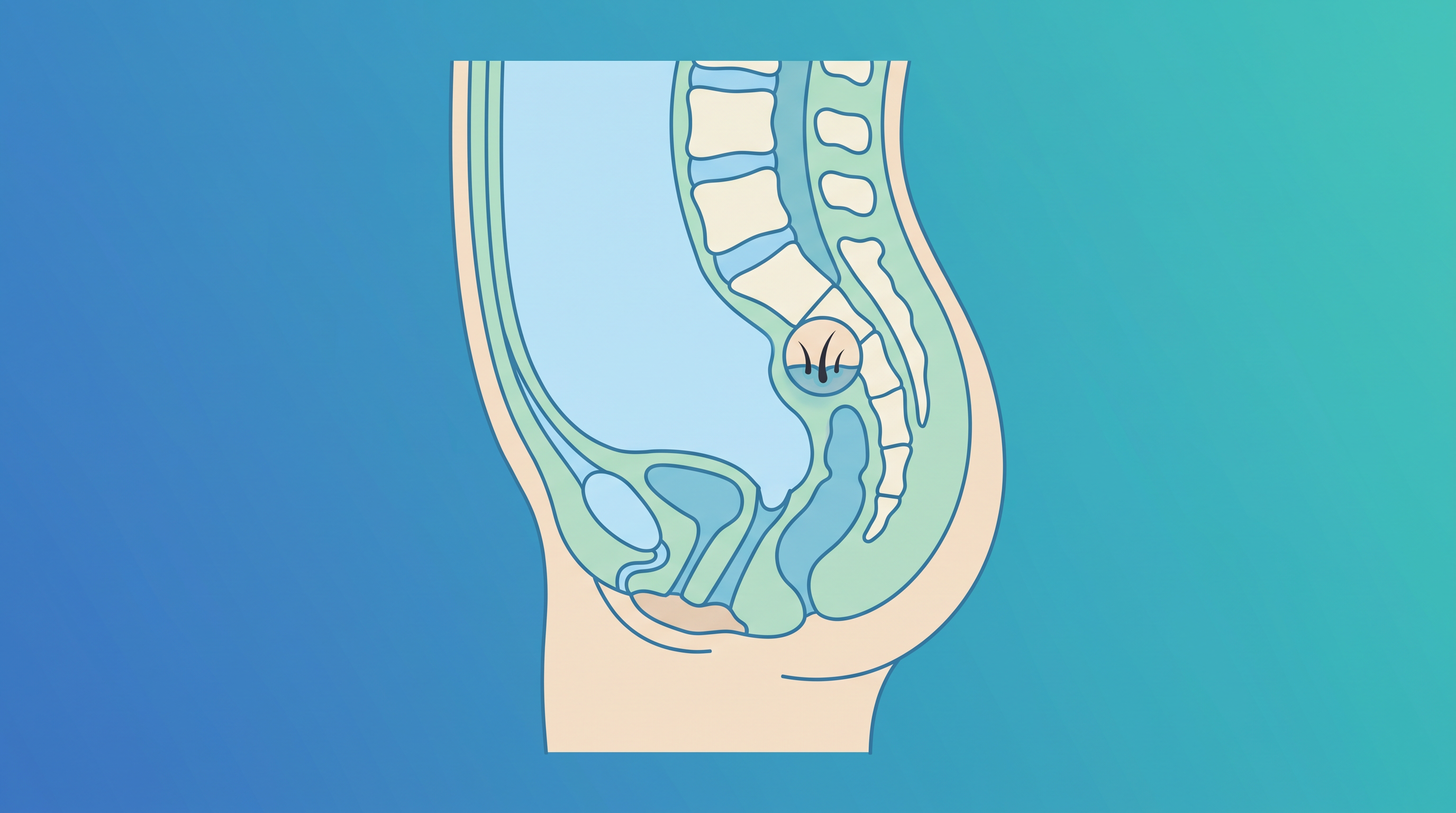
A pilonidal sinus is a small hole or tunnel in the skin, usually at the top of the buttocks, near the tailbone. It can become infected, leading to an abscess (a painful collection of pus), swelling, redness, and discharge. The pain can range from a dull ache to severe, throbbing discomfort, especially when sitting or during flare-ups. The goal of treatment is to remove the sinus and prevent recurrence, and managing the associated pain is a critical component of successful recovery.
Anaesthesia Options: Ensuring Comfort During Your Procedure
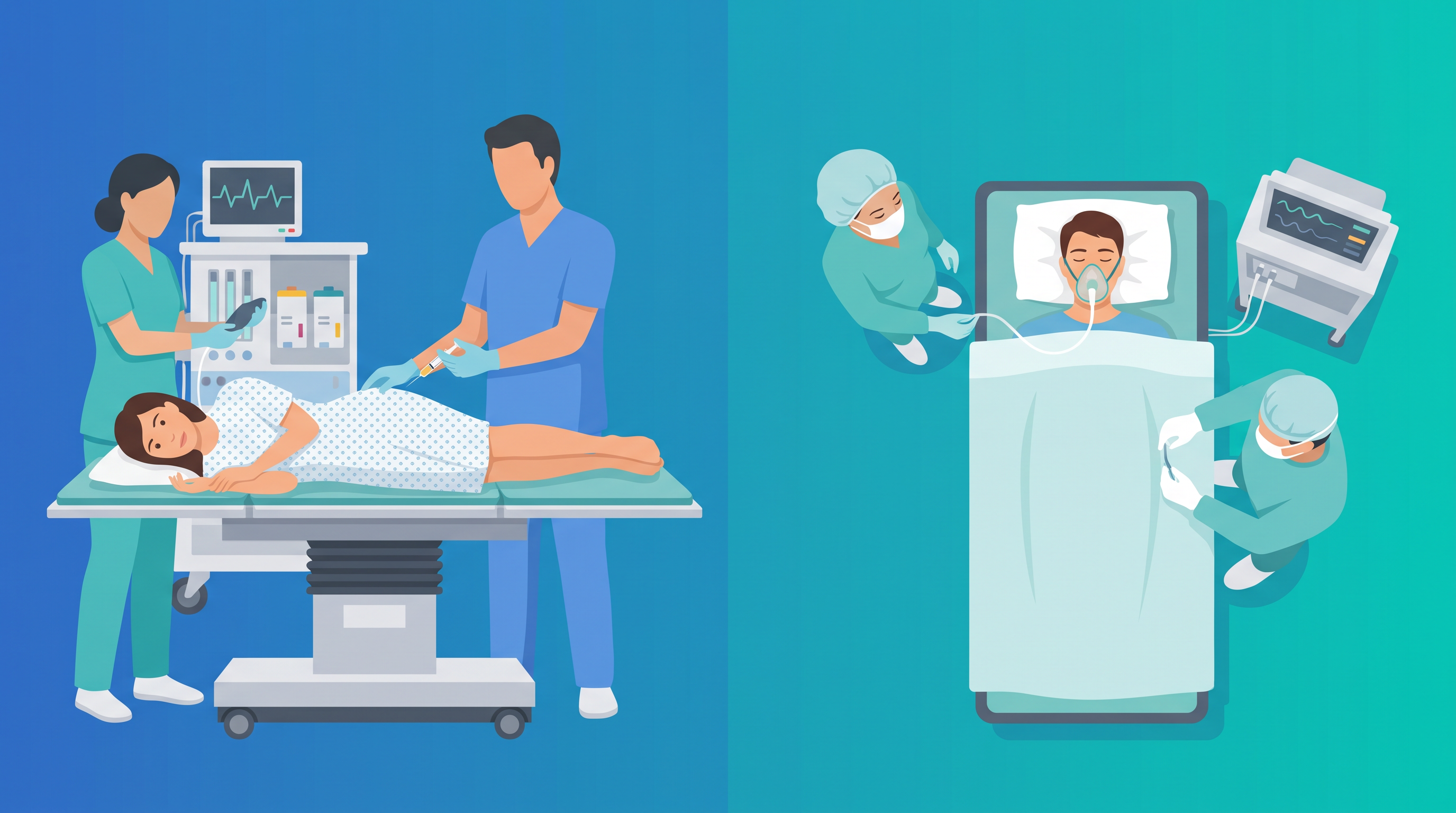
The first step towards a comfortable treatment experience is effective anaesthesia. Before your procedure, Dr. Patil will discuss the best option for your specific case, ensuring you feel no pain during the surgery itself. Common anaesthesia choices include:
1. Local Anaesthesia
For smaller, less complex pilonidal sinuses, local anaesthesia might be used. This involves injecting a numbing agent directly into the area around the sinus. You'll be awake but won't feel any pain during the procedure. This option is often preferred for its quick recovery and minimal side effects.
2. Regional Anaesthesia (Spinal or Epidural)
Regional anaesthesia involves injecting medication near the nerves that supply sensation to the lower part of your body. This numbs a larger area, allowing you to remain awake but completely pain-free from the waist down. It's a good option for more extensive procedures and can provide longer-lasting pain relief into the immediate post-operative period.
3. General Anaesthesia
For more complex cases or if you prefer to be completely asleep during the procedure, general anaesthesia is an option. You will be unconscious and feel no pain. A skilled anaesthesiologist will monitor you closely throughout the surgery to ensure your safety and comfort.
During the Procedure: Minimising Discomfort with Advanced Techniques
Modern surgical techniques, particularly laser treatment, are designed to be minimally invasive, which inherently translates to less tissue damage and, consequently, less pain. Dr. Patil specialises in advanced laser techniques for pilonidal sinus, which are a game-changer in terms of patient comfort.
Post-Operative Pain Control: What to Expect and How to Manage It
While the procedure itself is pain-free thanks to anaesthesia, some discomfort is normal as the anaesthesia wears off. However, this pain is typically manageable and significantly less severe with modern approaches. Effective post-operative pain management is a cornerstone of Dr. Patil's patient care philosophy.
Immediate Post-Operative Period
As the anaesthesia fades, you might experience some soreness or mild pain. You will be provided with pain medication, usually oral analgesics, to keep you comfortable. It's crucial to take these as prescribed, even if your pain is mild, to stay ahead of any potential discomfort.
First Few Days at Home
For the first few days, you might feel some tenderness, especially when sitting or moving. Continue taking your prescribed pain medication. Applying a cold pack to the area (as advised by your doctor) can also help reduce swelling and discomfort. Dr. Patil's team will provide detailed instructions on wound care, which is vital for preventing infection and promoting healing, thereby reducing pain.
Weeks Following Treatment
As healing progresses, pain should steadily decrease. You might experience occasional twinges or mild discomfort, especially if you overexert yourself. It's important to follow your doctor's advice regarding activity levels and return to normal routines gradually. Most patients find that within a few weeks, any significant pain has subsided, and they can resume most daily activities comfortably.
Laser Treatment vs. Open Surgery: A Clear Difference in Comfort
One of the most significant advancements in pilonidal sinus treatment, and a key factor in achieving a more comfortable experience, is the use of laser technology. Dr. Adarsh M Patil is a proponent of minimally invasive techniques like SiLaC (Sinus Laser Closure) due to their superior patient outcomes, particularly regarding pain and recovery.
Open Surgery (Traditional Method)
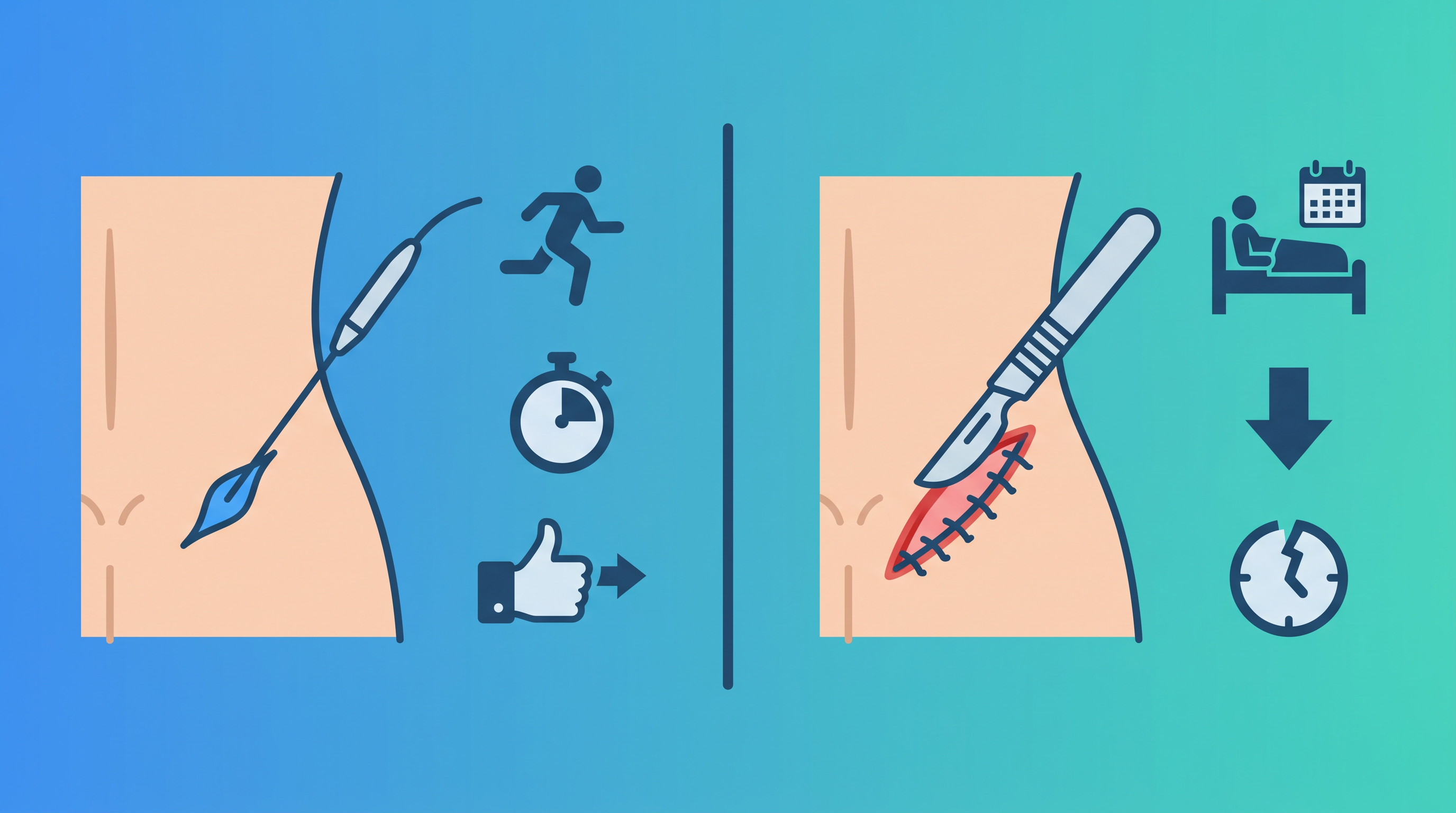
Traditional open surgery involves excising the sinus and leaving the wound open to heal. While effective, this method often results in:
- More significant post-operative pain: A larger wound means more tissue disruption and a longer, more painful healing process.
- Longer recovery time: Open wounds can take weeks or even months to fully close, requiring extensive wound care.
- Increased discomfort during daily activities: Sitting and moving can be very painful due to the open wound.
Laser Treatment (SiLaC)
In contrast, laser treatment offers a revolutionary approach:
- Minimised Discomfort: The laser fibre is inserted into the sinus tract, and laser energy is used to destroy the epithelial lining and close the tract. This results in a much smaller internal wound and often no external incision, leading to significantly less pain.
- Faster Recovery: With minimal tissue damage, healing is much quicker. Patients can often return to their normal activities within a few days to a week.
- Reduced Need for Pain Medication: The lower pain levels mean less reliance on strong pain relievers.
- Excellent Cosmetic Results: The absence of large external wounds leads to better aesthetic outcomes.
Dr. Patil's expertise in performing SiLaC ensures that patients benefit from these advantages, experiencing a treatment journey that prioritises their comfort and rapid return to health.
Practical Patient-Focused Advice for a Comfortable Recovery
Beyond medication and surgical technique, your active participation in recovery plays a huge role in managing pain and ensuring a smooth healing process:
- Follow Wound Care Instructions Diligently: Keeping the area clean and dry, as instructed by Dr. Patil's team, is crucial for preventing infection and reducing pain.
- Avoid Prolonged Sitting: Especially in the initial recovery phase, try to avoid sitting for long periods. Use a donut cushion if sitting is unavoidable.
- Maintain Good Hygiene: Regular gentle cleaning of the area helps prevent irritation and infection.
- Wear Loose Clothing: Tight clothing can rub against the treated area, causing discomfort. Opt for loose, breathable fabrics.
- Stay Hydrated and Eat a Healthy Diet: Good nutrition supports healing, and adequate hydration can help prevent constipation, which can strain the surgical site.
- Gentle Activity: While rest is important, gentle movement as advised by your doctor can improve circulation and aid healing. Avoid strenuous activities until cleared.
- Communicate with Your Doctor: If you experience unexpected pain, fever, or signs of infection, contact Dr. Patil's clinic immediately. Your comfort and safety are their priority.
Conclusion: Your Path to a More Comfortable Pilonidal Sinus Treatment
The idea of "painless" pilonidal sinus treatment is closer to reality than ever before, thanks to advanced techniques like laser surgery and comprehensive pain management strategies. While some degree of discomfort is inevitable with any medical procedure, the goal is to minimise it significantly and ensure a smooth, comfortable recovery.
Dr. Adarsh M Patil, with his 25+ years of experience in Bangalore, is dedicated to providing state-of-the-art pilonidal sinus treatment that prioritises patient comfort and effective outcomes. His expertise in minimally invasive laser techniques offers a pathway to faster healing and significantly less post-operative pain compared to traditional methods.
If you are suffering from pilonidal sinus and are concerned about the pain associated with treatment, don't let fear hold you back from seeking the care you need. Contact Dr. Adarsh M Patil's clinic today to schedule a consultation and discuss how a personalised, comfort-focused treatment plan can help you achieve lasting relief.