Pilonidal Sinus Prevention: 10 Evidence-Based Tips for a Healthier You
Pilonidal sinus disease, often a source of significant discomfort and concern, can disrupt daily life with its painful cysts and potential for infection. This condition, characterized by a small hole or tunnel in the skin, usually at the top of the buttocks, is more common than many realize. While it can be distressing, the good news is that proactive measures can significantly reduce your risk of developing a pilonidal sinus or experiencing a recurrence after treatment.
Dr. Adarsh M Patil, a distinguished pilonidal sinus specialist in Bangalore with over 25 years of experience, emphasizes the critical role of prevention. "Understanding and implementing preventive strategies is key," says Dr. Patil, whose extensive background and KMC Registration 53728, MS FMAS, underscore his deep expertise in this field. "Many patients can avoid the pain and inconvenience of this condition by adopting simple, evidence-based habits."
This article will delve into 10 crucial tips, backed by medical research, to help you prevent pilonidal sinus disease and maintain long-term well-being.
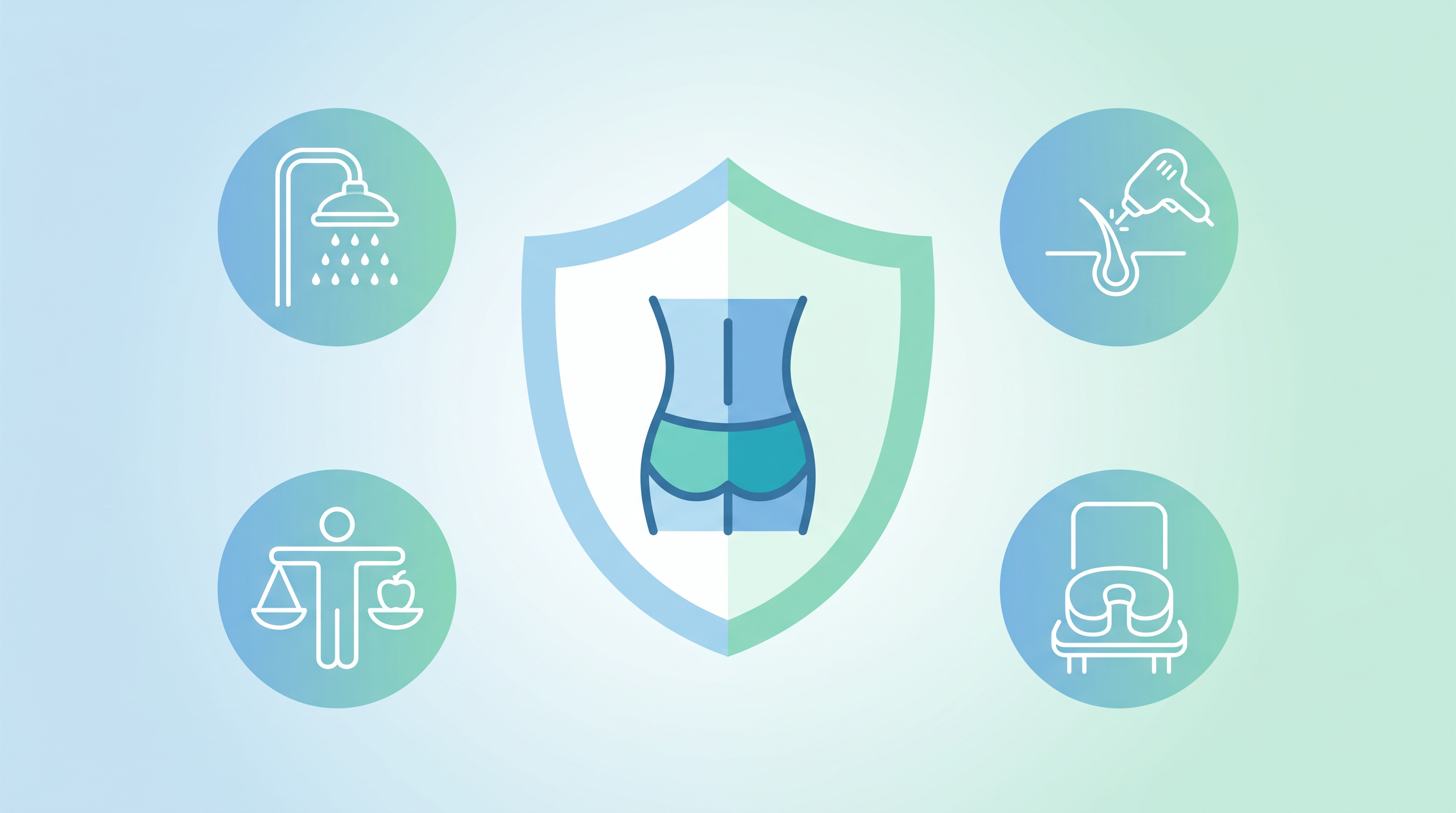
1. Prioritize Excellent Hygiene
Maintaining impeccable hygiene in the sacrococcygeal area is paramount. This means regular and thorough cleaning of the natal cleft (the crease between the buttocks). Hair, skin debris, and sweat can accumulate here, creating an ideal environment for bacteria and ingrown hairs that lead to pilonidal cysts.
- Daily Washing: Wash the area daily with mild soap and water. Ensure you rinse thoroughly to remove all soap residue.
- Gentle Drying: After washing, gently but completely dry the area. Moisture can promote bacterial growth and skin irritation.
- Antiseptic Wipes: Consider using antiseptic wipes after bowel movements, especially if you have a history of pilonidal issues or are prone to sweating.
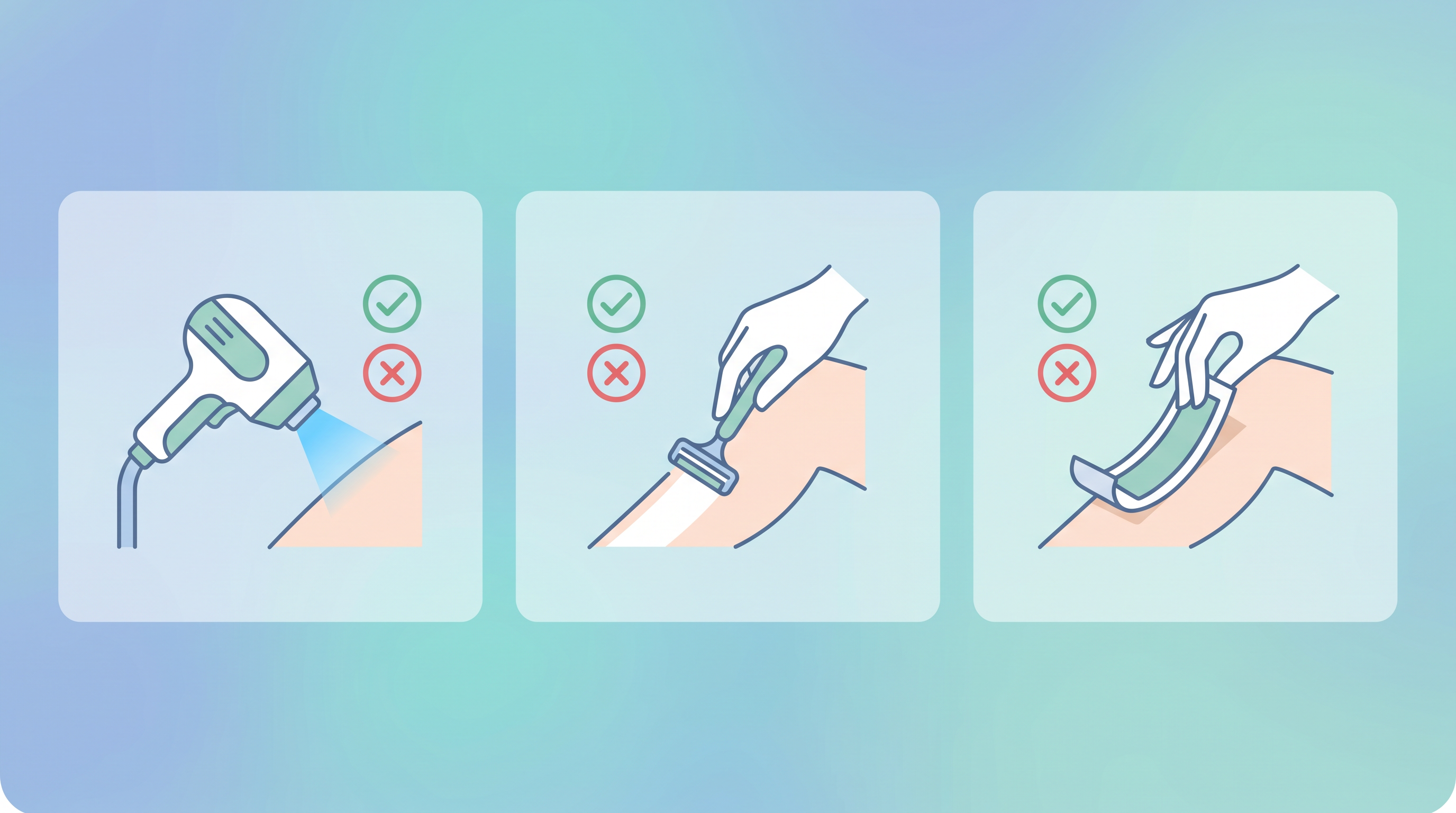
2. Strategic Hair Removal
Ingrown hairs are a primary culprit in pilonidal sinus formation. Hair follicles can become blocked or grow inwards, leading to inflammation and cyst development. Managing hair in the natal cleft is a highly effective preventive measure.
- Shaving: If you choose to shave, do so carefully and regularly. Shave in the direction of hair growth to minimize ingrown hairs. Use a clean, sharp razor and shaving cream.
- Depilatory Creams: These creams dissolve hair and can be a gentler alternative to shaving for some individuals. Always perform a patch test first to check for skin sensitivity.
- Laser Hair Removal: For a more long-term solution, laser hair removal can significantly reduce hair growth in the area, thereby lowering the risk of pilonidal sinus. Dr. Patil often recommends this as a highly effective preventive strategy for those at high risk or with recurrent issues.
3. Maintain a Healthy Weight
Obesity and excess weight can increase the risk of pilonidal sinus disease. Increased body fat can lead to deeper natal clefts, which are more prone to moisture retention, friction, and hair accumulation. Weight management is a holistic approach to prevention.
- Balanced Diet: Focus on a diet rich in fruits, vegetables, lean proteins, and whole grains.
- Regular Exercise: Incorporate physical activity into your daily routine to help manage weight and improve overall health.
4. Adopt Healthy Sitting Habits
Prolonged sitting, especially on hard surfaces, can put undue pressure on the tailbone area, leading to friction and trauma that can initiate pilonidal sinus formation. This is particularly relevant for individuals with sedentary jobs or lifestyles.
- Take Breaks: If your job requires long periods of sitting, stand up and walk around every 30-60 minutes.
- Use a Cushion: A donut-shaped or wedge cushion can help redistribute pressure away from the tailbone area.
- Proper Posture: Maintain good posture to reduce strain on the lower back and buttocks.
5. Choose Breathable Clothing
Tight-fitting clothing, especially those made from synthetic materials, can trap moisture and heat in the natal cleft, creating an environment conducive to bacterial growth and skin irritation. Opt for clothing that allows your skin to breathe.
- Loose-fitting Attire: Wear loose-fitting underwear and outer garments made from natural fibers like cotton.
- Avoid Irritation: Ensure clothing seams do not rub or irritate the sacrococcygeal area.
6. Manage Excessive Sweating
Excessive sweating in the gluteal region can contribute to moisture buildup and skin maceration, increasing the risk of pilonidal sinus. Addressing this can be a simple yet effective preventive step.
- Antiperspirants: Consult with a healthcare professional about using antiperspirants specifically designed for skin folds, if appropriate.
- Frequent Clothing Changes: Change underwear and clothing more frequently if you tend to sweat a lot, especially after exercise.
7. Avoid Prolonged Pressure or Trauma
Repetitive trauma or pressure to the tailbone area can damage hair follicles and skin, making them more susceptible to pilonidal sinus development. This is often seen in occupations involving prolonged driving or riding.
- Ergonomic Adjustments: Make ergonomic adjustments to your workspace or vehicle to minimize pressure on the affected area.
- Protective Padding: If engaging in activities that cause direct pressure, consider protective padding.
8. Early Recognition and Intervention
Being aware of the early signs of pilonidal sinus disease is crucial for timely intervention, which can prevent the condition from worsening. Look out for any discomfort, redness, or swelling in the tailbone area.
- Self-Examination: Regularly check the area for any unusual bumps, redness, or discharge.
- Prompt Consultation: If you notice any symptoms, do not delay seeking medical advice. Early diagnosis and treatment by a specialist like Dr. Adarsh M Patil can often lead to simpler, less invasive interventions.
9. Quit Smoking
Smoking has been linked to a higher incidence of pilonidal sinus disease and a greater risk of recurrence after surgery. Nicotine and other chemicals in cigarettes can impair wound healing and compromise the immune system.
- Seek Support: If you smoke, consider seeking support to quit. This will not only benefit your pilonidal health but your overall well-being.
10. Regular Follow-ups and Professional Advice
Even after successful treatment or if you are at high risk, regular check-ups with a specialist are invaluable. Dr. Adarsh M Patil emphasizes the importance of ongoing vigilance.
- Personalized Guidance: A specialist can provide personalized advice based on your specific risk factors and medical history.
- Monitoring: Regular follow-ups allow for early detection of any potential issues, ensuring they are addressed before they become problematic.
Your Path to Pilonidal Sinus Prevention
Pilonidal sinus disease can be a challenging condition, but with a proactive approach to prevention, you can significantly reduce your risk. By incorporating these evidence-based tips into your daily routine – from meticulous hygiene and strategic hair removal to maintaining a healthy weight and adopting better sitting habits – you are taking powerful steps towards a healthier, more comfortable life.
Remember, knowledge is your first line of defense. If you have concerns about pilonidal sinus disease, or if you are experiencing symptoms, do not hesitate to seek expert medical advice. Dr. Adarsh M Patil, with his 25+ years of experience and specialized knowledge in pilonidal sinus treatment, is available for consultation in Bangalore. His expertise can guide you through personalized prevention strategies and effective treatment options, ensuring you receive the best possible care.
Take control of your health today. Consult with Dr. Adarsh M Patil for expert guidance on pilonidal sinus prevention and care.