Pilonidal Sinus Treatment in Hoskote: A Comprehensive Guide to Healing and Recovery
Introduction: Understanding Pilonidal Sinus Disease
Pilonidal sinus disease (PSD) is a chronic inflammatory condition that manifests as a small cyst or abscess near the tailbone, in the natal cleft. This condition causes significant discomfort, pain, and recurrent infections, impacting daily life. It typically arises when hair, debris, and skin cells become trapped under the skin, leading to inflammation and infection. PSD is more prevalent in young adults, particularly males, those with excessive body hair, sedentary lifestyles, or a family history of the condition. Early diagnosis and effective treatment are crucial to alleviate symptoms, prevent chronic recurrence, and avoid complications. This guide explores pilonidal sinus treatment options in Hoskote, Karnataka, highlighting advanced medical approaches and the expertise of Dr. Adarsh M. Patil. We will delve into Hoskote's local context, explore treatment modalities, and provide practical advice for prevention and recovery, ensuring residents have access to vital information.
Why Hoskote? A Hub for Advanced Healthcare in Rural Bengaluru
Hoskote, a vibrant and rapidly evolving town in the Bengaluru North District of Karnataka, is emerging as a crucial healthcare destination. Its population has steadily grown, reflecting its importance as an industrial and residential hub, boasting a high literacy rate and dynamic demographics. Hoskote's strategic location, approximately 25 kilometers from Bangalore, makes it easily accessible via well-maintained national highways like NH75. This connectivity is vital for patients seeking specialized medical care without the complexities of a larger city. The town's healthcare infrastructure has developed substantially, now featuring a robust network of multi-specialty hospitals and clinics. Institutions such as MVJ Medical College and Research Hospital, Ashwini Multispeciality Hospital, and Srinivasa Hospital demonstrate Hoskote's commitment to comprehensive medical services. These facilities are equipped with modern diagnostic and treatment technologies, staffed by experienced medical professionals, and are becoming centers of excellence for various medical specialties, including advanced surgical procedures. This flourishing medical ecosystem ensures residents of Hoskote and neighboring areas have convenient access to high-quality, specialized treatments, including state-of-the-art pilonidal sinus care.
Understanding Pilonidal Sinus: From Diagnosis to Advanced Treatment Options
Pilonidal sinus disease often begins as a small, initially asymptomatic dimple or pit in the skin. However, when clogged with hair, skin debris, and bacteria, it can lead to infection, forming a painful abscess. Symptoms commonly include localized pain, swelling, redness, tenderness, and the discharge of pus or blood. Multiple sinus tracts may develop in complex cases. Diagnosis usually involves a physical examination; imaging may be used for complex cases to determine depth and branching of sinus tracts.
Treatment strategies are tailored to the individual, considering severity, infection presence, and overall health. Initial management for acute infections often includes:
- Incision and Drainage: A minor surgical procedure to drain pus and relieve pain for an acute abscess. This is temporary and doesn't address the underlying sinus.
- Antibiotics: Prescribed to combat bacterial infection, though generally not effective as a standalone treatment for chronic PSD.
- Hygiene and Hair Removal: Meticulous hygiene in the natal cleft and regular hair removal (shaving, depilatory creams, or laser hair removal) can help prevent recurrence and manage mild symptoms.
For chronic or recurrent pilonidal sinus disease, surgical intervention is often definitive. Traditional techniques include:
- Wide Excision with Open Healing: The entire sinus tract and affected tissue are removed, and the wound is left open to heal from the bottom up. High success rate but longer healing and diligent wound care.
- Excision with Primary Closure: Sinus and tissue are removed, and wound edges are stitched. Faster healing but higher recurrence risk.
- Marsupialization: The sinus tract is opened, and edges are stitched to surrounding skin, creating a shallow pouch that heals over time.
Recent advancements in minimally invasive techniques have revolutionized treatment. Laser Pilonidal Sinus Surgery (LPS) is a preferred option due to its advantages:
- Minimally Invasive: Small incisions, less tissue damage.
- Reduced Pain: Significantly less postoperative pain.
- Faster Recovery: Quicker return to normal activities (days to weeks).
- Lower Recurrence Rates: Comparable or lower than traditional methods.
- Minimal Scarring: Less noticeable scarring.
- High Success Rates: Effective in eradicating the sinus tract.
LPS uses a laser fiber inserted into the sinus tract to ablate infected tissue and seal the tract. This promotes internal healing and reduces extensive wound care, offering a comfortable and efficient recovery.
Dr. Adarsh M. Patil: A Pioneer in Laser Pilonidal Sinus Treatment in Hoskote
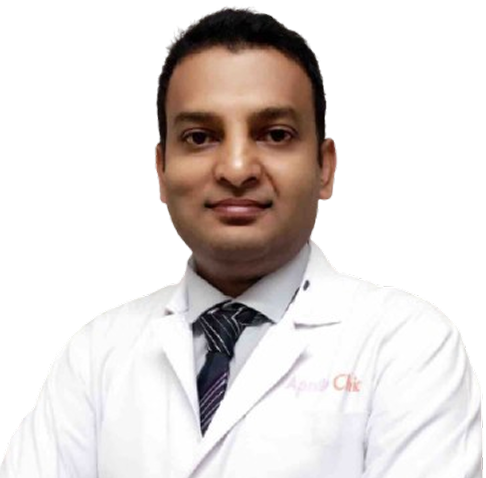
Dr. Adarsh M. Patil is an esteemed General and Laparoscopic Surgeon, renowned for his expertise in advanced pilonidal sinus treatment. With over 28 years of experience, Dr. Patil has a stellar reputation for patient-centric care and successful outcomes. His rigorous international training provides a global perspective on surgical best practices and innovative techniques, particularly in minimally invasive procedures like laser pilonidal sinus surgery.
Dr. Patil's practice integrates cutting-edge technology with compassionate care. He champions laser pilonidal sinus surgery for its benefits: reduced postoperative pain, minimal scarring, and remarkably faster recovery. His meticulous technique ensures complete ablation of the sinus tract, minimizing recurrence. Patients receive comprehensive care from accurate diagnosis and personalized treatment planning to diligent postoperative follow-up. His affiliations with prominent medical institutions in Bengaluru further solidify his standing.
Local FAQs about Pilonidal Sinus Treatment in Hoskote
-
What are the common symptoms of pilonidal sinus, and when should I seek medical attention?
Symptoms include persistent pain, swelling, redness, tenderness, and discharge of pus or blood in the natal cleft. Seek medical attention if symptoms worsen, if you develop a fever, or if pain becomes debilitating. Early intervention prevents chronic complications.
-
Is laser surgery for pilonidal sinus available in Hoskote, and what are its advantages?
Yes, advanced laser pilonidal sinus surgery is available in Hoskote, offered by skilled specialists like Dr. Adarsh M. Patil. Advantages include minimal invasiveness, smaller incisions, less pain, reduced scarring, and faster recovery. It boasts high success rates in eradicating the sinus tract and minimizing recurrence.
-
What is the typical recovery time after pilonidal sinus surgery, particularly laser surgery, and what post-operative care is involved?
Recovery varies. Traditional open surgeries may take months. Minimally invasive laser surgery offers significantly shorter recovery, typically days to two weeks for most normal activities. Post-operative care involves keeping the surgical site clean and dry, pain management, and avoiding strenuous activities. Dr. Patil's team provides detailed instructions and support.
-
Are there any effective non-surgical treatments for pilonidal sinus, or is surgery always necessary?
For acute infections or mild cases, conservative management (hygiene, hair removal, antibiotics) can be effective. However, these are often temporary. For chronic, recurrent, or severe PSD, surgical intervention is almost always recommended as the definitive treatment.
-
How can I effectively prevent the recurrence of pilonidal sinus after treatment?
Preventing recurrence is crucial. Maintain excellent hygiene in the natal cleft, keeping it clean and dry. Regularly remove hair from the region (shaving, depilatory creams, or laser hair removal). Avoid prolonged sitting; take frequent breaks to stand and move. Wear loose-fitting, breathable clothing. Manage your weight. Promptly address early signs of discomfort.
-
What should I consider when choosing a pilonidal sinus specialist in Hoskote?
Privacy and independent feedback
To protect patient privacy, this page does not publish unverified patient stories or treatment outcomes. You can view the clinic's public Google Business Profile review summary, and discuss the suitability, benefits, risks, recovery, and costs of treatment for your own condition in a private consultation. Individual results vary.
Prevention Tips for Pilonidal Sinus: Maintaining Long-Term Health
Preventing pilonidal sinus onset or recurrence is crucial. Diligent hygiene and mindful lifestyle adjustments significantly reduce risk:
- Maintain Impeccable Hygiene: Regularly clean the natal cleft with mild soap and water, ensuring it's thoroughly dried. Moisture and sweat foster bacterial growth and hair follicle blockage.
- Effective Hair Management: Hair is a primary culprit. Regular hair removal from the natal cleft is highly recommended (shaving, depilatory creams, or laser hair removal), especially for dense or coarse hair.
- Avoid Prolonged Sitting: If your lifestyle involves extended sitting, take frequent breaks. Stand, walk, and change positions to relieve pressure on the tailbone. Donut cushions can also help.
- Opt for Loose-Fitting Clothing: Tight clothing causes friction and irritation, potentially pushing hairs into the skin. Choose loose, breathable fabrics like cotton to minimize irritation and promote air circulation.
- Manage Your Weight: Obesity is a risk factor. Maintaining a healthy weight reduces skin folds and friction in the natal cleft, lowering risk.
- Address Early Symptoms: Don't ignore discomfort or irritation. Promptly addressing minor issues prevents escalation into full-blown infections.
Incorporating these measures significantly reduces susceptibility to pilonidal sinus disease and promotes overall health.
Clinic Information: Your Partner in Healing
For expert consultation and advanced pilonidal sinus treatment, including state-of-the-art laser surgery, Dr. Adarsh M. Patil's clinic in Hoskote offers a comprehensive, patient-focused approach. The clinic provides a comfortable, supportive environment, equipped with the latest medical technologies for accurate diagnosis and effective treatment. From initial consultation to post-operative care, the dedicated team guides you through every step of your healing journey.
Services Offered:
- Comprehensive Pilonidal Sinus Diagnosis
- Advanced Laser Pilonidal Sinus Surgery (LPS)
- Minimally Invasive Surgical Procedures
- Post-operative Care and Follow-up
- Patient Education and Prevention Counseling
For appointments, inquiries, or to learn more, visit Dr. Adarsh M. Patil's official website or contact the clinic directly. Friendly staff will assist with scheduling and provide necessary information.
Local Landmarks and Directions: Easily Accessible Care in Hoskote
Dr. Adarsh M. Patil's clinic in Hoskote is strategically located for easy access from various parts of the town and surrounding regions. Its proximity to key landmarks makes it a convenient medical destination. Patients from Bangalore and nearby cities can reach the clinic via National Highway 75 (NH75).
Key Landmarks in Hoskote:
- Hoskote Lake: A prominent natural landmark and well-known reference point.
- MVJ Medical College and Research Hospital: A significant medical institution, useful for navigation.
- Hoskote Market Area: A bustling commercial center, indicating the town's activity.
Detailed directions, including specific routes and public transport, can be provided upon appointment confirmation. Clinic staff assists with travel information. Ample parking is available for private vehicles.
Medical Disclaimer: Important Information for Patients
This guide is for general informational purposes only and should not be construed as medical advice. It does not substitute for professional medical consultation, diagnosis, or treatment. Individual health conditions vary, and treatment effectiveness differs based on personal medical history, lifestyle, and PSD characteristics. Consult a qualified and experienced healthcare professional, such as Dr. Adarsh M. Patil, for health concerns or before making treatment decisions. This information is not exhaustive and should not be used for self-diagnosis or self-treatment. Dr. Adarsh M. Patil and his team are committed to personalized, evidence-based care, ensuring the highest standards of medical practice and patient safety. Always seek advice from your physician or other qualified health provider for medical questions.