The Science Behind Laser Treatment for Pilonidal Sinus: A Minimally Invasive Approach
Understanding Pilonidal Sinus and the Need for Advanced Treatment
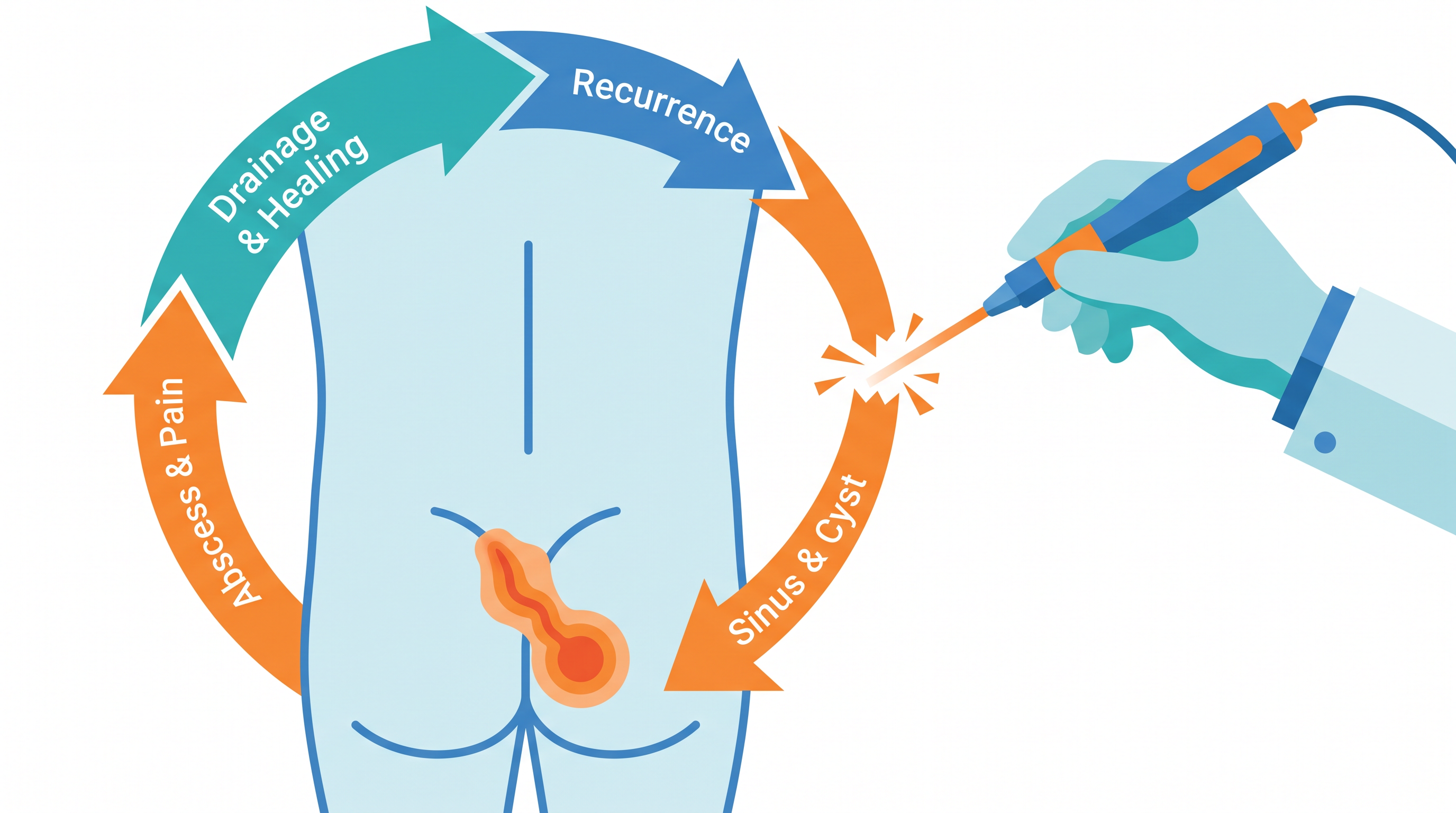
Pilonidal sinus is a common, often painful condition that affects the skin in the cleft of the buttocks. It typically occurs when hair punctures the skin and becomes embedded, leading to an inflammatory reaction and the formation of a cyst or abscess. For years, traditional surgical methods, such as wide excision and open wound healing, were the primary treatment. While effective, these procedures often involved significant discomfort, prolonged recovery times, and a high risk of recurrence.
Patients seeking relief from pilonidal sinus often dread the thought of invasive surgery. The good news is that medical science has advanced, offering less intrusive and more patient-friendly solutions. Dr. Adarsh M Patil, a highly experienced pilonidal sinus specialist in Bangalore with over 25 years of expertise (KMC Reg: 53728, MS FMAS), has been at the forefront of adopting these innovative techniques, particularly laser treatment.
The Power of Precision: How FiLaC and SiLaC Work
Laser treatment for pilonidal sinus, specifically techniques like FiLaC (Fistula-tract Laser Closure) and SiLaC (Sinus Laser Closure), represents a significant leap forward. These methods utilize focused laser energy to precisely target and close the pilonidal sinus tract. But how exactly do they work at a cellular level?
Mechanism of Action: A Cellular Perspective
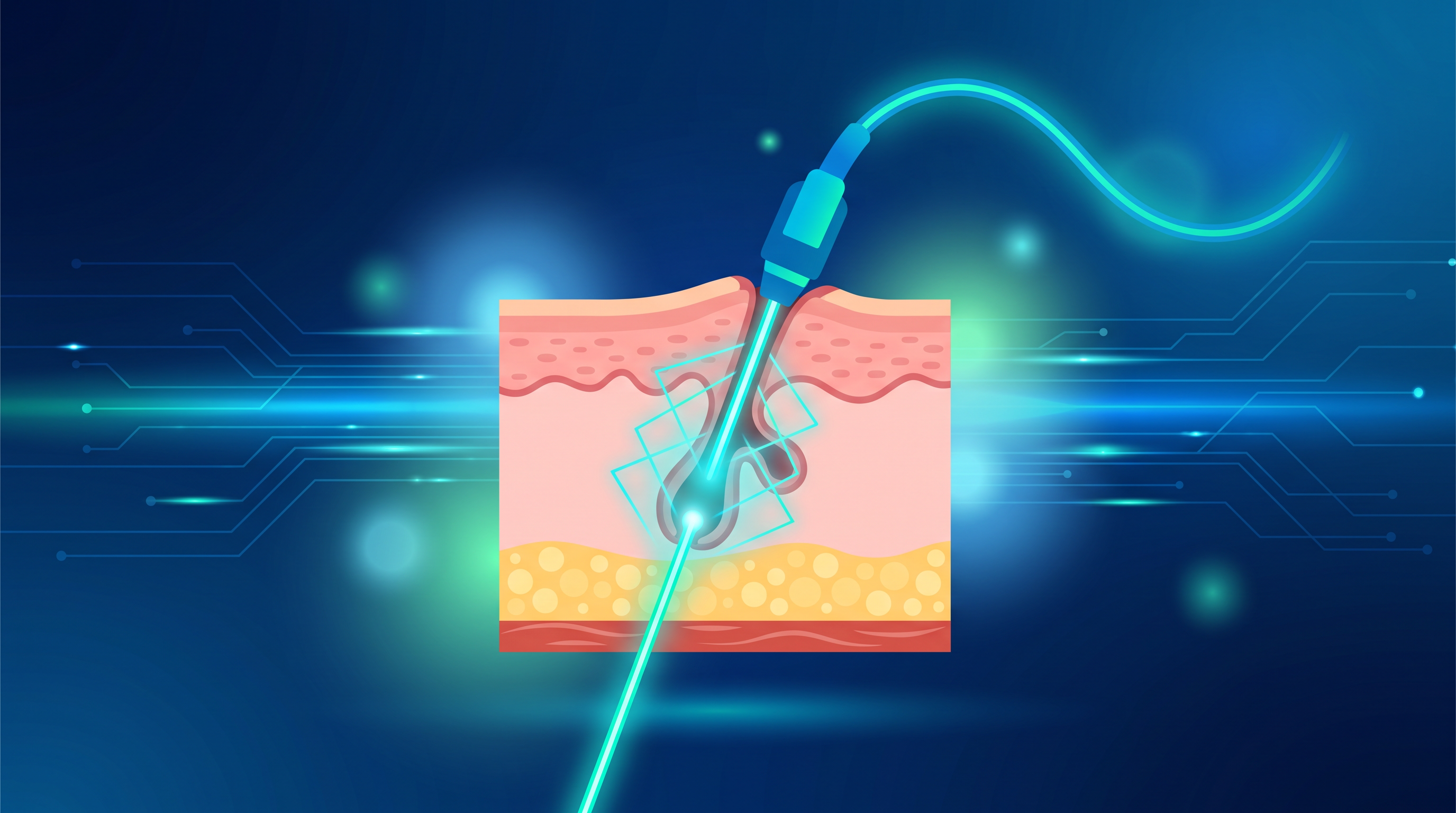
At its core, laser treatment leverages the principle of photothermolysis. A thin laser fiber is inserted into the sinus tract. The laser emits energy at specific wavelengths, typically in the range of 980 nm to 1470 nm. These wavelengths are chosen because they are highly absorbed by water and hemoglobin, which are abundant in human tissue.
When the laser energy is delivered, it causes controlled thermal damage to the lining of the sinus tract. This heat denatures proteins and coagulates the tissue, effectively destroying the epithelial cells that line the sinus and preventing further hair ingress and infection. As the laser fiber is slowly withdrawn, the tract walls collapse and seal, promoting fibrosis and permanent closure. The precision of the laser ensures that surrounding healthy tissue is largely unaffected, minimizing collateral damage.
Clinical Evidence and Superiority Over Traditional Surgery
The efficacy of FiLaC and SiLaC has been well-documented in numerous clinical studies. Patients undergoing laser treatment typically experience:
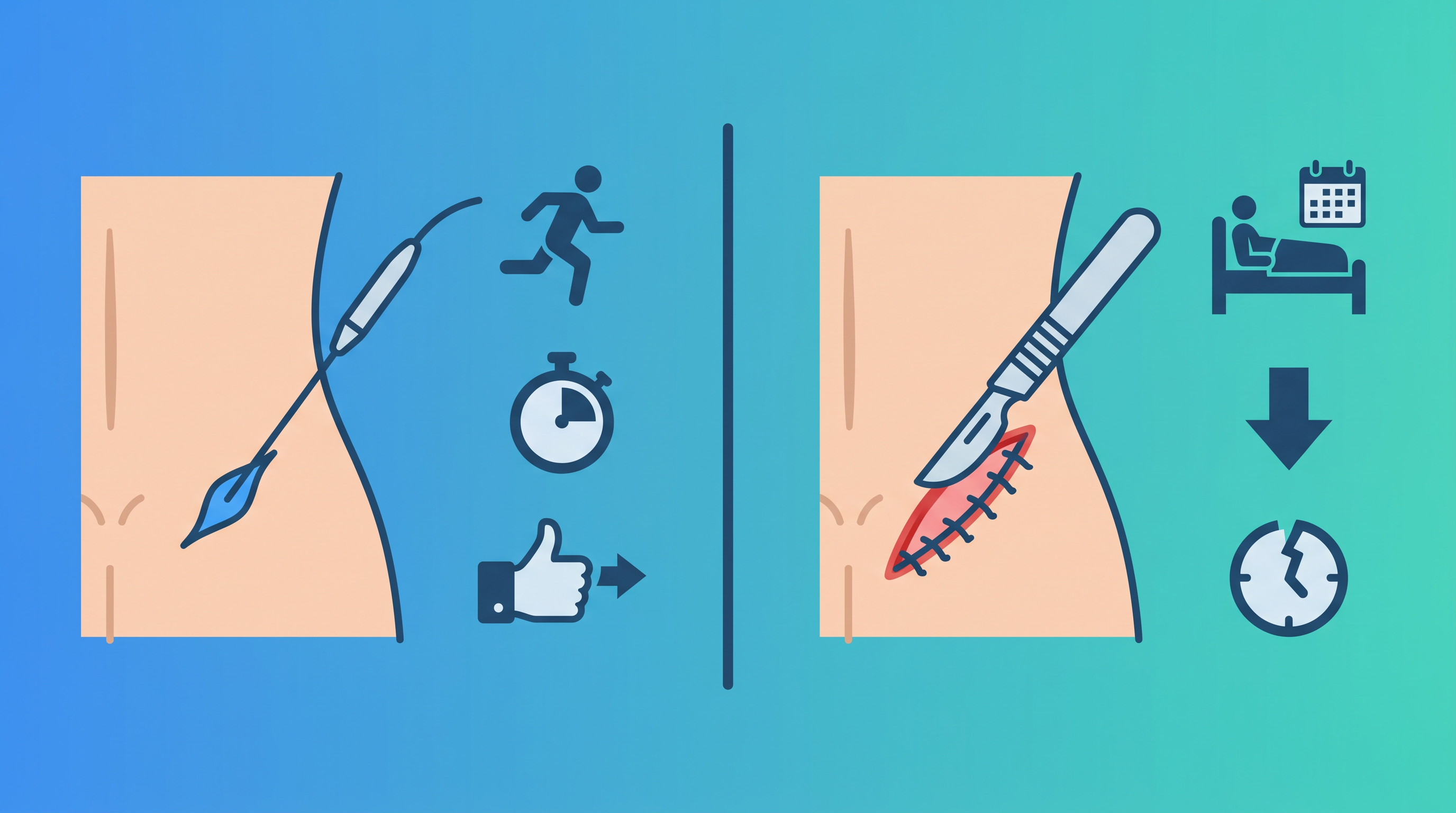
- Reduced Pain: The minimally invasive nature of the procedure means less tissue trauma, leading to significantly less post-operative pain compared to traditional open surgery.
- Faster Recovery: Most patients can return to their normal activities within a few days, as opposed to several weeks or even months with conventional methods.
- Lower Recurrence Rates: Studies show comparable, and in some cases, even lower recurrence rates than traditional surgery, especially when performed by experienced specialists like Dr. Adarsh M Patil.
- Improved Aesthetic Outcome: The small incision points heal with minimal scarring, offering a much better cosmetic result.
- Outpatient Procedure: Laser treatment is often performed as an outpatient procedure, meaning patients can go home the same day.
Dr. Patil emphasizes that while traditional surgery has its place, for the majority of pilonidal sinus cases, laser treatment offers a superior patient experience due to its minimal invasiveness and rapid recovery. His extensive experience has shown him firsthand the transformative impact these advanced techniques have on his patients' lives.
Practical Patient-Focused Advice
Considering laser treatment for pilonidal sinus? Here's what you should know:
- Consult a Specialist: The most crucial step is to seek an experienced surgeon. Dr. Adarsh M Patil's expertise ensures an accurate diagnosis and the most appropriate treatment plan for your specific condition.
- Pre-Procedure Preparation: You will receive specific instructions, which may include shaving the area around the sinus and maintaining good hygiene.
- Post-Procedure Care: Follow your surgeon's post-operative instructions diligently. This typically involves keeping the area clean and dry, avoiding prolonged sitting, and taking prescribed pain medication if needed. Dr. Patil's team provides comprehensive guidance to ensure a smooth recovery.
- Long-Term Management: While laser treatment significantly reduces recurrence, maintaining good hygiene, avoiding prolonged pressure on the area, and regular hair removal (if recommended) can further minimize risks.
Why Choose a Specialist Like Dr. Adarsh M Patil?
Choosing the right surgeon is paramount for successful pilonidal sinus treatment. Dr. Adarsh M Patil's 25+ years of experience and deep understanding of advanced techniques like FiLaC and SiLaC mean you are in highly capable hands. His commitment to patient-centric care ensures that you receive not just effective treatment, but also compassionate support throughout your healing journey. His practice in Bangalore is dedicated to providing cutting-edge solutions for pilonidal sinus, helping countless patients achieve lasting relief.
Take the Next Step Towards Relief
Don't let pilonidal sinus dictate your life. If you're experiencing symptoms or seeking a more advanced, less invasive treatment option, it's time to explore the benefits of laser therapy. Contact Dr. Adarsh M Patil's clinic in Bangalore today to schedule a consultation and discuss how laser treatment can offer you a path to a pain-free future.