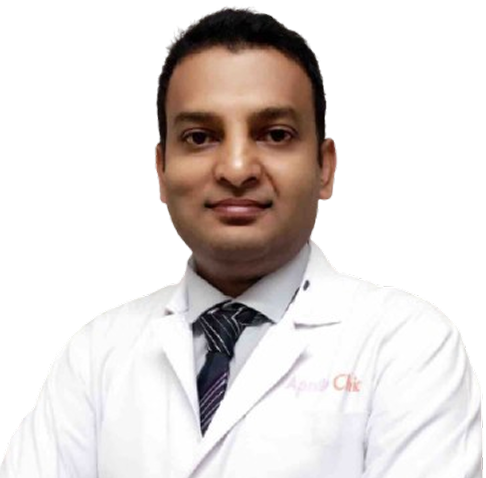

Dr Adarsh M Patil
Medical ReviewerChief Author & Medical Editor
Dr Adarsh M. Patil, MS, FMAS | Karnataka Medical Council Registration: 53728 | 25+ Years Experience
About the Medical Reviewer: Dr Adarsh M. Patil is a Bengaluru-based surgeon with a focus on pilonidal sinus care. Pages that carry this panel are reviewed for patient-facing clarity and are updated when clinical information changes. Website information supports, but never replaces, an individual consultation.
What is Endoscopic Pilonidal Sinus Treatment (EPSiT)?
Endoscopic Pilonidal Sinus Treatment, commonly known as EPSiT, is a revolutionary, minimally invasive surgical technique designed to effectively treat pilonidal disease. Unlike traditional open surgical methods that involve large incisions and prolonged recovery, EPSiT utilizes a tiny endoscope – a thin, flexible tube with a camera and light source – to provide direct, magnified visualization of the pilonidal sinus tracts. This allows for precise identification and treatment of the diseased tissue from within, minimizing trauma to surrounding healthy tissue.
Pilonidal disease is a chronic inflammatory condition that typically affects the skin in the natal cleft (the crease between the buttocks). It is characterized by the formation of a cyst or abscess, often containing hair and debris, which can lead to recurrent pain, swelling, and discharge. EPSiT offers a sophisticated approach to address the root cause of the problem by thoroughly cleaning and ablating the sinus tracts, promoting healing from the inside out.
Dr. Adarsh M. Patil, with his extensive experience of over 25 years in proctology and pilonidal sinus management in Bangalore, champions EPSiT as a preferred treatment option due to its superior patient outcomes, including reduced pain, faster return to daily activities, and excellent cosmetic results with minimal scarring.
How EPSiT Works: The Mechanism of Precision
The efficacy of EPSiT lies in its direct visualization and targeted approach. The procedure begins with the insertion of a small endoscope, typically 3-5mm in diameter, through the existing pilonidal sinus opening. This miniature camera transmits high-definition images to a monitor, allowing Dr. Patil to navigate the complex network of sinus tracts with unparalleled clarity.
Once the entire sinus cavity and its branches are mapped, specialized endoscopic instruments are introduced through the same scope. These instruments are used to meticulously clean out all hair, debris, and granulation tissue that contribute to the infection. Following this thorough debridement, the lining of the sinus tract is carefully ablated (destroyed) using various energy sources, such as electrocautery or laser. This ablation process helps to seal off the diseased tracts and promotes healthy tissue regeneration.
The key advantage of this video-assisted technique is the ability to ensure complete removal of all diseased tissue under direct vision, which significantly reduces the chances of recurrence. Traditional methods often rely on blind probing, which can miss smaller tracts or leave behind infected tissue. EPSiT’s precision minimizes the need for large excisions, preserving healthy tissue and leading to a more comfortable and rapid recovery.
Key Benefits of Endoscopic Pilonidal Sinus Treatment
- Minimally Invasive: Requires only tiny incisions, often just the existing sinus openings, leading to less pain and discomfort post-operatively.
- Direct Visualization: The endoscope provides a clear, magnified view of the entire sinus tract, ensuring thorough cleaning and ablation of all diseased tissue.
- Minimal Scarring: Small incisions result in significantly smaller and often barely noticeable scars, offering superior cosmetic outcomes.
- Faster Recovery: Patients typically experience a quicker return to normal activities compared to traditional surgeries, often within a few days.
- Reduced Pain: Less tissue trauma translates to less post-operative pain and a reduced need for strong pain medications.
- Lower Recurrence Rates: The precision of EPSiT in identifying and treating all sinus branches contributes to a lower risk of the disease returning.
- Outpatient Procedure: In many cases, EPSiT can be performed as a day-care procedure, allowing patients to return home on the same day.
Dr. Adarsh M. Patil emphasizes these benefits, making EPSiT an attractive option for patients seeking an effective yet gentle solution for pilonidal disease in Bangalore.
The EPSiT Procedure: Step-by-Step
- Anesthesia: The procedure is typically performed under local anesthesia with sedation or spinal anesthesia, ensuring patient comfort throughout.
- Access: A small endoscope is gently inserted through the primary opening of the pilonidal sinus.
- Exploration and Mapping: Dr. Patil meticulously explores the entire sinus cavity and its branching tracts using the endoscope, identifying all diseased areas and any hair or debris present.
- Cleaning and Debridement: Specialized micro-instruments are passed through the endoscope to thoroughly clean out all hair, pus, granulation tissue, and other foreign bodies from within the sinus tracts.
- Ablation: The lining of the sinus tracts is then carefully ablated (cauterized or lasered) to destroy the diseased tissue and promote healthy healing. This step is crucial for preventing recurrence.
- Closure (Optional): In some cases, the external opening may be partially closed, or left open to heal naturally, depending on the individual case and Dr. Patil's assessment.
- Post-Procedure Care: A sterile dressing is applied, and the patient is monitored briefly before being discharged with detailed post-operative instructions.
The entire procedure typically takes between 30 to 60 minutes, depending on the complexity of the pilonidal disease.
Recovery Timeline After EPSiT
One of the most significant advantages of EPSiT is its rapid recovery profile. While individual recovery times can vary, here's a general timeline:
- Day 1-3: Patients typically experience mild discomfort, which can be managed with prescribed pain medication. Most can walk and perform light daily activities.
- Week 1: Swelling and bruising, if any, begin to subside. Many patients can return to desk-based work or light duties. Avoiding strenuous activities and prolonged sitting is advised.
- Week 2-4: The treated area continues to heal. Most patients can resume normal activities, including moderate exercise. Dr. Patil will provide specific guidance on when to fully return to all activities.
- Month 1-3: Complete healing of the internal tracts occurs. Follow-up appointments with Dr. Patil are crucial to monitor progress and ensure optimal long-term results.
Dr. Adarsh M. Patil provides personalized post-operative care instructions and is available to address any concerns during the recovery period, ensuring a smooth and comfortable healing process for his patients in Bangalore.
Who is a Candidate for EPSiT?
EPSiT is an excellent treatment option for a wide range of patients suffering from pilonidal disease. Ideal candidates typically include:
- Individuals with acute pilonidal abscesses that have been drained.
- Patients with chronic pilonidal sinus disease, especially those with recurrent infections or multiple sinus openings.
- Those seeking a minimally invasive alternative to traditional open surgery.
- Patients who desire minimal scarring and a faster return to their daily routines.
- Individuals who have previously undergone pilonidal surgery but experienced recurrence.
A thorough consultation with Dr. Adarsh M. Patil is essential to determine if EPSiT is the most suitable treatment for your specific condition. He will conduct a detailed examination and discuss your medical history to formulate the best treatment plan.
Cost of Endoscopic Pilonidal Sinus Treatment in Bangalore
The cost of Endoscopic Pilonidal Sinus Treatment (EPSiT) in Bangalore can vary depending on several factors, including the complexity of the case, the extent of the disease, hospital charges, anesthesia fees, and post-operative care. Generally, the cost for EPSiT by an experienced specialist like Dr. Adarsh M. Patil ranges from ₹25,000 to ₹80,000.
This range is an estimate, and a precise quote can only be provided after a personal consultation and examination by Dr. Patil. It is important to consider that while the initial cost might seem like a factor, the long-term benefits of a minimally invasive procedure with faster recovery and lower recurrence rates often outweigh the expenses associated with more invasive surgeries and their potential complications or prolonged recovery periods.
We encourage you to schedule a consultation to discuss the exact costs involved and explore available payment options. Our team is dedicated to providing transparent pricing and assisting you with any financial queries.
Frequently Asked Questions (FAQ) about EPSiT
Is EPSiT painful?
EPSiT is a minimally invasive procedure, and most patients report significantly less pain compared to traditional open surgeries. Any discomfort experienced post-procedure can be effectively managed with prescribed pain medication.
How long does the EPSiT procedure take?
The procedure typically takes between 30 to 60 minutes, depending on the complexity and extent of the pilonidal sinus tracts.
What is the success rate of EPSiT?
EPSiT has a high success rate, with studies showing lower recurrence rates compared to conventional methods, primarily due to the direct visualization and thorough cleaning of the sinus tracts.
When can I return to work after EPSiT?
Many patients can return to light, desk-based work within a few days to a week. Strenuous activities should be avoided for 2-4 weeks, as advised by Dr. Adarsh M. Patil.
Are there any dietary restrictions after EPSiT?
Generally, there are no specific dietary restrictions. It's advisable to maintain a healthy, fiber-rich diet to prevent constipation, which can put strain on the healing area.
Medical Disclaimer
The information on this website is for patient education and does not replace an individual medical assessment, diagnosis, or treatment plan. Pages carrying a medical reviewer panel are reviewed by Dr Adarsh M. Patil for patient-facing clarity.
Important: Always consult with a qualified healthcare provider before making any medical decisions. The content on this website does not replace professional medical consultation, diagnosis, or treatment.
If you experience severe symptoms or medical emergencies, please seek immediate medical attention at the nearest hospital or emergency room.
Content disclosure: Some website drafts may be prepared with writing assistance and then edited for patient-facing clarity. Do not rely on website content alone to make medical decisions; discuss your own symptoms and treatment suitability during a consultation.
Medical reviewer: Dr Adarsh M. Patil, MS, FMAS | KMC Registration: 53728 | Last Updated: September 22, 2026