Why Laser Treatment for Pilonidal Sinus is Superior to Traditional Surgery
Understanding Pilonidal Sinus Disease
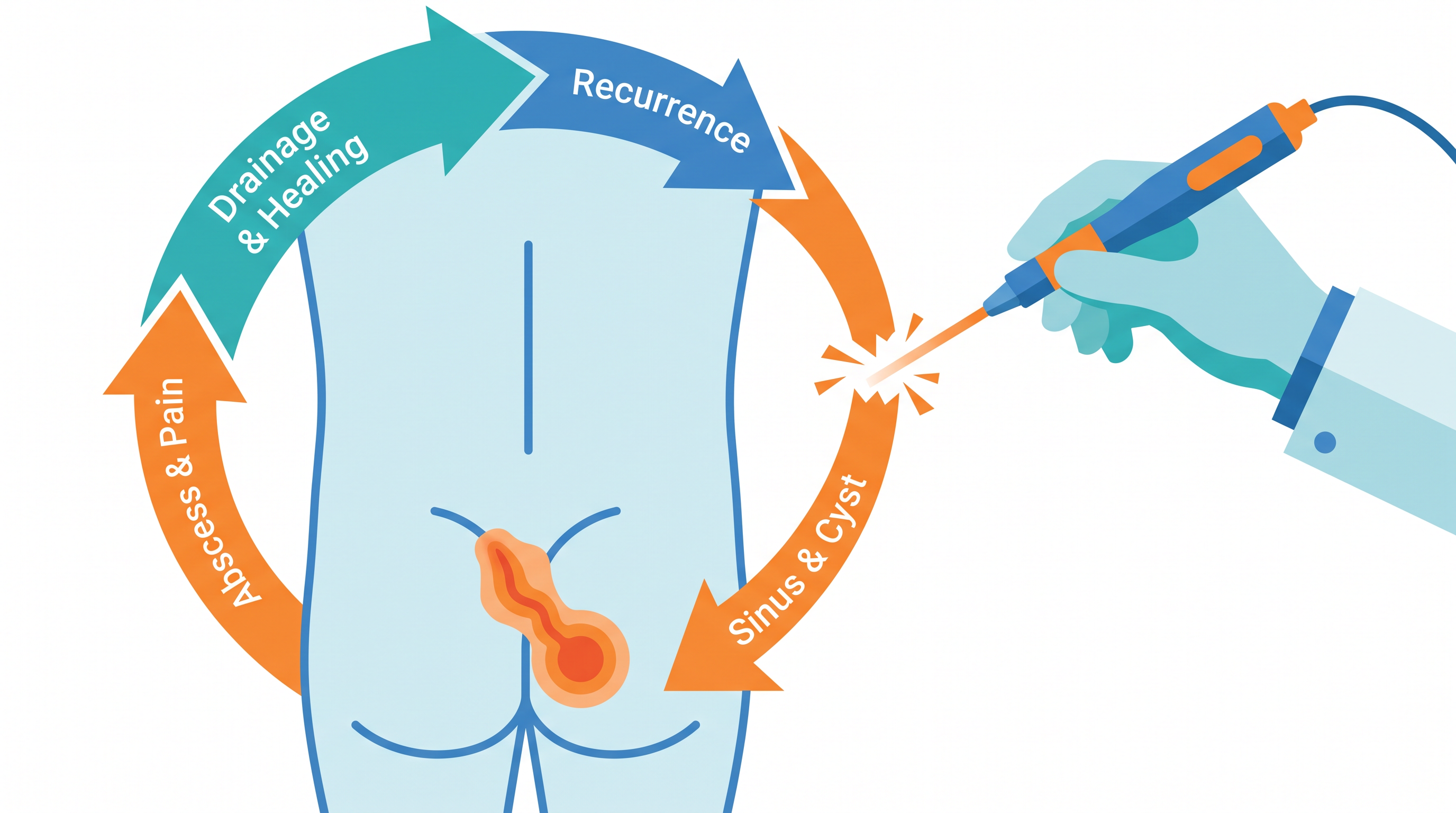
Pilonidal sinus disease is a common condition affecting the skin in the cleft of the buttocks, often characterized by a small hole or tunnel that can become infected, leading to pain, swelling, and discharge. It's a condition that can significantly impact daily life, causing discomfort and embarrassment. For many years, traditional surgical methods were the primary approach to treatment. However, advancements in medical technology have introduced less invasive and often more effective alternatives, with laser treatment emerging as a superior option.
Dr. Adarsh M Patil, a highly experienced pilonidal sinus specialist in Bangalore with over 25 years of experience (KMC Reg: 53728, MS FMAS), has witnessed firsthand the evolution of pilonidal sinus treatment. His extensive expertise allows him to provide patients with the most advanced and effective care, often recommending laser treatment for its numerous benefits.
The Evolution of Pilonidal Sinus Treatment: From Traditional to Laser
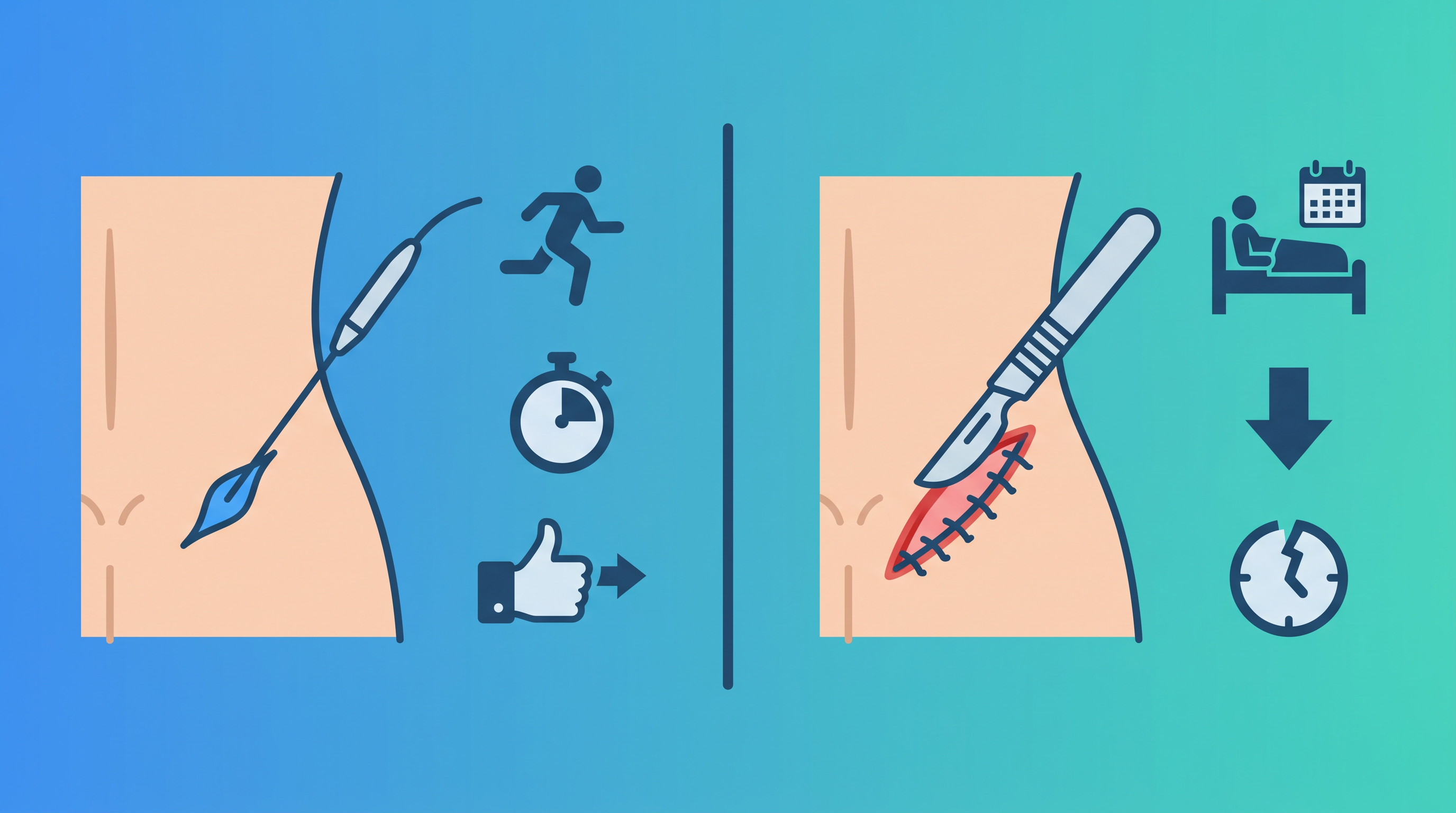
Traditional surgery for pilonidal sinus typically involves excising the affected tissue, which can be a wide and deep incision. While effective in removing the diseased area, this approach often comes with a prolonged and challenging recovery period. Patients frequently face significant pain, extended wound care, and a considerable time away from work or daily activities.
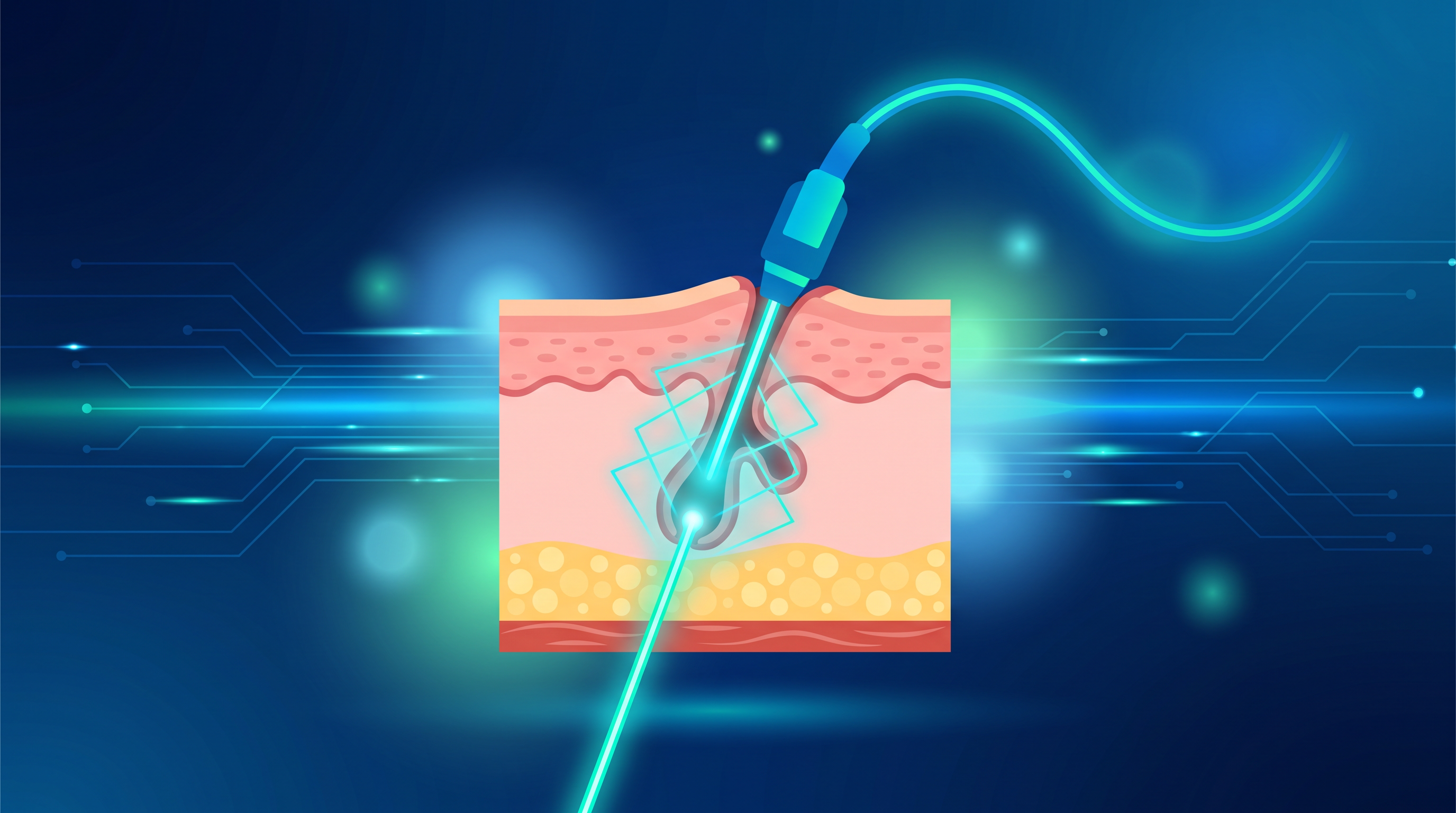
In contrast, laser treatment, such as SiLaT (Sinus Laser Therapy), offers a minimally invasive approach. This technique involves inserting a thin laser fiber into the sinus tract to ablate (destroy) the infected tissue from within. The precision of the laser minimizes damage to surrounding healthy tissue, leading to a host of advantages for the patient.
Key Advantages of Laser Treatment Over Traditional Surgery
Let's delve into the specific areas where laser treatment demonstrates clear superiority:
1. Recovery Time: Getting Back to Life Faster
One of the most significant concerns for patients undergoing any surgical procedure is the recovery period. Traditional pilonidal sinus surgery often necessitates several weeks, or even months, for complete healing. This can involve daily wound dressing changes, restricted movement, and a substantial impact on personal and professional life.
Laser treatment dramatically reduces this recovery time. Studies and clinical observations, including those by specialists like Dr. Adarsh M Patil, show that patients experience a much faster return to normal activities. Many can resume light activities within a few days and are back to their routine within 1-2 weeks. This is largely due to the smaller wound size and less tissue disruption [1].
2. Pain Levels: A More Comfortable Experience
Postoperative pain is a major deterrent for many considering surgery. Traditional open excisions can result in considerable pain, requiring strong pain medication for an extended period. The large wound can be tender and sensitive, making sitting and moving difficult.
With laser treatment, patients report significantly lower pain levels. The minimally invasive nature of the procedure means less trauma to the tissues, translating to reduced discomfort during the healing phase. Many patients manage their pain with over-the-counter medication or mild prescription pain relievers for a short duration [2].
3. Recurrence Rates: A More Lasting Solution
The fear of recurrence is a common anxiety for individuals with pilonidal sinus disease. Traditional surgical methods, despite their invasiveness, can still have recurrence rates ranging from 10-30% [3]. Factors like incomplete removal of the sinus tract or poor wound healing can contribute to this.
Laser ablation has shown promising results in reducing recurrence rates. While some studies indicate varying figures, many report lower recurrence rates compared to traditional methods, with some as low as 3.8-7.6% [4]. The precise targeting of the laser helps ensure thorough destruction of the sinus lining, minimizing the chances of the disease returning.
4. Scarring: A More Aesthetic Outcome
Traditional surgery often leaves a noticeable scar, sometimes quite large, in a sensitive area. This can be a source of self-consciousness and discomfort for patients.
Laser treatment, by its very nature, results in minimal scarring. The small entry points for the laser fiber heal with much less visible scarring, offering a more aesthetic outcome. This is a significant advantage, particularly for younger patients.
5. Cost-Effectiveness: A Smarter Investment in Health
While the upfront cost of laser treatment might sometimes appear comparable to traditional surgery, it's crucial to consider the overall cost-effectiveness. When factoring in:
- Reduced hospital stay: Laser procedures often allow for same-day discharge or very short hospital stays, unlike traditional surgery which might require several days [1].
- Faster return to work: The quicker recovery means less time off work, translating to fewer lost wages.
- Lower medication costs: Reduced pain often means less need for expensive prescription pain relievers.
- Fewer follow-up visits and wound care supplies: The simpler healing process reduces the need for frequent clinic visits and specialized wound care materials.
When all these factors are considered, laser treatment often proves to be a more cost-effective solution in the long run.
6. Patient Satisfaction: A Happier, Healthier You
Ultimately, patient satisfaction is a key indicator of treatment success. The combination of faster recovery, less pain, minimal scarring, and lower recurrence rates contributes to significantly higher patient satisfaction with laser treatment. Patients report being very satisfied with the operation and the overall experience [5]. The ability to quickly return to normal life without the burden of a painful, slow-healing wound greatly enhances their quality of life.
Practical Patient-Focused Advice
If you're experiencing symptoms of pilonidal sinus, it's natural to feel anxious. Here's some practical advice:
- Don't delay seeking help: Early diagnosis and treatment can prevent the condition from worsening.
- Research your options: Understand the different treatment modalities available.
- Consult a specialist: An experienced surgeon like Dr. Adarsh M Patil can accurately diagnose your condition and recommend the most appropriate treatment plan tailored to your needs.
- Ask questions: Don't hesitate to ask your doctor about recovery times, potential risks, and expected outcomes for both traditional and laser approaches.
Why Choose Dr. Adarsh M Patil for Your Pilonidal Sinus Treatment?
With 25+ years of dedicated experience in treating pilonidal sinus disease, Dr. Adarsh M Patil is a trusted name in Bangalore. His commitment to utilizing advanced techniques, including state-of-the-art laser treatment, ensures that his patients receive the best possible care. Dr. Patil's approach focuses on not just treating the disease but also on ensuring a comfortable recovery and long-term well-being for his patients. His deep understanding of the condition and mastery of minimally invasive procedures make him an ideal choice for those seeking effective and compassionate care.
Conclusion: Laser as the First-Line Treatment
The evidence overwhelmingly supports laser treatment as a superior option for pilonidal sinus disease when compared to traditional surgery. Its advantages in terms of faster recovery, reduced pain, lower recurrence rates, minimal scarring, and overall patient satisfaction make a compelling case for its consideration as a first-line treatment. As medical science continues to advance, embracing less invasive and more patient-friendly approaches is paramount.
Take the Next Step Towards Relief
If you are suffering from pilonidal sinus disease and are exploring your treatment options, we encourage you to schedule a consultation with Dr. Adarsh M Patil. His expertise and the advanced laser treatment options available can provide you with the lasting relief you deserve. Contact us today to learn more and take the first step towards a healthier, pain-free future.
References
[1] Jazi, K. (2025). Future of pilonidal cyst surgery: a comparative review of ... - PMC. PMC. Retrieved from https://pmc.ncbi.nlm.nih.gov/articles/PMC12529851/ [2] Alferink, M. (n.d.). Pilonidal Disease Laser Therapy: Short Term Results of an ... Surgery Research Journal. Retrieved from https://www.surgeryresearchjournal.com/open-access/pilonidal-disease-laser-therapy-short-term-results-of-an-observational-5273.pdf [3] Darnis, B. (2025). Management of pilonidal sinus and recurrences in 2025. ScienceDirect. Retrieved from https://www.sciencedirect.com/science/article/abs/pii/S1878788624001887 [4] Pilonidal Sinus Treatment Bangalore - Laser & Surgery. (2026, June 22). pilonidalsinusbangalore.in. Retrieved from https://pilonidalsinusbangalore.in/blog/why-laser-treatment-for-pilonidal-sinus-is-superior-to-traditional-surgery [5] Li, Z. (2023). An effective and considerable treatment of pilonidal sinus ... PMC. Retrieved from https://pmc.ncbi.nlm.nih.gov/articles/PMC9977879/