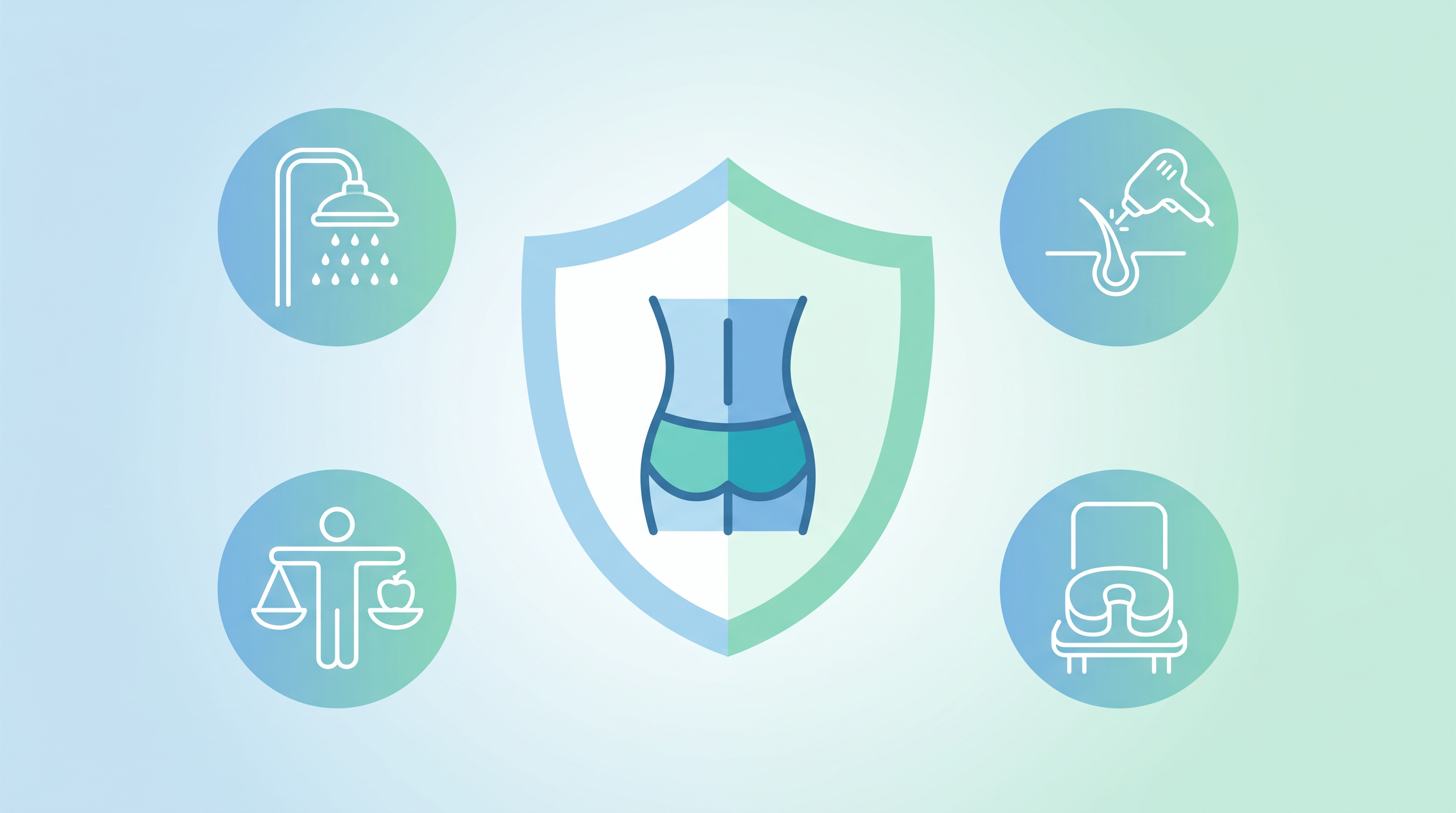
is particularly relevant here.
Gradual Return to Activity:
- Listen to Your Body: After treatment, follow your surgeon's advice on when to resume physical activities. A gradual return is always best.
- Avoid Prolonged Sitting: If your job requires long hours of sitting, take frequent breaks to stand, stretch, and walk around. Consider using a donut cushion or a specialized pilonidal cushion to relieve pressure on the tailbone area.
- Choose Appropriate Exercise: While exercise is vital for overall health, some activities can put undue pressure or cause friction in the gluteal cleft. High-impact activities, prolonged cycling, or rowing might need to be approached with caution or modified. Swimming and walking are generally excellent, low-impact options.
- Proper Attire: Wear loose-fitting, breathable clothing, especially during exercise, to reduce friction and allow air circulation.
Dr. Adarsh M Patil emphasizes the importance of understanding your body's limits and making smart choices about physical activity to support healing and prevent future issues.
Weight Management: Reducing Pressure and Friction
Excess weight can contribute to deeper gluteal clefts, increased sweating, and greater friction, all of which heighten the risk of pilonidal sinus recurrence. Maintaining a healthy weight is beneficial for overall health and plays a significant role in prevention.
Strategies for Healthy Weight:
- Balanced Diet: Focus on a diet rich in fruits, vegetables, lean proteins, and whole grains.
- Regular Exercise: Combine cardiovascular activities with strength training, always keeping in mind the activity modifications discussed above.
- Consult a Professional: If you struggle with weight management, consider consulting a nutritionist or a fitness expert for personalized guidance.
Adhering to Your Follow-Up Schedule
Regular follow-up appointments with your surgeon are critical. These appointments allow your doctor to monitor your healing, check for any early signs of recurrence, and provide ongoing advice.
What to Expect During Follow-Ups:
- Wound Assessment: Your surgeon will examine the treated area to ensure proper healing.
- Discussion of Symptoms: You'll have the opportunity to discuss any concerns or new symptoms you might be experiencing.
- Personalized Advice: Dr. Patil and his team provide tailored recommendations based on your recovery progress and lifestyle.
Recognizing Warning Signs of Recurrence
Being vigilant and knowing what to look for can help you address potential recurrence early, often leading to simpler and more effective intervention.
Signs to Watch For:
- Pain or Discomfort: Any new or returning pain, tenderness, or aching in the tailbone area.
- Swelling or Redness: Inflammation around the gluteal cleft.
- Discharge: Any pus, blood, or clear fluid draining from the area.
- New Opening: The appearance of a new pit or opening in the skin.
- Fever: In some cases, a fever might indicate an infection.
If you notice any of these warning signs, do not delay. Contact your doctor immediately. Early detection is key to managing recurrence effectively.
The Path to Long-Term Wellness
Preventing pilonidal sinus recurrence is an ongoing commitment, but it's a commitment that pays off in comfort and peace of mind. By diligently following these guidelines—focusing on hair management, hygiene, mindful activity, weight control, and regular medical check-ups—you significantly reduce your risk.
Dr. Adarsh M Patil and his dedicated team are here to support you every step of the way. With 25+ years of experience, KMC Reg: 53728, MS FMAS, Dr. Patil's clinic is a trusted resource for comprehensive pilonidal sinus care in Bangalore.
Take the Next Step Towards Lasting Health
If you have concerns about pilonidal sinus recurrence or wish to discuss a personalized prevention plan, don't hesitate to reach out. Schedule a consultation with Dr. Adarsh M Patil today to ensure your long-term well-being. Your health is our priority.