Pilonidal Sinus: Your Most Common Questions Answered
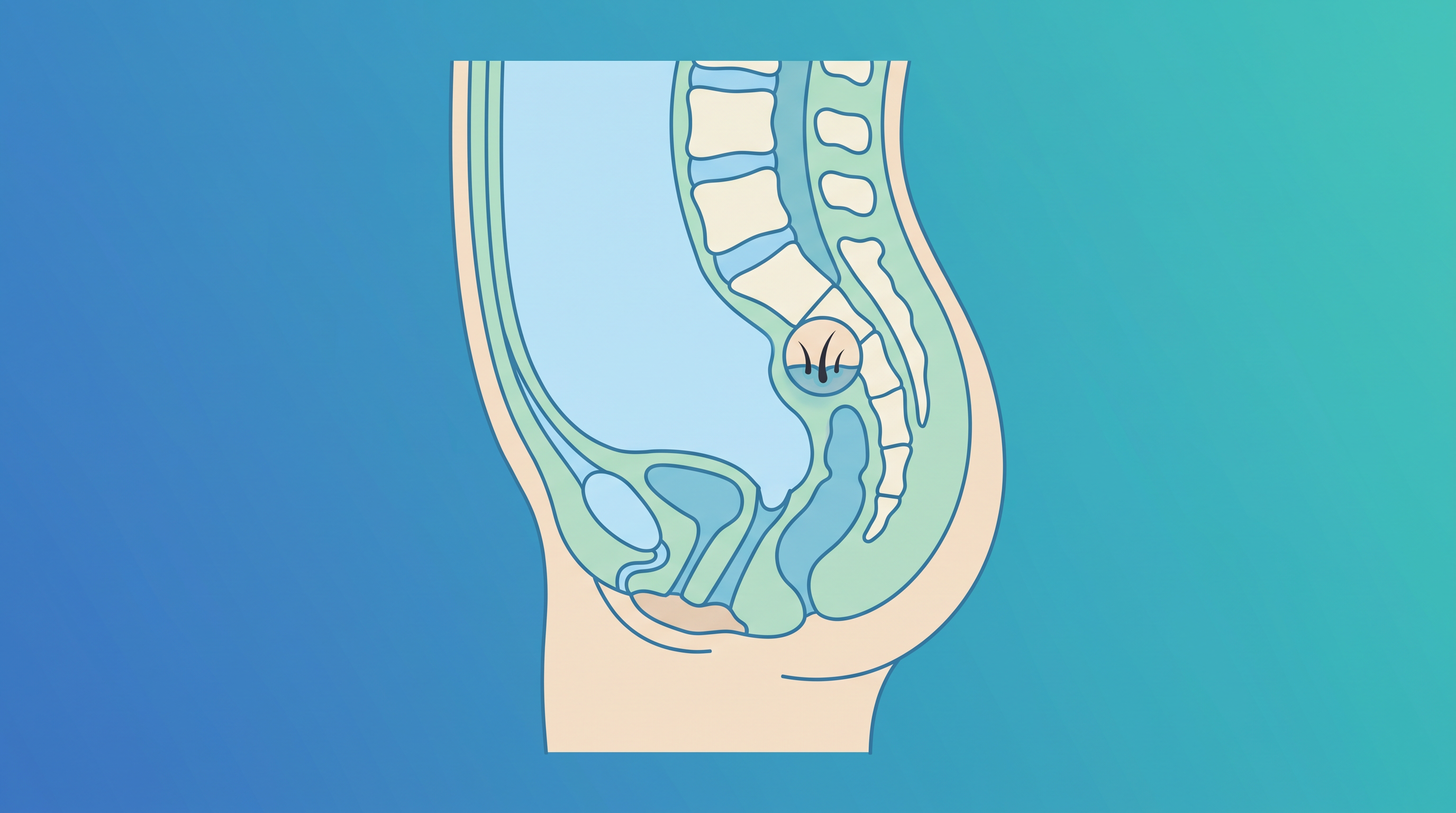
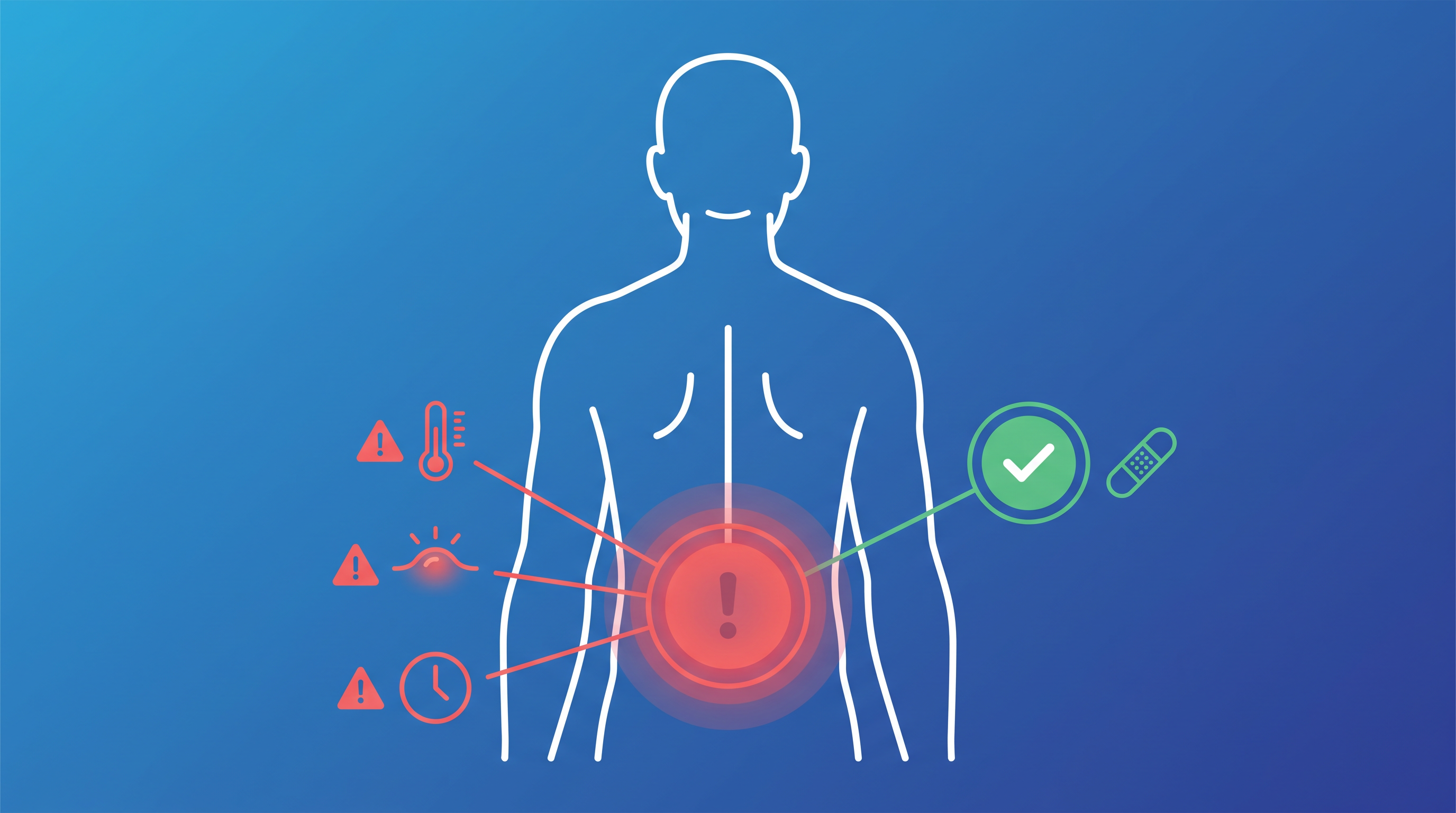
Q1: What is pilonidal sinus? A small tunnel or channel in the skin at the top of the cleft between the buttocks. When infected, it causes pain, swelling, and discharge.
Q2: Is pilonidal sinus the same as a pilonidal cyst? Yes — these terms are used interchangeably.
Q3: What causes pilonidal sinus? Loose hairs that penetrate the skin of the natal cleft, driven by friction and pressure from sitting.
Q4: Is pilonidal sinus contagious? No. It cannot be passed from person to person.
Q5: Can pilonidal sinus heal on its own? Rarely. Without treatment, infections recur with increasing frequency.
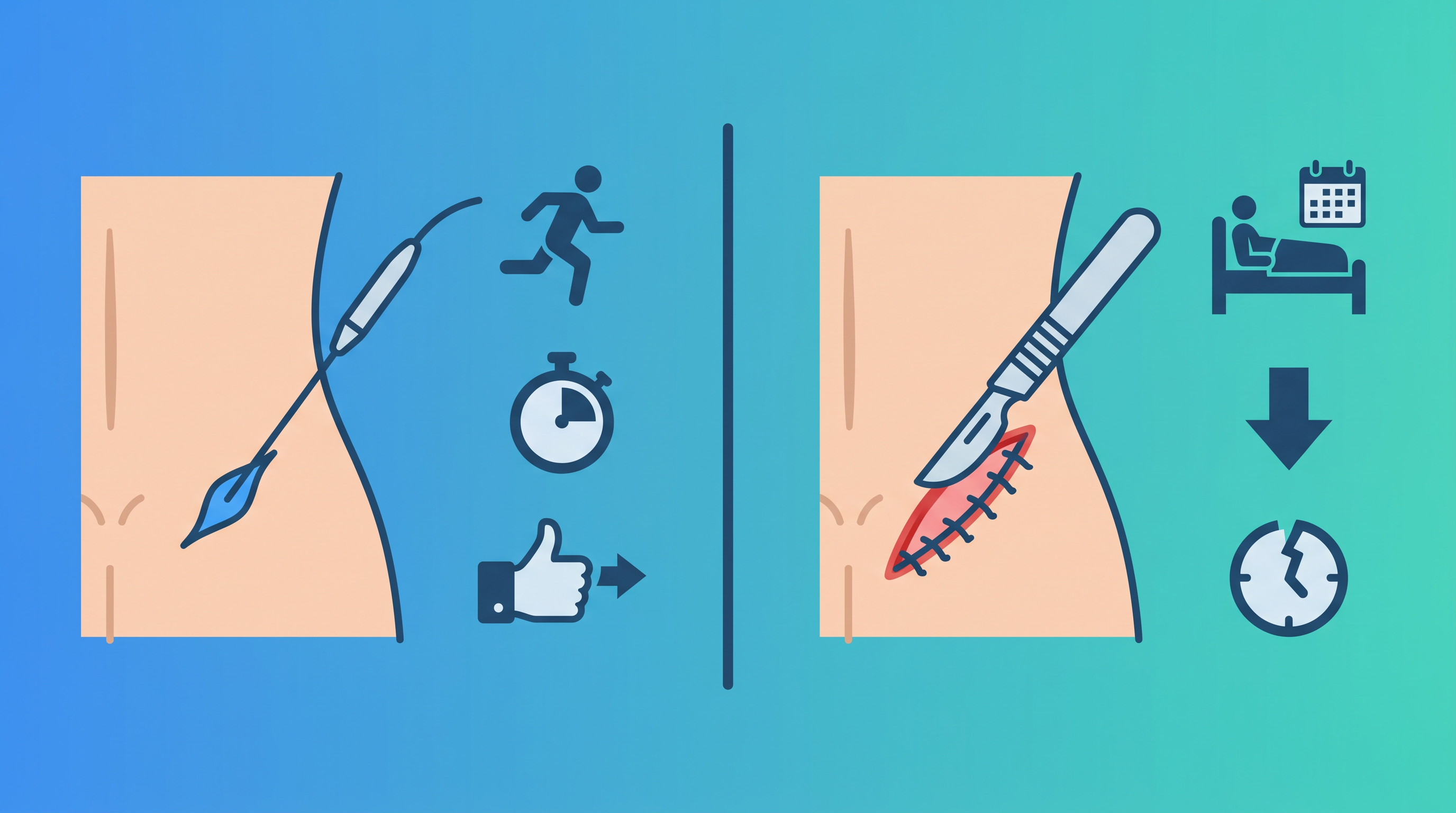
Q6: What are the treatment options? Laser treatment (FiLaC/SiLaC): individualised care, 1–5% recurrence. Open surgery: individualised care, 5–15% recurrence. Flap surgery: individualised care, 2–5% recurrence.
Q7: Which treatment is best? For most patients, laser treatment is the best option — same success rate as open surgery but dramatically faster recovery.
Q8: How long does the procedure take? Laser: 20–40 minutes. Open surgery: 30–60 minutes. Flap surgery: 45–90 minutes.
Q9: Is the procedure painful? Performed under anaesthesia — no pain during the procedure. Post-laser pain is mild (2–3/10).
Q10: How long is the recovery? Laser: desk work in 3–5 days, full recovery 2–4 weeks. Open surgery: desk work 2–4 weeks, full recovery 4–8 weeks.
Q11: Can pilonidal sinus come back? Yes, but recurrence rates are low: laser 1–5%, flap 2–5%, open 5–15%.
Q12: How much does treatment cost in Bangalore? Laser: ₹50,000–₹80,000. Open surgery: ₹40,000–₹70,000. Flap surgery: ₹80,000–₹1,50,000. Zero-cost EMI available.
Q13: Is it covered by health insurance? Yes — most health insurance plans cover pilonidal sinus treatment.
Q14: Do I need to be admitted to hospital? Laser: No — day-care. Open surgery: 1–2 nights. Flap surgery: 2–3 nights.
Q15: Can I drive after the procedure? After laser: from Day 3. After open surgery: from Week 2–3.
Q16: When can I return to the gym? After laser: light exercise from Week 2; full gym from Week 3–4.
Q17: Is pilonidal sinus more common in men? Yes — 3–4 times more common in men, but it does affect women.
Q18: Can children get pilonidal sinus? Rare before puberty. Most common in teenagers and young adults (15–35 years).
Q19: What happens if I don't treat it? Infections recur with increasing frequency; multiple sinus tracts develop; quality of life is significantly impacted.
Q20: How do I book a consultation? Call +91 80889 87384 or use the online booking form. Teleconsultation available. Appointments typically within 48 hours.