Pilonidal Sinus Infection: Recognising and Responding
A pilonidal sinus infection — specifically a pilonidal abscess — is a medical emergency that requires prompt treatment.
Signs of Pilonidal Sinus Infection
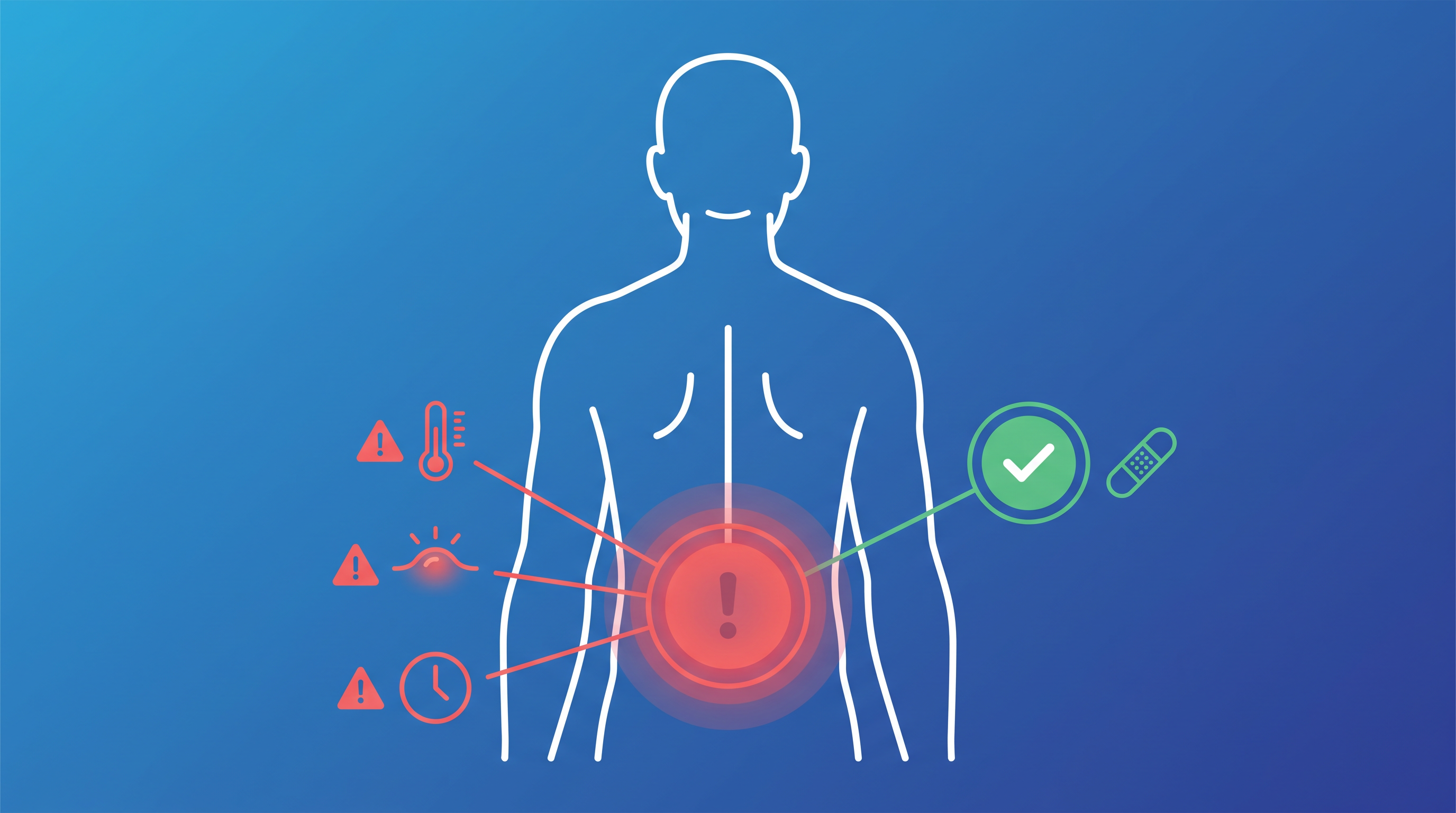
Early Signs (Seek Urgent Appointment)
- Increasing pain at the top of the natal cleft
- Swelling and redness developing over 1–2 days
- Mild fever (37.5–38°C)
Signs of Established Abscess (Seek Emergency Care)
- Severe, throbbing pain
- Tense, fluctuant swelling
- High fever (above 38.5°C)
- Inability to sit due to pain
Signs Requiring Immediate Emergency Care
- Fever above 39°C with severe pain
- Rapidly spreading redness (cellulitis)
- Signs of sepsis: confusion, rapid breathing, very low blood pressure
What Happens at the Emergency Department
- Assessment and blood tests
- Incision and drainage (I&D) under local anaesthesia
- Wound packing
- Antibiotics if cellulitis is present
- Follow-up arranged for definitive treatment
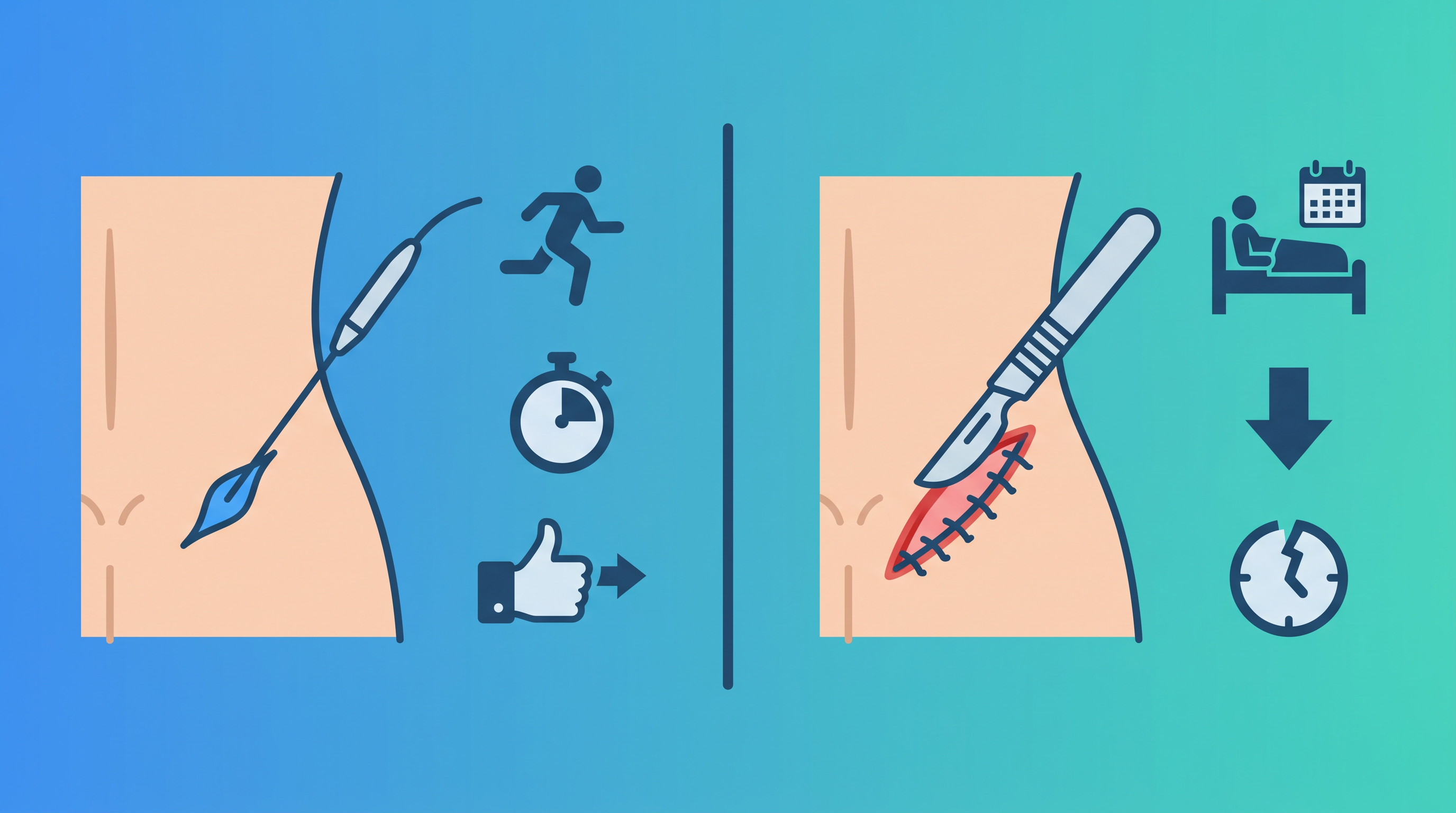
Important: I&D is not a cure. Definitive surgery (laser or open) is required 6–8 weeks later.
Can Antibiotics Cure a Pilonidal Abscess?
No. The pus collection must be drained. Antibiotics are used only as an adjunct.
Contact Dr Adarsh Patil's clinic immediately if you suspect a pilonidal abscess — same-day appointments available for urgent cases.