Can Pilonidal Sinus Come Back After Treatment?
Yes — pilonidal sinus can recur after treatment. However, with the right surgical technique and post-operative prevention measures, recurrence rates can be reduced to under 5%.
Recurrence Rates by Treatment Type
| Treatment | 1-Year Recurrence | 5-Year Recurrence |
|---|---|---|
| Laser (FiLaC/SiLaC) | 1–5% | 3–8% |
| Closed excision | 5–10% | 10–20% |
| Open excision | 10–15% | 15–25% |
| Flap surgery | 2–5% | 5–10% |
Why Does Pilonidal Sinus Recur?
Recurrence occurs when the underlying cause — hair penetrating the natal cleft skin — is not addressed. Common causes: incomplete removal of the sinus tract, failure to address hair, deep natal cleft, prolonged sitting, weight gain.
Evidence-Based Prevention Strategies
1. Laser Hair Removal (Most Effective)
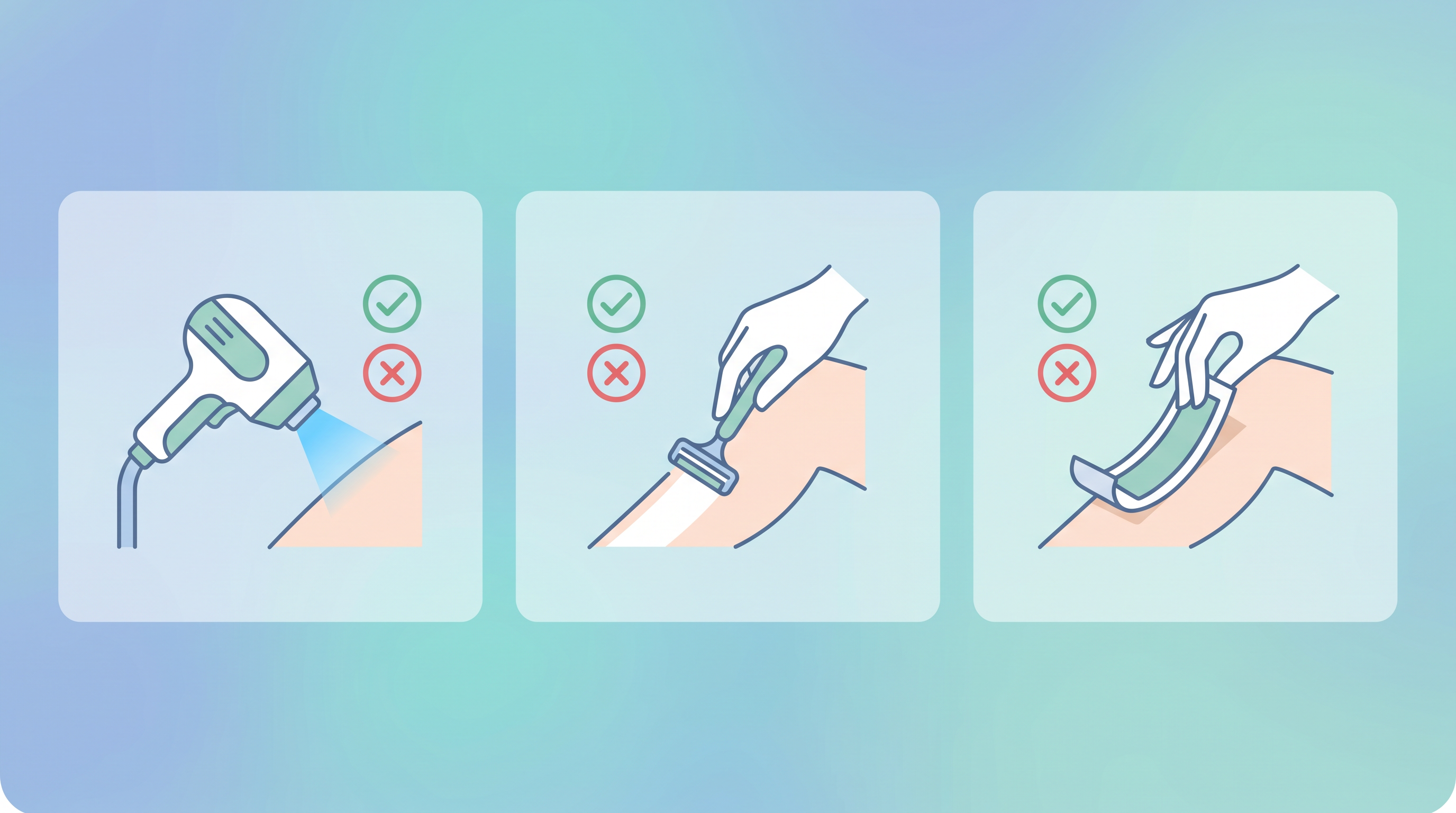
Permanent laser hair removal of the natal cleft area reduces recurrence to under 2%. Begin 4–6 weeks after wound healing; 6–8 sessions at 4–6 week intervals.
2. Regular Shaving
If laser is not available, shave the natal cleft area every 1–2 weeks.
3. Posture and Ergonomics
Use a donut cushion; take regular breaks from sitting; maintain good posture.
4. Weight Management
Maintaining a healthy BMI reduces the depth of the natal cleft.
5. Follow-Up Appointments
Regular follow-up allows early detection of any new pit formation.
Book a follow-up consultation if you are concerned about recurrence.