What is Pilonidal Sinus?
A pilonidal sinus is a small tunnel or channel that forms in the skin, usually at the top of the cleft between the buttocks (the natal cleft). It often contains hair, skin debris, and bacteria. When it becomes infected, it can cause significant pain, swelling, and discharge.
The word "pilonidal" comes from the Latin words pilus (hair) and nidus (nest) — literally meaning a "nest of hair."
Who Gets Pilonidal Sinus?
Pilonidal sinus affects approximately 26 per 100,000 people per year, with a strong preference for:
- Young adults aged 15–35 (peak incidence in the mid-20s)
- Males (3–4 times more common than in females)
- People who sit for long periods — IT professionals, drivers, students
- People with coarse, thick body hair
What Causes Pilonidal Sinus?
The most widely accepted theory is the acquired theory: loose hairs in the natal cleft area are driven into the skin by friction and pressure from sitting. Contributing factors include prolonged sitting, coarse or curly hair, sweating, and obesity.
Symptoms of Pilonidal Sinus
Uninfected: A small dimple or pit at the top of the natal cleft. No pain.
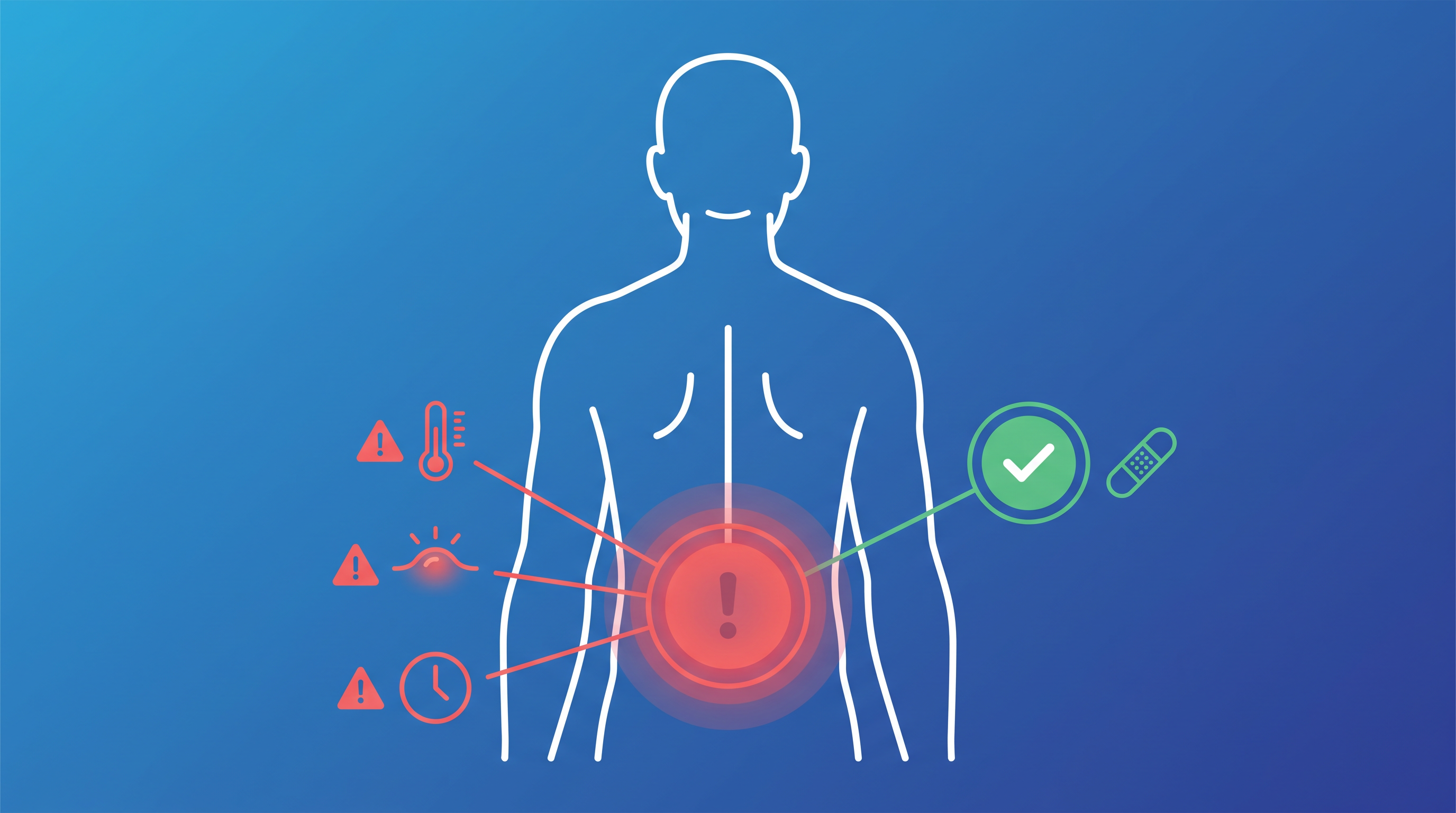
Infected (acute abscess): Sudden onset of severe pain, swelling, redness, and warmth. A tender lump forms and may discharge pus or blood.
Chronic sinus: Recurring episodes of mild pain and discharge.
Treatment Options
| Treatment | Best For | Recovery | Success Rate |
|---|---|---|---|
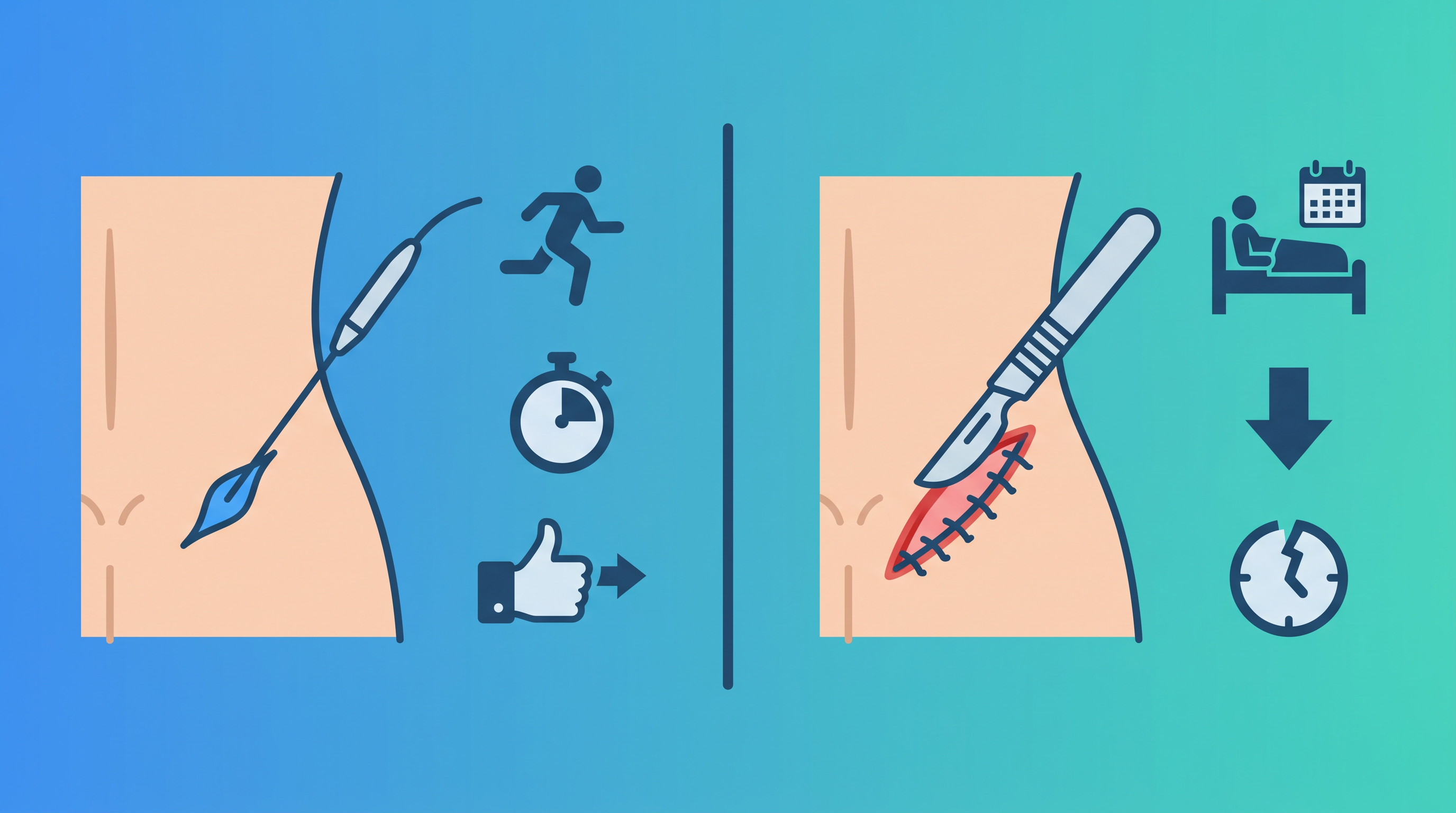
| Laser (FiLaC/SiLaC) | First-time and recurrent cases | 1–2 weeks | 99% |
| Open Surgery | Complex or multi-tract disease | 2–4 weeks | 99% |
| Flap Surgery | Recurrent cases, large defects | 2–3 weeks | 97% |
When Should You See a Doctor?
Seek medical attention if you notice a painful lump or swelling at the top of your buttock crease, discharge of pus or blood, or recurring pain in the same location. Early consultation leads to simpler, less invasive treatment.
Book a free consultation with Dr Adarsh M Patil to discuss your symptoms and the best treatment option.