Optimizing Recovery: Diet and Nutrition After Pilonidal Sinus Surgery
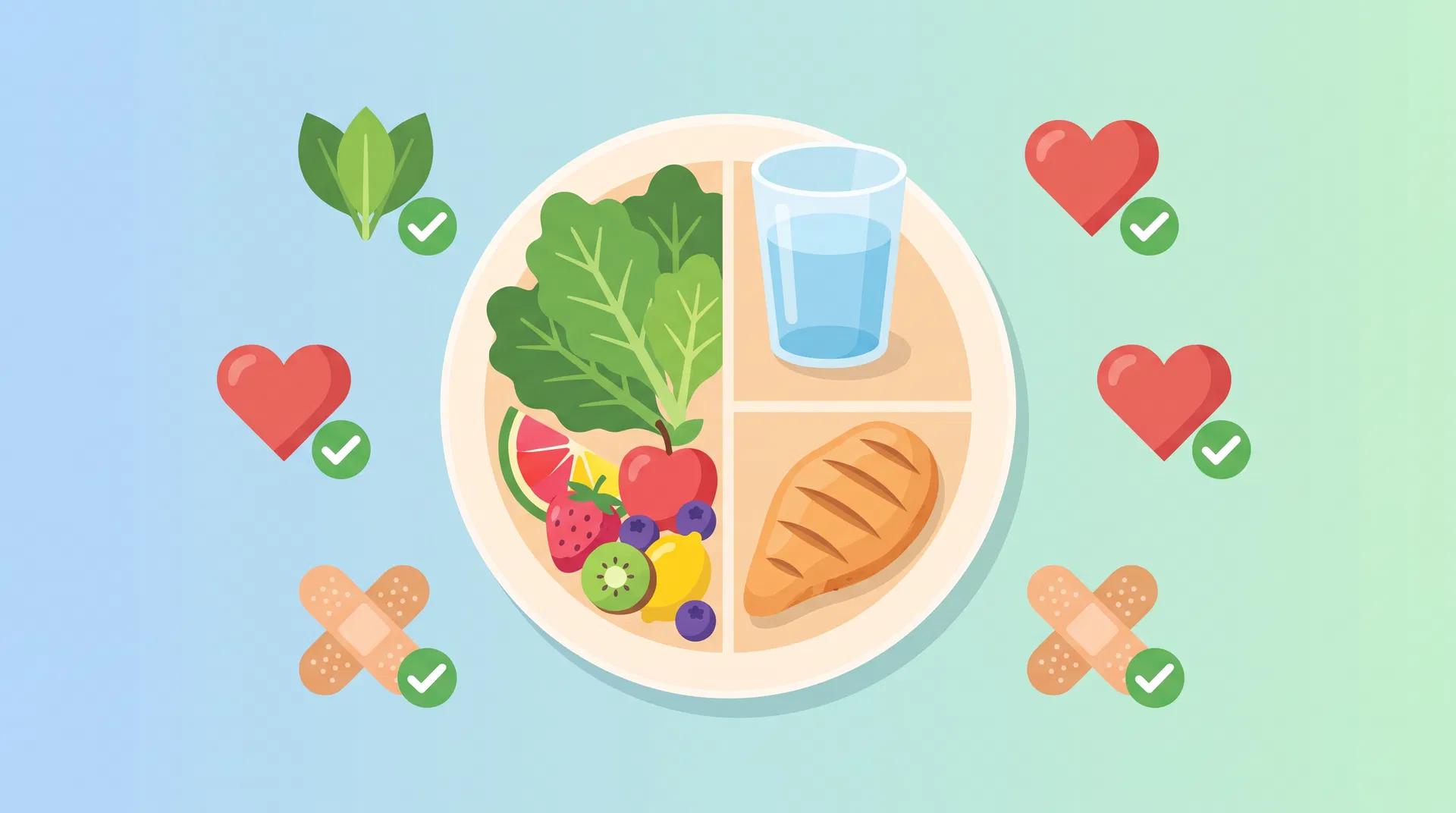
A nutritious diet significantly accelerates wound healing after pilonidal sinus surgery. Prioritize protein (chicken, fish, eggs, lentils), vitamin C (citrus, bell peppers), zinc (nuts, seeds), and adequate hydration. Avoid constipation-causing foods as straining can stress the surgical wound. Avoid alcohol and smoking as they impair healing.
What you eat after pilonidal sinus surgery directly affects how quickly and completely your wound heals. The right nutrition provides the building blocks for tissue repair, supports immune function, and prevents complications like constipation that can stress the wound. This guide covers the optimal diet for recovery.
When to Contact Your Surgeon
🚨 Contact Dr. Adarsh M. Patil immediately if you are unable to eat, have persistent vomiting, or notice signs of wound infection after surgery.
Seek urgent care if you have:
- •Inability to eat or drink
- •Persistent vomiting
- •Signs of wound infection (fever, increasing pain, foul discharge)
In Bangalore: Call 108 for emergencies or visit your nearest hospital.
Why Nutrition Matters After Pilonidal Sinus Surgery
After surgery, your body enters an intensive healing phase that requires significantly more nutrients than normal. The wound healing process involves:
1. Inflammation phase (Days 1-3): Immune cells clear debris and bacteria
2. Proliferation phase (Days 4-21): New tissue forms to fill the wound
3. Remodeling phase (Weeks 3-12): Scar tissue strengthens
Each phase requires specific nutrients to proceed optimally.
Key Nutrients for Wound Healing
#Protein: The Building Block
Protein is essential for tissue repair and immune function. Aim for 1.2-1.5g per kg of body weight daily during recovery.
Best sources:
- Chicken, turkey, fish
- Eggs and dairy
- Lentils, chickpeas, kidney beans
- Paneer and tofu
- Nuts and seeds
#Vitamin C: Collagen Synthesis
Vitamin C is essential for collagen production, the main structural protein in skin and connective tissue.
Best sources:
- Citrus fruits (oranges, lemon, amla)
- Bell peppers (capsicum)
- Guava
- Tomatoes
- Broccoli
#Zinc: Immune Support
Zinc supports immune function and wound healing. Deficiency is associated with delayed healing.
Best sources:
- Pumpkin seeds
- Cashews and almonds
- Chickpeas and lentils
- Whole grains
#Iron: Oxygen Transport
Iron is needed for hemoglobin production, which carries oxygen to healing tissues.
Best sources:
- Spinach, methi (fenugreek)
- Lentils and beans
- Lean red meat (in moderation)
- Fortified cereals
#Vitamin A: Tissue Repair
Vitamin A supports skin cell production and immune function.
Best sources:
- Carrots, sweet potato
- Leafy greens
- Eggs
Foods to Avoid After Surgery
#Constipation-Causing Foods
Straining during bowel movements puts pressure on the surgical wound and can disrupt healing:
- Avoid refined flour (maida) products
- Limit red meat and processed foods
- Reduce dairy if you are prone to constipation
#Alcohol
Alcohol impairs wound healing by:
- Reducing immune function
- Interfering with medication
- Causing dehydration
#Smoking
Smoking significantly impairs wound healing by reducing oxygen delivery to tissues. Dr. Adarsh M. Patil strongly advises against smoking during recovery.
Hydration
Adequate hydration is essential for wound healing and preventing constipation:
- Aim for 2.5-3 liters of water daily
- Include coconut water, buttermilk, and fresh juices
- Avoid sugary drinks and excessive caffeine
Sample Recovery Meal Plan
Breakfast: Oats with nuts and fruits + a glass of orange juice
Mid-morning: A handful of almonds + amla juice
Lunch: Dal rice or roti with sabzi + curd
Evening snack: Boiled eggs or paneer + a fruit
Dinner: Grilled chicken or fish + vegetables + dal
Contact Dr. Adarsh M. Patil
For personalized post-operative care advice, contact Dr. Adarsh M. Patil at Apollo Clinic Indiranagar, Bangalore (KMC Reg: 53728, +91 9972446882).
#
Protein: The Building Block
Protein is essential for tissue repair and immune function. Aim for 1.2-1.5g per kg of body weight daily during recovery.
Best sources:
- Chicken, turkey, fish
- Eggs and dairy
- Lentils, chickpeas, kidney beans
- Paneer and tofu
- Nuts and seeds
#Vitamin C: Collagen Synthesis
Vitamin C is essential for collagen production, the main structural protein in skin and connective tissue.
Best sources:
- Citrus fruits (oranges, lemon, amla)
- Bell peppers (capsicum)
- Guava
- Tomatoes
- Broccoli
#Zinc: Immune Support
Zinc supports immune function and wound healing. Deficiency is associated with delayed healing.
Best sources:
- Pumpkin seeds
- Cashews and almonds
- Chickpeas and lentils
- Whole grains
#Iron: Oxygen Transport
Iron is needed for hemoglobin production, which carries oxygen to healing tissues.
Best sources:
- Spinach, methi (fenugreek)
- Lentils and beans
- Lean red meat (in moderation)
- Fortified cereals
#Vitamin A: Tissue Repair
Vitamin A supports skin cell production and immune function.
Best sources:
- Carrots, sweet potato
- Leafy greens
- Eggs
Foods to Avoid After Surgery
#Constipation-Causing Foods
Straining during bowel movements puts pressure on the surgical wound and can disrupt healing:
- Avoid refined flour (maida) products
- Limit red meat and processed foods
- Reduce dairy if you are prone to constipation
#Alcohol
Alcohol impairs wound healing by:
- Reducing immune function
- Interfering with medication
- Causing dehydration
#Smoking
Smoking significantly impairs wound healing by reducing oxygen delivery to tissues. Dr. Adarsh M. Patil strongly advises against smoking during recovery.
Hydration
Adequate hydration is essential for wound healing and preventing constipation:
- Aim for 2.5-3 liters of water daily
- Include coconut water, buttermilk, and fresh juices
- Avoid sugary drinks and excessive caffeine
Sample Recovery Meal Plan
Breakfast: Oats with nuts and fruits + a glass of orange juice
Mid-morning: A handful of almonds + amla juice
Lunch: Dal rice or roti with sabzi + curd
Evening snack: Boiled eggs or paneer + a fruit
Dinner: Grilled chicken or fish + vegetables + dal
Contact Dr. Adarsh M. Patil
For personalized post-operative care advice, contact Dr. Adarsh M. Patil at Apollo Clinic Indiranagar, Bangalore (KMC Reg: 53728, +91 9972446882).
Vitamin C is essential for collagen production, the main structural protein in skin and connective tissue.
Best sources:
- Citrus fruits (oranges, lemon, amla)
- Bell peppers (capsicum)
- Guava
- Tomatoes
- Broccoli
#
Zinc: Immune Support
Zinc supports immune function and wound healing. Deficiency is associated with delayed healing.
Best sources:
- Pumpkin seeds
- Cashews and almonds
- Chickpeas and lentils
- Whole grains
#Iron: Oxygen Transport
Iron is needed for hemoglobin production, which carries oxygen to healing tissues.
Best sources:
- Spinach, methi (fenugreek)
- Lentils and beans
- Lean red meat (in moderation)
- Fortified cereals
#Vitamin A: Tissue Repair
Vitamin A supports skin cell production and immune function.
Best sources:
- Carrots, sweet potato
- Leafy greens
- Eggs
Foods to Avoid After Surgery
#Constipation-Causing Foods
Straining during bowel movements puts pressure on the surgical wound and can disrupt healing:
- Avoid refined flour (maida) products
- Limit red meat and processed foods
- Reduce dairy if you are prone to constipation
#Alcohol
Alcohol impairs wound healing by:
- Reducing immune function
- Interfering with medication
- Causing dehydration
#Smoking
Smoking significantly impairs wound healing by reducing oxygen delivery to tissues. Dr. Adarsh M. Patil strongly advises against smoking during recovery.
Hydration
Adequate hydration is essential for wound healing and preventing constipation:
- Aim for 2.5-3 liters of water daily
- Include coconut water, buttermilk, and fresh juices
- Avoid sugary drinks and excessive caffeine
Sample Recovery Meal Plan
Breakfast: Oats with nuts and fruits + a glass of orange juice
Mid-morning: A handful of almonds + amla juice
Lunch: Dal rice or roti with sabzi + curd
Evening snack: Boiled eggs or paneer + a fruit
Dinner: Grilled chicken or fish + vegetables + dal
Contact Dr. Adarsh M. Patil
For personalized post-operative care advice, contact Dr. Adarsh M. Patil at Apollo Clinic Indiranagar, Bangalore (KMC Reg: 53728, +91 9972446882).
Iron is needed for hemoglobin production, which carries oxygen to healing tissues.
Best sources:
- Spinach, methi (fenugreek)
- Lentils and beans
- Lean red meat (in moderation)
- Fortified cereals
#
Vitamin A: Tissue Repair
Vitamin A supports skin cell production and immune function.
Best sources:
- Carrots, sweet potato
- Leafy greens
- Eggs
Foods to Avoid After Surgery
#Constipation-Causing Foods
Straining during bowel movements puts pressure on the surgical wound and can disrupt healing:
- Avoid refined flour (maida) products
- Limit red meat and processed foods
- Reduce dairy if you are prone to constipation
#Alcohol
Alcohol impairs wound healing by:
- Reducing immune function
- Interfering with medication
- Causing dehydration
#Smoking
Smoking significantly impairs wound healing by reducing oxygen delivery to tissues. Dr. Adarsh M. Patil strongly advises against smoking during recovery.
Hydration
Adequate hydration is essential for wound healing and preventing constipation:
- Aim for 2.5-3 liters of water daily
- Include coconut water, buttermilk, and fresh juices
- Avoid sugary drinks and excessive caffeine
Sample Recovery Meal Plan
Breakfast: Oats with nuts and fruits + a glass of orange juice
Mid-morning: A handful of almonds + amla juice
Lunch: Dal rice or roti with sabzi + curd
Evening snack: Boiled eggs or paneer + a fruit
Dinner: Grilled chicken or fish + vegetables + dal
Contact Dr. Adarsh M. Patil
For personalized post-operative care advice, contact Dr. Adarsh M. Patil at Apollo Clinic Indiranagar, Bangalore (KMC Reg: 53728, +91 9972446882).
#
Constipation-Causing Foods
Straining during bowel movements puts pressure on the surgical wound and can disrupt healing:
- Avoid refined flour (maida) products
- Limit red meat and processed foods
- Reduce dairy if you are prone to constipation
#Alcohol
Alcohol impairs wound healing by:
- Reducing immune function
- Interfering with medication
- Causing dehydration
#Smoking
Smoking significantly impairs wound healing by reducing oxygen delivery to tissues. Dr. Adarsh M. Patil strongly advises against smoking during recovery.
Hydration
Adequate hydration is essential for wound healing and preventing constipation:
- Aim for 2.5-3 liters of water daily
- Include coconut water, buttermilk, and fresh juices
- Avoid sugary drinks and excessive caffeine
Sample Recovery Meal Plan
Breakfast: Oats with nuts and fruits + a glass of orange juice
Mid-morning: A handful of almonds + amla juice
Lunch: Dal rice or roti with sabzi + curd
Evening snack: Boiled eggs or paneer + a fruit
Dinner: Grilled chicken or fish + vegetables + dal
Contact Dr. Adarsh M. Patil
For personalized post-operative care advice, contact Dr. Adarsh M. Patil at Apollo Clinic Indiranagar, Bangalore (KMC Reg: 53728, +91 9972446882).
Alcohol impairs wound healing by:
- Reducing immune function
- Interfering with medication
- Causing dehydration
#
Smoking
Smoking significantly impairs wound healing by reducing oxygen delivery to tissues. Dr. Adarsh M. Patil strongly advises against smoking during recovery.
Hydration
Adequate hydration is essential for wound healing and preventing constipation:
- Aim for 2.5-3 liters of water daily
- Include coconut water, buttermilk, and fresh juices
- Avoid sugary drinks and excessive caffeine
Sample Recovery Meal Plan
Breakfast: Oats with nuts and fruits + a glass of orange juice
Mid-morning: A handful of almonds + amla juice
Lunch: Dal rice or roti with sabzi + curd
Evening snack: Boiled eggs or paneer + a fruit
Dinner: Grilled chicken or fish + vegetables + dal
Contact Dr. Adarsh M. Patil
For personalized post-operative care advice, contact Dr. Adarsh M. Patil at Apollo Clinic Indiranagar, Bangalore (KMC Reg: 53728, +91 9972446882).
Adequate hydration is essential for wound healing and preventing constipation:
- Aim for 2.5-3 liters of water daily
- Include coconut water, buttermilk, and fresh juices
- Avoid sugary drinks and excessive caffeine
Sample Recovery Meal Plan
Breakfast: Oats with nuts and fruits + a glass of orange juice
Mid-morning: A handful of almonds + amla juice
Lunch: Dal rice or roti with sabzi + curd
Evening snack: Boiled eggs or paneer + a fruit
Dinner: Grilled chicken or fish + vegetables + dal
Contact Dr. Adarsh M. Patil
For personalized post-operative care advice, contact Dr. Adarsh M. Patil at Apollo Clinic Indiranagar, Bangalore (KMC Reg: 53728, +91 9972446882).
For personalized post-operative care advice, contact Dr. Adarsh M. Patil at Apollo Clinic Indiranagar, Bangalore (KMC Reg: 53728, +91 9972446882).
Medical References & Sources
- [1]Nutrition and wound healing. NHS, 2023. View source ↗
- [2]Dietary factors in surgical wound healing. PubMed, 2022. View source ↗
Dr. Adarsh M. Patil
MS, FMAS — Pilonidal Sinus Specialist, Bangalore
Consult Dr. Adarsh M. Patil — Pilonidal Sinus Specialist
Discuss laser and surgical options, likely recovery, costs, and next steps after an individual assessment.