
Hair Removal for Pilonidal Sinus Prevention: Laser, Shaving, and Waxing Compared
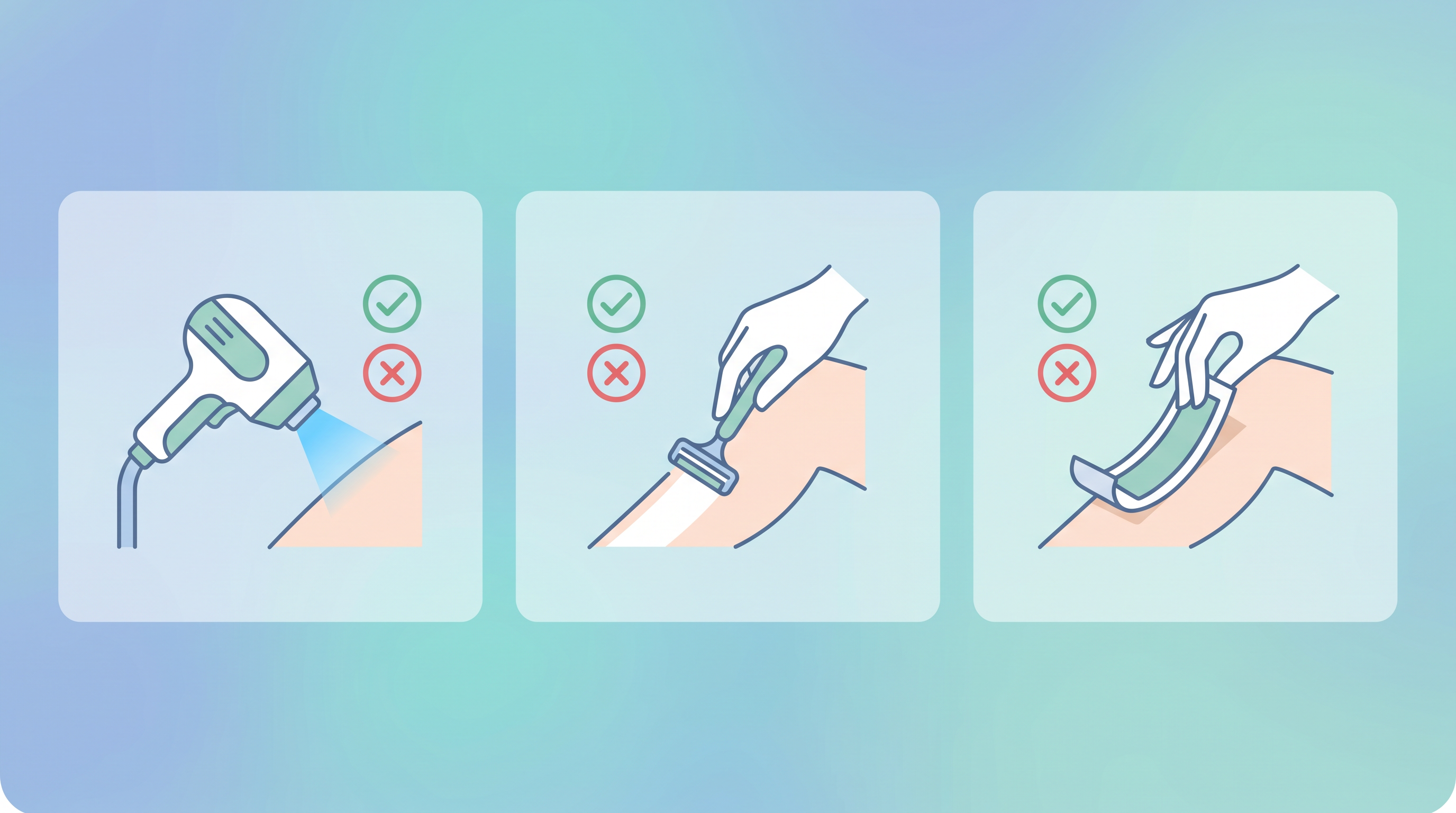
Regular hair removal from the natal cleft is the single most effective way to prevent pilonidal sinus and its recurrence. Laser hair removal offers permanent results and is the gold standard. Shaving every 2-3 weeks is the most practical short-term option. Waxing is effective but can cause ingrown hairs. Depilatory creams are a gentle alternative to shaving.
Hair removal from the natal cleft (the crease between the buttocks) is the cornerstone of pilonidal sinus prevention and post-treatment care. Dr. Adarsh M. Patil at Apollo Clinic Indiranagar, Bangalore recommends regular hair removal to all patients. This guide compares all available methods to help you choose the best option.
When to See a Doctor
🚨 If hair removal causes skin irritation, infection, or worsens your pilonidal sinus symptoms, stop the method and consult Dr. Adarsh M. Patil.
Seek urgent care if you have:
- •Signs of skin infection after hair removal (redness, swelling, pus)
- •Worsening pilonidal sinus symptoms after hair removal
In Bangalore: Call 108 for emergencies or visit your nearest hospital.
Why Hair Removal Prevents Pilonidal Sinus
Pilonidal sinus disease is caused by loose hairs penetrating the skin in the natal cleft. The mechanism:
1. Loose hairs (shed from the back, buttocks, or scalp) accumulate in the natal cleft
2. Friction from sitting and movement drives these hairs into the skin
3. The body's immune response to the foreign hair creates a sinus tract
4. Bacteria colonize the tract, leading to infection and abscess
By removing hair regularly, you eliminate the primary cause of the condition.
Method 1: Laser Hair Removal
How it works: Laser energy targets the melanin in hair follicles, permanently destroying them.
Effectiveness: Permanent reduction of 80-95% of hair growth after 6-8 sessions
Best for: Long-term prevention, post-surgery maintenance, patients with recurrent disease
Pros:
- Permanent results
- No ingrown hairs
- No ongoing maintenance after completion
- Reduces recurrence risk significantly
Cons:
- Higher upfront cost (₹5,000-15,000 per session)
- Requires 6-8 sessions over 6-12 months
- Some discomfort during treatment
- Not suitable for very light or grey hair
Dr. Adarsh M. Patil's recommendation: Laser hair removal is the gold standard for patients who have had pilonidal sinus surgery or have recurrent disease.
Method 2: Shaving
How it works: A razor removes hair at the skin surface.
Effectiveness: Effective for 2-3 weeks per session
Best for: Regular maintenance, cost-conscious patients, immediate prevention
Pros:
- Inexpensive
- Can be done at home
- Immediate results
- No special equipment needed
Cons:
- Must be repeated every 2-3 weeks
- Risk of razor cuts in a sensitive area
- Stubble regrowth may cause irritation
- Requires flexibility to reach the area
Tips for safe shaving:
- Use a clean, sharp razor
- Shave in the direction of hair growth
- Use shaving gel or cream
- Moisturize after shaving
- Replace razors frequently
Method 3: Waxing
How it works: Wax adheres to hair and removes it from the root.
Effectiveness: Effective for 3-6 weeks per session
Best for: Patients who prefer longer intervals between sessions
Pros:
- Longer-lasting than shaving
- Finer regrowth
- Removes hair from the root
Cons:
- Can cause ingrown hairs (counterproductive for pilonidal sinus prevention)
- Painful
- Requires professional application in the natal cleft area
- Risk of skin irritation
Important: Waxing can occasionally cause ingrown hairs, which is the exact mechanism of pilonidal sinus formation. Use with caution.
Method 4: Depilatory Creams
How it works: Chemical creams dissolve the hair shaft at the skin surface.
Effectiveness: Similar to shaving (2-3 weeks)
Best for: Patients who find shaving difficult or uncomfortable
Pros:
- No razor required
- Gentle on skin
- Easy to apply
- No ingrown hairs
Cons:
- Chemical smell
- Possible skin sensitivity/allergy
- Must test on small area first
- Cannot be used on broken or irritated skin
Comparison Summary
| Method | Duration | Cost | Ingrown Hair Risk | Permanence |
|--------|----------|------|-------------------|------------|
| Laser | Permanent | High | None | Yes |
| Shaving | 2-3 weeks | Low | Low | No |
| Waxing | 3-6 weeks | Medium | Moderate | No |
| Depilatory cream | 2-3 weeks | Low | None | No |
Dr. Adarsh M. Patil's Recommendation
For patients who have had pilonidal sinus surgery or have recurrent disease, laser hair removal is strongly recommended. For patients managing the condition conservatively or maintaining prevention, shaving every 2-3 weeks is the most practical option.
Consult Dr. Adarsh M. Patil at Apollo Clinic Indiranagar, Bangalore (KMC Reg: 53728, +91 9972446882) for personalized advice on hair removal as part of your pilonidal sinus management plan.
How it works: Laser energy targets the melanin in hair follicles, permanently destroying them.
Effectiveness: Permanent reduction of 80-95% of hair growth after 6-8 sessions
Best for: Long-term prevention, post-surgery maintenance, patients with recurrent disease
Pros:
- Permanent results
- No ingrown hairs
- No ongoing maintenance after completion
- Reduces recurrence risk significantly
Cons:
- Higher upfront cost (₹5,000-15,000 per session)
- Requires 6-8 sessions over 6-12 months
- Some discomfort during treatment
- Not suitable for very light or grey hair
Dr. Adarsh M. Patil's recommendation: Laser hair removal is the gold standard for patients who have had pilonidal sinus surgery or have recurrent disease.
Method 2: Shaving
How it works: A razor removes hair at the skin surface.
Effectiveness: Effective for 2-3 weeks per session
Best for: Regular maintenance, cost-conscious patients, immediate prevention
Pros:
- Inexpensive
- Can be done at home
- Immediate results
- No special equipment needed
Cons:
- Must be repeated every 2-3 weeks
- Risk of razor cuts in a sensitive area
- Stubble regrowth may cause irritation
- Requires flexibility to reach the area
Tips for safe shaving:
- Use a clean, sharp razor
- Shave in the direction of hair growth
- Use shaving gel or cream
- Moisturize after shaving
- Replace razors frequently
Method 3: Waxing
How it works: Wax adheres to hair and removes it from the root.
Effectiveness: Effective for 3-6 weeks per session
Best for: Patients who prefer longer intervals between sessions
Pros:
- Longer-lasting than shaving
- Finer regrowth
- Removes hair from the root
Cons:
- Can cause ingrown hairs (counterproductive for pilonidal sinus prevention)
- Painful
- Requires professional application in the natal cleft area
- Risk of skin irritation
Important: Waxing can occasionally cause ingrown hairs, which is the exact mechanism of pilonidal sinus formation. Use with caution.
Method 4: Depilatory Creams
How it works: Chemical creams dissolve the hair shaft at the skin surface.
Effectiveness: Similar to shaving (2-3 weeks)
Best for: Patients who find shaving difficult or uncomfortable
Pros:
- No razor required
- Gentle on skin
- Easy to apply
- No ingrown hairs
Cons:
- Chemical smell
- Possible skin sensitivity/allergy
- Must test on small area first
- Cannot be used on broken or irritated skin
Comparison Summary
| Method | Duration | Cost | Ingrown Hair Risk | Permanence |
|--------|----------|------|-------------------|------------|
| Laser | Permanent | High | None | Yes |
| Shaving | 2-3 weeks | Low | Low | No |
| Waxing | 3-6 weeks | Medium | Moderate | No |
| Depilatory cream | 2-3 weeks | Low | None | No |
Dr. Adarsh M. Patil's Recommendation
For patients who have had pilonidal sinus surgery or have recurrent disease, laser hair removal is strongly recommended. For patients managing the condition conservatively or maintaining prevention, shaving every 2-3 weeks is the most practical option.
Consult Dr. Adarsh M. Patil at Apollo Clinic Indiranagar, Bangalore (KMC Reg: 53728, +91 9972446882) for personalized advice on hair removal as part of your pilonidal sinus management plan.
How it works: Wax adheres to hair and removes it from the root.
Effectiveness: Effective for 3-6 weeks per session
Best for: Patients who prefer longer intervals between sessions
Pros:
- Longer-lasting than shaving
- Finer regrowth
- Removes hair from the root
Cons:
- Can cause ingrown hairs (counterproductive for pilonidal sinus prevention)
- Painful
- Requires professional application in the natal cleft area
- Risk of skin irritation
Important: Waxing can occasionally cause ingrown hairs, which is the exact mechanism of pilonidal sinus formation. Use with caution.
Method 4: Depilatory Creams
How it works: Chemical creams dissolve the hair shaft at the skin surface.
Effectiveness: Similar to shaving (2-3 weeks)
Best for: Patients who find shaving difficult or uncomfortable
Pros:
- No razor required
- Gentle on skin
- Easy to apply
- No ingrown hairs
Cons:
- Chemical smell
- Possible skin sensitivity/allergy
- Must test on small area first
- Cannot be used on broken or irritated skin
Comparison Summary
| Method | Duration | Cost | Ingrown Hair Risk | Permanence |
|--------|----------|------|-------------------|------------|
| Laser | Permanent | High | None | Yes |
| Shaving | 2-3 weeks | Low | Low | No |
| Waxing | 3-6 weeks | Medium | Moderate | No |
| Depilatory cream | 2-3 weeks | Low | None | No |
Dr. Adarsh M. Patil's Recommendation
For patients who have had pilonidal sinus surgery or have recurrent disease, laser hair removal is strongly recommended. For patients managing the condition conservatively or maintaining prevention, shaving every 2-3 weeks is the most practical option.
Consult Dr. Adarsh M. Patil at Apollo Clinic Indiranagar, Bangalore (KMC Reg: 53728, +91 9972446882) for personalized advice on hair removal as part of your pilonidal sinus management plan.
| Method | Duration | Cost | Ingrown Hair Risk | Permanence |
|--------|----------|------|-------------------|------------|
| Laser | Permanent | High | None | Yes |
| Shaving | 2-3 weeks | Low | Low | No |
| Waxing | 3-6 weeks | Medium | Moderate | No |
| Depilatory cream | 2-3 weeks | Low | None | No |
Dr. Adarsh M. Patil's Recommendation
For patients who have had pilonidal sinus surgery or have recurrent disease, laser hair removal is strongly recommended. For patients managing the condition conservatively or maintaining prevention, shaving every 2-3 weeks is the most practical option.
Consult Dr. Adarsh M. Patil at Apollo Clinic Indiranagar, Bangalore (KMC Reg: 53728, +91 9972446882) for personalized advice on hair removal as part of your pilonidal sinus management plan.
Medical References & Sources
- [1]Hair removal in pilonidal sinus prevention. PubMed, 2022. View source ↗
- [2]Laser hair removal for pilonidal sinus. Dermatologic Surgery, 2021. View source ↗

Dr. Adarsh M. Patil
MS, FMAS — Pilonidal Sinus Specialist, Bangalore
Consult Dr. Adarsh M. Patil — Pilonidal Sinus Specialist
Discuss laser and surgical options, likely recovery, costs, and next steps after an individual assessment.