Pilonidal Sinus in Teenagers and Young Adults: What Parents Need to Know
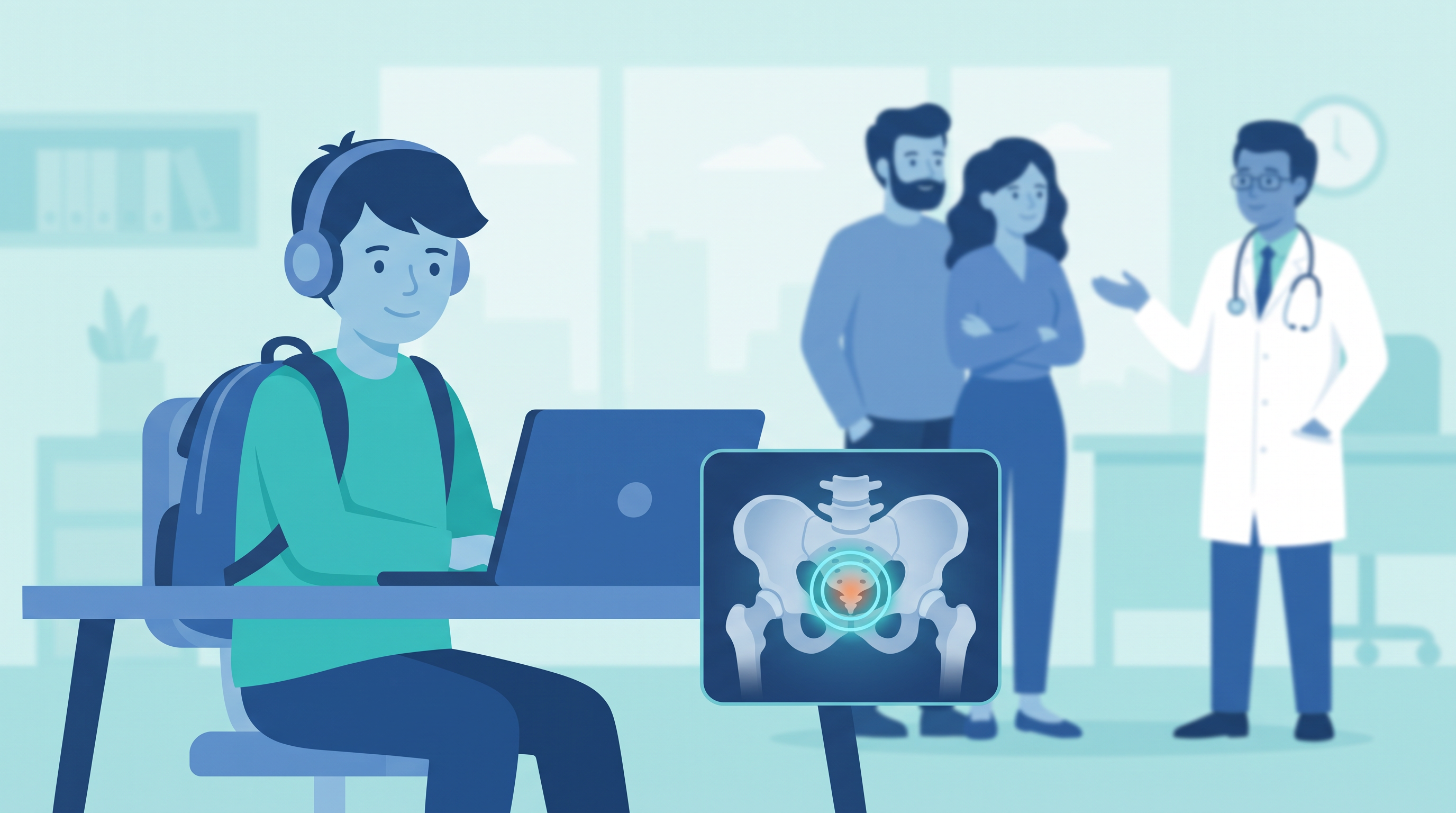
Pilonidal sinus most commonly affects teenagers and young adults aged 15-30. Hormonal changes, increased hair growth, and sedentary lifestyles during school and college years are key risk factors. Early diagnosis and treatment are crucial to prevent chronic disease. Parents should watch for tailbone pain, swelling, or discharge in their children.
Pilonidal sinus disease predominantly affects young people between the ages of 15 and 30, making it a significant concern for teenagers and their parents. Understanding the condition, recognizing early symptoms, and seeking timely treatment can prevent years of chronic suffering. This guide is designed to help parents navigate pilonidal sinus in their children.
When to See a Doctor
🚨 Take your teenager to the emergency room if they have severe pain, high fever, or a rapidly enlarging, very tender swelling — this indicates an acute abscess needing urgent drainage.
Seek urgent care if you have:
- •Severe pain preventing sitting or walking
- •High fever (above 38.5°C)
- •Rapidly enlarging painful swelling
- •Significant pus discharge
In Bangalore: Call 108 for emergencies or visit your nearest hospital.
Why Teenagers Are Most Affected
Pilonidal sinus disease has a peak incidence in the late teenage years and early twenties. Several factors explain this:
- Hormonal Changes: Puberty triggers increased hair growth and changes in skin oil production
- Sedentary Lifestyle: Long hours sitting at school, college, or gaming increases pressure on the natal cleft
- Physical Activity: Sports like cycling and horse riding can cause friction in the area
- Body Hair: Coarse, dark body hair that develops during puberty is more prone to penetrating the skin
Recognizing Symptoms in Your Teenager
Parents should watch for these warning signs:
- Tailbone Pain: Your child complains of pain when sitting, especially during long car rides or at school
- Swelling: A noticeable lump or swelling above the buttock cleft
- Discharge: Staining on underwear from pus or blood discharge
- Embarrassment: Teenagers may be reluctant to discuss symptoms in this sensitive area
- Fever: In cases of acute abscess, fever may accompany local symptoms
The Importance of Early Treatment
Many teenagers delay seeking help due to embarrassment, and many parents are unaware of the condition. This delay often leads to:
- Acute abscess formation requiring emergency drainage
- Development of complex multi-tract disease
- Chronic recurrent infections affecting school attendance and quality of life
- More extensive surgery becoming necessary
Treatment Options for Young Patients
Dr. Adarsh M. Patil at Apollo Clinic Indiranagar, Bangalore (KMC Reg: 53728, +91 9972446882) recommends age-appropriate treatment:
#For Mild Cases
- Strict hygiene protocol
- Regular hair removal from the natal cleft
- Avoiding prolonged sitting; using a donut cushion at school
#For Active Disease
- Laser Treatment (FiLaC): Ideal for teenagers as it is minimally invasive, has a 1-2 week recovery, and allows quick return to school/college
- Pit Picking: A minor procedure suitable for simple cases
#For Complex or Recurrent Cases
- Flap surgery (Karydakis or Limberg) provides the lowest recurrence rates
Prevention Tips for Teenagers
- Maintain good hygiene in the natal cleft area
- Perform regular hair removal every 2-3 weeks
- Take breaks from prolonged sitting every 30-45 minutes
- Wear loose-fitting cotton clothing
- Maintain a healthy body weight
A Note for Parents
Approach the topic sensitively. Reassure your teenager that pilonidal sinus is a common, treatable medical condition — not a reflection of poor hygiene. Early consultation with a specialist like Dr. Adarsh M. Patil will lead to the best outcomes.
Parents should watch for these warning signs:
- Tailbone Pain: Your child complains of pain when sitting, especially during long car rides or at school
- Swelling: A noticeable lump or swelling above the buttock cleft
- Discharge: Staining on underwear from pus or blood discharge
- Embarrassment: Teenagers may be reluctant to discuss symptoms in this sensitive area
- Fever: In cases of acute abscess, fever may accompany local symptoms
The Importance of Early Treatment
Many teenagers delay seeking help due to embarrassment, and many parents are unaware of the condition. This delay often leads to:
- Acute abscess formation requiring emergency drainage
- Development of complex multi-tract disease
- Chronic recurrent infections affecting school attendance and quality of life
- More extensive surgery becoming necessary
Treatment Options for Young Patients
Dr. Adarsh M. Patil at Apollo Clinic Indiranagar, Bangalore (KMC Reg: 53728, +91 9972446882) recommends age-appropriate treatment:
#For Mild Cases
- Strict hygiene protocol
- Regular hair removal from the natal cleft
- Avoiding prolonged sitting; using a donut cushion at school
#For Active Disease
- Laser Treatment (FiLaC): Ideal for teenagers as it is minimally invasive, has a 1-2 week recovery, and allows quick return to school/college
- Pit Picking: A minor procedure suitable for simple cases
#For Complex or Recurrent Cases
- Flap surgery (Karydakis or Limberg) provides the lowest recurrence rates
Prevention Tips for Teenagers
- Maintain good hygiene in the natal cleft area
- Perform regular hair removal every 2-3 weeks
- Take breaks from prolonged sitting every 30-45 minutes
- Wear loose-fitting cotton clothing
- Maintain a healthy body weight
A Note for Parents
Approach the topic sensitively. Reassure your teenager that pilonidal sinus is a common, treatable medical condition — not a reflection of poor hygiene. Early consultation with a specialist like Dr. Adarsh M. Patil will lead to the best outcomes.
Dr. Adarsh M. Patil at Apollo Clinic Indiranagar, Bangalore (KMC Reg: 53728, +91 9972446882) recommends age-appropriate treatment:
#
For Mild Cases
- Strict hygiene protocol
- Regular hair removal from the natal cleft
- Avoiding prolonged sitting; using a donut cushion at school
#For Active Disease
- Laser Treatment (FiLaC): Ideal for teenagers as it is minimally invasive, has a 1-2 week recovery, and allows quick return to school/college
- Pit Picking: A minor procedure suitable for simple cases
#For Complex or Recurrent Cases
- Flap surgery (Karydakis or Limberg) provides the lowest recurrence rates
Prevention Tips for Teenagers
- Maintain good hygiene in the natal cleft area
- Perform regular hair removal every 2-3 weeks
- Take breaks from prolonged sitting every 30-45 minutes
- Wear loose-fitting cotton clothing
- Maintain a healthy body weight
A Note for Parents
Approach the topic sensitively. Reassure your teenager that pilonidal sinus is a common, treatable medical condition — not a reflection of poor hygiene. Early consultation with a specialist like Dr. Adarsh M. Patil will lead to the best outcomes.
- Laser Treatment (FiLaC): Ideal for teenagers as it is minimally invasive, has a 1-2 week recovery, and allows quick return to school/college
- Pit Picking: A minor procedure suitable for simple cases
#
For Complex or Recurrent Cases
- Flap surgery (Karydakis or Limberg) provides the lowest recurrence rates
Prevention Tips for Teenagers
- Maintain good hygiene in the natal cleft area
- Perform regular hair removal every 2-3 weeks
- Take breaks from prolonged sitting every 30-45 minutes
- Wear loose-fitting cotton clothing
- Maintain a healthy body weight
A Note for Parents
Approach the topic sensitively. Reassure your teenager that pilonidal sinus is a common, treatable medical condition — not a reflection of poor hygiene. Early consultation with a specialist like Dr. Adarsh M. Patil will lead to the best outcomes.
- Maintain good hygiene in the natal cleft area
- Perform regular hair removal every 2-3 weeks
- Take breaks from prolonged sitting every 30-45 minutes
- Wear loose-fitting cotton clothing
- Maintain a healthy body weight
A Note for Parents
Approach the topic sensitively. Reassure your teenager that pilonidal sinus is a common, treatable medical condition — not a reflection of poor hygiene. Early consultation with a specialist like Dr. Adarsh M. Patil will lead to the best outcomes.
Medical References & Sources
- [1]Pilonidal Disease in Adolescents. Journal of Pediatric Surgery, 2022. View source ↗
- [2]Pilonidal Sinus Disease Overview. Mayo Clinic, 2023. View source ↗
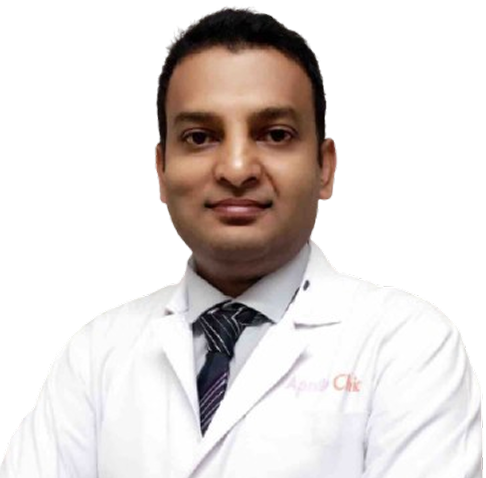
Dr. Adarsh M. Patil
MS, FMAS — Pilonidal Sinus Specialist, Bangalore
Consult Dr. Adarsh M. Patil — Pilonidal Sinus Specialist
Discuss laser and surgical options, likely recovery, costs, and next steps after an individual assessment.