
Pilonidal Sinus Treatment for IT Professionals in Bangalore: A Practical Guide
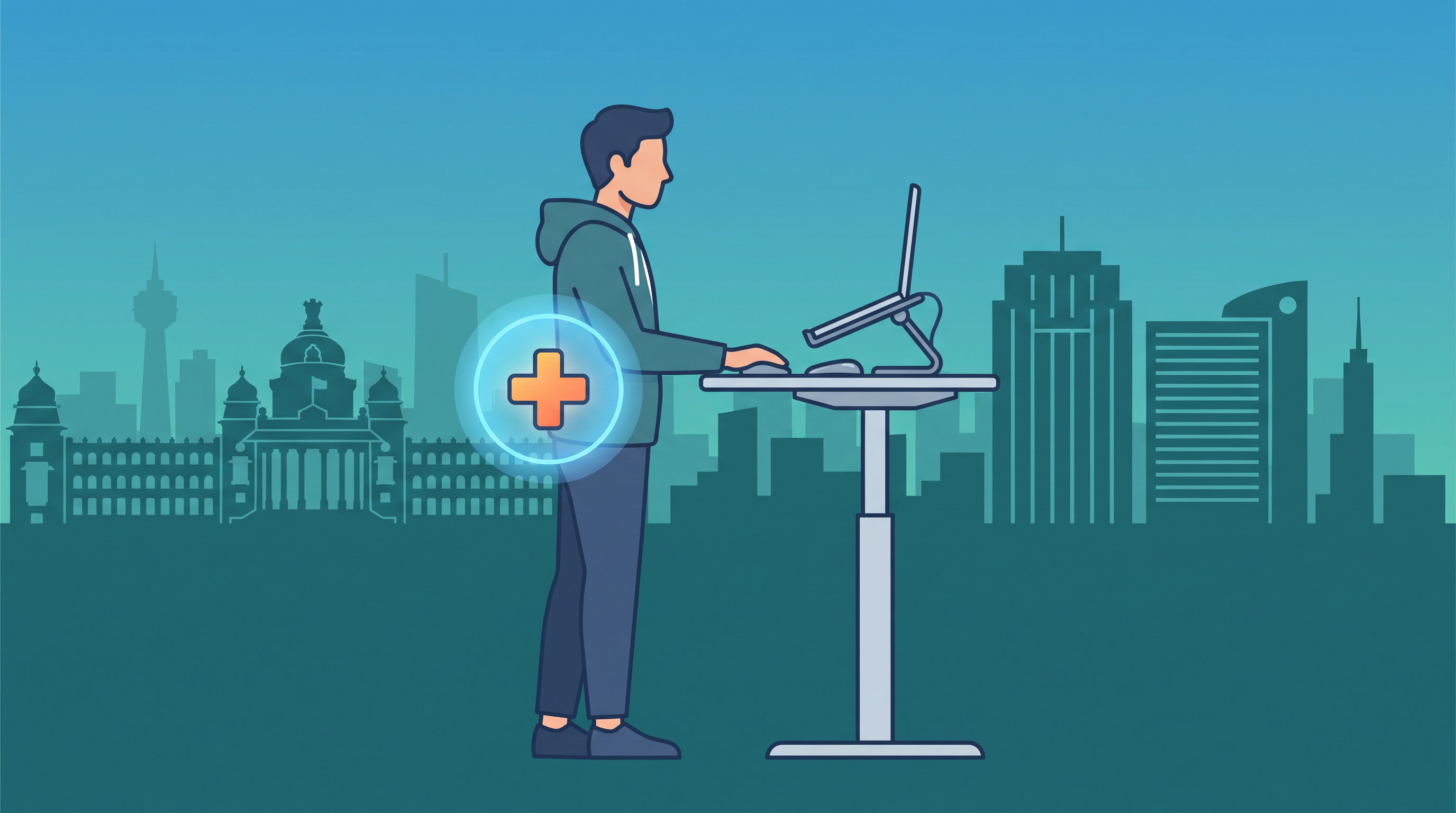
IT professionals in Bangalore face a disproportionately high risk of pilonidal sinus due to long hours of desk sitting. Laser treatment (FiLaC) is ideal for software engineers as it allows return to work within 1-2 weeks with minimal disruption. Dr. Adarsh M. Patil at Apollo Clinic Indiranagar offers flexible appointment scheduling and day-care procedures suited to busy professionals.
Bangalore's booming IT sector means thousands of software engineers, developers, and tech professionals spend 8-10 hours daily at their desks — making them one of the highest-risk groups for pilonidal sinus disease. If you are an IT professional in Bangalore dealing with tailbone pain or pilonidal sinus, this guide is written specifically for you.
When to See Dr. Adarsh M. Patil
🚨 Do not ignore severe tailbone pain, fever, or swelling. These may indicate an acute abscess requiring urgent drainage. Contact Dr. Adarsh M. Patil at +91 9972446882 immediately.
Seek urgent care if you have:
- •Severe pain preventing sitting at your desk
- •Fever above 38°C
- •Rapidly enlarging swelling near tailbone
- •Significant discharge staining clothing
In Bangalore: Call 108 for emergencies or visit your nearest hospital.
Why IT Professionals in Bangalore Are at High Risk
Pilonidal sinus disease, historically called "Jeep disease," is now increasingly common among desk workers. For Bangalore's IT community, the risk factors are significant:
- Extended desk hours: 8-10 hours of continuous sitting is the norm
- Sedentary lifestyle: Limited physical activity during work hours
- High-pressure deadlines: Skipping breaks to meet project deadlines
- Delayed medical attention: Busy schedules lead to ignoring early symptoms
- Work-from-home culture: Even less movement than in office environments
Common Scenarios for IT Professionals
#"I have been having tailbone pain for months but thought it was my chair"
This is the most common presentation. Mild, intermittent tailbone pain is often dismissed as a posture or chair problem. If the pain is specifically in the natal cleft (the crease between the buttocks) and worsens with prolonged sitting, it warrants evaluation.
#"I noticed a small lump and discharge — I am embarrassed to see a doctor"
Embarrassment about the location of the condition is extremely common. Dr. Adarsh M. Patil handles these cases with complete discretion and professionalism. Delaying treatment only makes the condition worse.
#"I cannot afford to take weeks off work for surgery"
This is where laser treatment (FiLaC) is a game-changer for IT professionals. The procedure is done as a day-care (no overnight hospital stay), and most patients return to desk work within 1-2 weeks.
Why Laser Treatment Is Ideal for IT Professionals
| Feature | Laser Treatment (FiLaC) | Open Surgery |
|---------|------------------------|-------------|
| Hospital stay | Day-care (go home same day) | 1-2 days |
| Return to desk work | 1-2 weeks | 3-6 weeks |
| Pain level | Minimal | Moderate |
| Wound care | Simple dressing | Daily dressing changes |
| Success rate | 93-97% | 95-99% |
Practical Guide for IT Professionals
#Before Treatment: Prevention
1. The 30-30 Rule: For every 30 minutes of sitting, stand for 5 minutes
2. Ergonomic cushion: Use a donut or coccyx cushion at your workstation
3. Regular hair removal: Shave the natal cleft every 2-3 weeks
4. Standing desk: Consider a height-adjustable desk
5. Daily hygiene: Shower daily and dry the natal cleft thoroughly
#During Treatment: Minimizing Work Disruption
- Schedule wisely: Book the procedure on a Thursday or Friday to maximize weekend recovery
- Work from home: Most IT jobs allow WFH, enabling earlier return to work
- Ergonomic setup at home: Ensure your home workstation has a proper cushion
- Communicate with your manager: You need not disclose the specific condition; "minor surgical procedure" is sufficient
#After Treatment: Return to Work
- Week 1: Rest at home; light laptop work from a comfortable position is usually fine
- Week 2: Return to desk work (WFH recommended)
- Week 3: Return to office if comfortable
- Week 4+: Resume normal activities including gym
Booking a Consultation
Dr. Adarsh M. Patil at Apollo Clinic Indiranagar, Bangalore offers:
- Flexible appointment times: Including evenings and weekends
- Efficient consultations: Respecting your busy schedule
- Clear treatment plans: So you can plan your work schedule around recovery
- Day-care procedures: No overnight hospital stay required
Contact: +91 9972446882 | Apollo Clinic, Indiranagar, Bangalore | KMC Reg: 53728
Prevention Checklist for IT Professionals
- [ ] Take a 5-minute break every 30 minutes of sitting
- [ ] Use a donut/coccyx cushion at your workstation
- [ ] Shave the natal cleft every 2-3 weeks
- [ ] Shower daily and dry the area thoroughly
- [ ] Wear loose-fitting, breathable cotton underwear
- [ ] Consider a standing desk or desk converter
- [ ] Do not delay seeking medical attention if symptoms develop
#
"I have been having tailbone pain for months but thought it was my chair"
This is the most common presentation. Mild, intermittent tailbone pain is often dismissed as a posture or chair problem. If the pain is specifically in the natal cleft (the crease between the buttocks) and worsens with prolonged sitting, it warrants evaluation.
#"I noticed a small lump and discharge — I am embarrassed to see a doctor"
Embarrassment about the location of the condition is extremely common. Dr. Adarsh M. Patil handles these cases with complete discretion and professionalism. Delaying treatment only makes the condition worse.
#"I cannot afford to take weeks off work for surgery"
This is where laser treatment (FiLaC) is a game-changer for IT professionals. The procedure is done as a day-care (no overnight hospital stay), and most patients return to desk work within 1-2 weeks.
Why Laser Treatment Is Ideal for IT Professionals
| Feature | Laser Treatment (FiLaC) | Open Surgery |
|---------|------------------------|-------------|
| Hospital stay | Day-care (go home same day) | 1-2 days |
| Return to desk work | 1-2 weeks | 3-6 weeks |
| Pain level | Minimal | Moderate |
| Wound care | Simple dressing | Daily dressing changes |
| Success rate | 93-97% | 95-99% |
Practical Guide for IT Professionals
#Before Treatment: Prevention
1. The 30-30 Rule: For every 30 minutes of sitting, stand for 5 minutes
2. Ergonomic cushion: Use a donut or coccyx cushion at your workstation
3. Regular hair removal: Shave the natal cleft every 2-3 weeks
4. Standing desk: Consider a height-adjustable desk
5. Daily hygiene: Shower daily and dry the natal cleft thoroughly
#During Treatment: Minimizing Work Disruption
- Schedule wisely: Book the procedure on a Thursday or Friday to maximize weekend recovery
- Work from home: Most IT jobs allow WFH, enabling earlier return to work
- Ergonomic setup at home: Ensure your home workstation has a proper cushion
- Communicate with your manager: You need not disclose the specific condition; "minor surgical procedure" is sufficient
#After Treatment: Return to Work
- Week 1: Rest at home; light laptop work from a comfortable position is usually fine
- Week 2: Return to desk work (WFH recommended)
- Week 3: Return to office if comfortable
- Week 4+: Resume normal activities including gym
Booking a Consultation
Dr. Adarsh M. Patil at Apollo Clinic Indiranagar, Bangalore offers:
- Flexible appointment times: Including evenings and weekends
- Efficient consultations: Respecting your busy schedule
- Clear treatment plans: So you can plan your work schedule around recovery
- Day-care procedures: No overnight hospital stay required
Contact: +91 9972446882 | Apollo Clinic, Indiranagar, Bangalore | KMC Reg: 53728
Prevention Checklist for IT Professionals
- [ ] Take a 5-minute break every 30 minutes of sitting
- [ ] Use a donut/coccyx cushion at your workstation
- [ ] Shave the natal cleft every 2-3 weeks
- [ ] Shower daily and dry the area thoroughly
- [ ] Wear loose-fitting, breathable cotton underwear
- [ ] Consider a standing desk or desk converter
- [ ] Do not delay seeking medical attention if symptoms develop
Embarrassment about the location of the condition is extremely common. Dr. Adarsh M. Patil handles these cases with complete discretion and professionalism. Delaying treatment only makes the condition worse.
#
"I cannot afford to take weeks off work for surgery"
This is where laser treatment (FiLaC) is a game-changer for IT professionals. The procedure is done as a day-care (no overnight hospital stay), and most patients return to desk work within 1-2 weeks.
Why Laser Treatment Is Ideal for IT Professionals
| Feature | Laser Treatment (FiLaC) | Open Surgery |
|---------|------------------------|-------------|
| Hospital stay | Day-care (go home same day) | 1-2 days |
| Return to desk work | 1-2 weeks | 3-6 weeks |
| Pain level | Minimal | Moderate |
| Wound care | Simple dressing | Daily dressing changes |
| Success rate | 93-97% | 95-99% |
Practical Guide for IT Professionals
#Before Treatment: Prevention
1. The 30-30 Rule: For every 30 minutes of sitting, stand for 5 minutes
2. Ergonomic cushion: Use a donut or coccyx cushion at your workstation
3. Regular hair removal: Shave the natal cleft every 2-3 weeks
4. Standing desk: Consider a height-adjustable desk
5. Daily hygiene: Shower daily and dry the natal cleft thoroughly
#During Treatment: Minimizing Work Disruption
- Schedule wisely: Book the procedure on a Thursday or Friday to maximize weekend recovery
- Work from home: Most IT jobs allow WFH, enabling earlier return to work
- Ergonomic setup at home: Ensure your home workstation has a proper cushion
- Communicate with your manager: You need not disclose the specific condition; "minor surgical procedure" is sufficient
#After Treatment: Return to Work
- Week 1: Rest at home; light laptop work from a comfortable position is usually fine
- Week 2: Return to desk work (WFH recommended)
- Week 3: Return to office if comfortable
- Week 4+: Resume normal activities including gym
Booking a Consultation
Dr. Adarsh M. Patil at Apollo Clinic Indiranagar, Bangalore offers:
- Flexible appointment times: Including evenings and weekends
- Efficient consultations: Respecting your busy schedule
- Clear treatment plans: So you can plan your work schedule around recovery
- Day-care procedures: No overnight hospital stay required
Contact: +91 9972446882 | Apollo Clinic, Indiranagar, Bangalore | KMC Reg: 53728
Prevention Checklist for IT Professionals
- [ ] Take a 5-minute break every 30 minutes of sitting
- [ ] Use a donut/coccyx cushion at your workstation
- [ ] Shave the natal cleft every 2-3 weeks
- [ ] Shower daily and dry the area thoroughly
- [ ] Wear loose-fitting, breathable cotton underwear
- [ ] Consider a standing desk or desk converter
- [ ] Do not delay seeking medical attention if symptoms develop
| Feature | Laser Treatment (FiLaC) | Open Surgery |
|---------|------------------------|-------------|
| Hospital stay | Day-care (go home same day) | 1-2 days |
| Return to desk work | 1-2 weeks | 3-6 weeks |
| Pain level | Minimal | Moderate |
| Wound care | Simple dressing | Daily dressing changes |
| Success rate | 93-97% | 95-99% |
Practical Guide for IT Professionals
#Before Treatment: Prevention
1. The 30-30 Rule: For every 30 minutes of sitting, stand for 5 minutes
2. Ergonomic cushion: Use a donut or coccyx cushion at your workstation
3. Regular hair removal: Shave the natal cleft every 2-3 weeks
4. Standing desk: Consider a height-adjustable desk
5. Daily hygiene: Shower daily and dry the natal cleft thoroughly
#During Treatment: Minimizing Work Disruption
- Schedule wisely: Book the procedure on a Thursday or Friday to maximize weekend recovery
- Work from home: Most IT jobs allow WFH, enabling earlier return to work
- Ergonomic setup at home: Ensure your home workstation has a proper cushion
- Communicate with your manager: You need not disclose the specific condition; "minor surgical procedure" is sufficient
#After Treatment: Return to Work
- Week 1: Rest at home; light laptop work from a comfortable position is usually fine
- Week 2: Return to desk work (WFH recommended)
- Week 3: Return to office if comfortable
- Week 4+: Resume normal activities including gym
Booking a Consultation
Dr. Adarsh M. Patil at Apollo Clinic Indiranagar, Bangalore offers:
- Flexible appointment times: Including evenings and weekends
- Efficient consultations: Respecting your busy schedule
- Clear treatment plans: So you can plan your work schedule around recovery
- Day-care procedures: No overnight hospital stay required
Contact: +91 9972446882 | Apollo Clinic, Indiranagar, Bangalore | KMC Reg: 53728
Prevention Checklist for IT Professionals
- [ ] Take a 5-minute break every 30 minutes of sitting
- [ ] Use a donut/coccyx cushion at your workstation
- [ ] Shave the natal cleft every 2-3 weeks
- [ ] Shower daily and dry the area thoroughly
- [ ] Wear loose-fitting, breathable cotton underwear
- [ ] Consider a standing desk or desk converter
- [ ] Do not delay seeking medical attention if symptoms develop
1. The 30-30 Rule: For every 30 minutes of sitting, stand for 5 minutes
2. Ergonomic cushion: Use a donut or coccyx cushion at your workstation
3. Regular hair removal: Shave the natal cleft every 2-3 weeks
4. Standing desk: Consider a height-adjustable desk
5. Daily hygiene: Shower daily and dry the natal cleft thoroughly
#
During Treatment: Minimizing Work Disruption
- Schedule wisely: Book the procedure on a Thursday or Friday to maximize weekend recovery
- Work from home: Most IT jobs allow WFH, enabling earlier return to work
- Ergonomic setup at home: Ensure your home workstation has a proper cushion
- Communicate with your manager: You need not disclose the specific condition; "minor surgical procedure" is sufficient
#After Treatment: Return to Work
- Week 1: Rest at home; light laptop work from a comfortable position is usually fine
- Week 2: Return to desk work (WFH recommended)
- Week 3: Return to office if comfortable
- Week 4+: Resume normal activities including gym
Booking a Consultation
Dr. Adarsh M. Patil at Apollo Clinic Indiranagar, Bangalore offers:
- Flexible appointment times: Including evenings and weekends
- Efficient consultations: Respecting your busy schedule
- Clear treatment plans: So you can plan your work schedule around recovery
- Day-care procedures: No overnight hospital stay required
Contact: +91 9972446882 | Apollo Clinic, Indiranagar, Bangalore | KMC Reg: 53728
Prevention Checklist for IT Professionals
- [ ] Take a 5-minute break every 30 minutes of sitting
- [ ] Use a donut/coccyx cushion at your workstation
- [ ] Shave the natal cleft every 2-3 weeks
- [ ] Shower daily and dry the area thoroughly
- [ ] Wear loose-fitting, breathable cotton underwear
- [ ] Consider a standing desk or desk converter
- [ ] Do not delay seeking medical attention if symptoms develop
- Week 1: Rest at home; light laptop work from a comfortable position is usually fine
- Week 2: Return to desk work (WFH recommended)
- Week 3: Return to office if comfortable
- Week 4+: Resume normal activities including gym
Booking a Consultation
Dr. Adarsh M. Patil at Apollo Clinic Indiranagar, Bangalore offers:
- Flexible appointment times: Including evenings and weekends
- Efficient consultations: Respecting your busy schedule
- Clear treatment plans: So you can plan your work schedule around recovery
- Day-care procedures: No overnight hospital stay required
Contact: +91 9972446882 | Apollo Clinic, Indiranagar, Bangalore | KMC Reg: 53728
Prevention Checklist for IT Professionals
- [ ] Take a 5-minute break every 30 minutes of sitting
- [ ] Use a donut/coccyx cushion at your workstation
- [ ] Shave the natal cleft every 2-3 weeks
- [ ] Shower daily and dry the area thoroughly
- [ ] Wear loose-fitting, breathable cotton underwear
- [ ] Consider a standing desk or desk converter
- [ ] Do not delay seeking medical attention if symptoms develop
- [ ] Take a 5-minute break every 30 minutes of sitting
- [ ] Use a donut/coccyx cushion at your workstation
- [ ] Shave the natal cleft every 2-3 weeks
- [ ] Shower daily and dry the area thoroughly
- [ ] Wear loose-fitting, breathable cotton underwear
- [ ] Consider a standing desk or desk converter
- [ ] Do not delay seeking medical attention if symptoms develop
Medical References & Sources
- [1]Pilonidal disease in sedentary workers. PubMed, 2022. View source ↗
- [2]Minimally invasive pilonidal sinus treatment. Techniques in Coloproctology, 2022. View source ↗
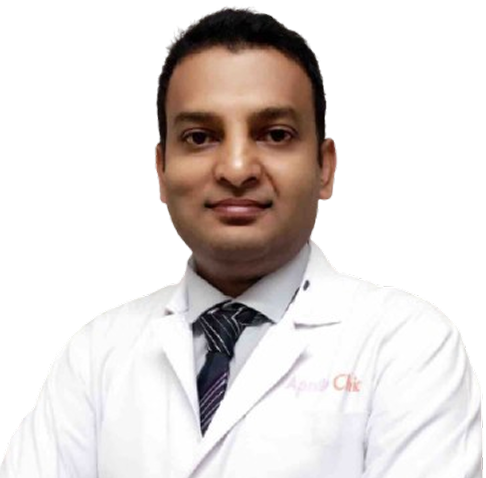
Dr. Adarsh M. Patil
MS, FMAS — Pilonidal Sinus Specialist, Bangalore
Consult Dr. Adarsh M. Patil — Pilonidal Sinus Specialist
Discuss laser and surgical options, likely recovery, costs, and next steps after an individual assessment.