
Pilonidal Sinus in Women: Symptoms, Differences from Men, and Treatment Options
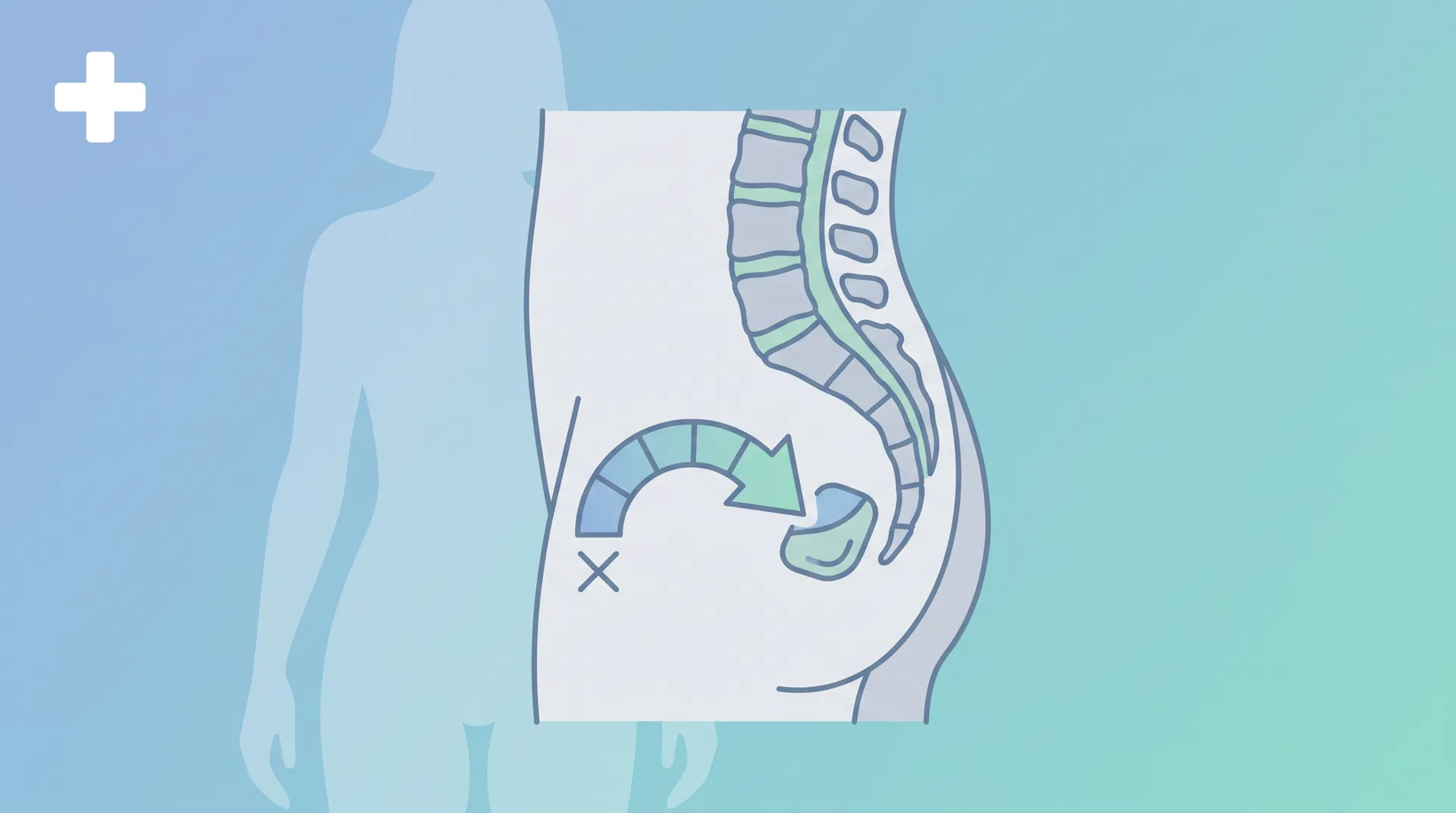
Pilonidal sinus affects women too, causing pain and discomfort near the tailbone. Symptoms include pain, swelling, discharge, and lumps. While less common than in men, hormonal changes and prolonged sitting can increase risk. Treatment ranges from hygiene to surgery. Early diagnosis and expert care are crucial for recovery.
Pilonidal sinus, though often associated with men, is a significant health concern for women, causing discomfort and pain. Understanding its unique symptoms, differences from male presentation, and available treatment options is vital for timely diagnosis and effective management. This article provides comprehensive information to empower women with knowledge about this condition.
When to See a Doctor
🚨 Seek immediate medical attention if you experience severe pain, high fever, or rapidly spreading redness around the affected area.
Seek urgent care if you have:
- •Severe pain and swelling
- •High fever
- •Rapidly spreading redness
- •Pus discharge with foul odor
In Bangalore: Call 108 for emergencies or visit your nearest hospital.
Understanding Pilonidal Sinus in Women
Pilonidal sinus, often perceived as a condition primarily affecting men, is a significant health concern for women as well. While less prevalent, its impact on women's daily lives can be substantial, causing discomfort, pain, and potential embarrassment.
Causes and Risk Factors in Women
While the fundamental mechanism of pilonidal sinus formation is similar in both sexes, certain factors may uniquely contribute to its development in women:
- Hormonal Changes: Fluctuations in hormones can influence hair growth and skin oil production, potentially increasing the risk of ingrown hairs.
- Prolonged Sitting: Occupations involving extended periods of sitting can increase pressure and friction in the sacrococcygeal area.
- Tight-Fitting Clothing: Garments that are tight around the buttocks can trap hair and sweat.
- Hair Characteristics: Certain hair types in women, especially thick or curly hair, can be more prone to becoming ingrown.
Symptoms in Women
The symptoms of a pilonidal sinus in women can range from mild irritation to severe infection:
- Pain and Tenderness: Localized pain, especially when sitting or putting pressure on the tailbone area.
- Swelling and Redness: Inflammation around the affected area.
- Discharge: Pus or blood drainage from a small opening in the skin, potentially with a foul odor.
- Lump or Pit: A small, often painful, lump or a dimple-like opening above the buttocks cleft.
- Fever and Malaise: Systemic symptoms like fever, chills, and general unwellness in cases of severe infection.
Differences from Men
Historically, pilonidal sinus disease has been associated with young male patients. However, research indicates that female patients account for approximately 21% of cases globally. Female patients may experience different pain intensities and drainage characteristics.
Treatment Options for Women
Treatment depends on the severity and chronicity of the condition:
#Conservative Management
- Meticulous hygiene in the gluteal cleft
- Regular hair removal (shaving, laser)
- Avoiding prolonged sitting and wearing loose-fitting clothing
#Surgical Treatment
Dr. Adarsh M. Patil at Apollo Clinic Indiranagar, Bangalore (KMC Reg: 53728, +91 9972446882) offers advanced surgical solutions including:
- Minimally Invasive Techniques: Laser Ablation, EPSiT, Pit Picking
- Flap Procedures: Karydakis Flap, Cleft Lift Procedure for complex or recurrent cases
When to Consult a Specialist
If you experience persistent pain, swelling, redness, or discharge near your tailbone, seek medical evaluation without delay. Early consultation with Dr. Adarsh M. Patil can lead to simpler treatment and prevent chronic issues.
While the fundamental mechanism of pilonidal sinus formation is similar in both sexes, certain factors may uniquely contribute to its development in women:
- Hormonal Changes: Fluctuations in hormones can influence hair growth and skin oil production, potentially increasing the risk of ingrown hairs.
- Prolonged Sitting: Occupations involving extended periods of sitting can increase pressure and friction in the sacrococcygeal area.
- Tight-Fitting Clothing: Garments that are tight around the buttocks can trap hair and sweat.
- Hair Characteristics: Certain hair types in women, especially thick or curly hair, can be more prone to becoming ingrown.
Symptoms in Women
The symptoms of a pilonidal sinus in women can range from mild irritation to severe infection:
- Pain and Tenderness: Localized pain, especially when sitting or putting pressure on the tailbone area.
- Swelling and Redness: Inflammation around the affected area.
- Discharge: Pus or blood drainage from a small opening in the skin, potentially with a foul odor.
- Lump or Pit: A small, often painful, lump or a dimple-like opening above the buttocks cleft.
- Fever and Malaise: Systemic symptoms like fever, chills, and general unwellness in cases of severe infection.
Differences from Men
Historically, pilonidal sinus disease has been associated with young male patients. However, research indicates that female patients account for approximately 21% of cases globally. Female patients may experience different pain intensities and drainage characteristics.
Treatment Options for Women
Treatment depends on the severity and chronicity of the condition:
#Conservative Management
- Meticulous hygiene in the gluteal cleft
- Regular hair removal (shaving, laser)
- Avoiding prolonged sitting and wearing loose-fitting clothing
#Surgical Treatment
Dr. Adarsh M. Patil at Apollo Clinic Indiranagar, Bangalore (KMC Reg: 53728, +91 9972446882) offers advanced surgical solutions including:
- Minimally Invasive Techniques: Laser Ablation, EPSiT, Pit Picking
- Flap Procedures: Karydakis Flap, Cleft Lift Procedure for complex or recurrent cases
When to Consult a Specialist
If you experience persistent pain, swelling, redness, or discharge near your tailbone, seek medical evaluation without delay. Early consultation with Dr. Adarsh M. Patil can lead to simpler treatment and prevent chronic issues.
Historically, pilonidal sinus disease has been associated with young male patients. However, research indicates that female patients account for approximately 21% of cases globally. Female patients may experience different pain intensities and drainage characteristics.
Treatment Options for Women
Treatment depends on the severity and chronicity of the condition:
#Conservative Management
- Meticulous hygiene in the gluteal cleft
- Regular hair removal (shaving, laser)
- Avoiding prolonged sitting and wearing loose-fitting clothing
#Surgical Treatment
Dr. Adarsh M. Patil at Apollo Clinic Indiranagar, Bangalore (KMC Reg: 53728, +91 9972446882) offers advanced surgical solutions including:
- Minimally Invasive Techniques: Laser Ablation, EPSiT, Pit Picking
- Flap Procedures: Karydakis Flap, Cleft Lift Procedure for complex or recurrent cases
When to Consult a Specialist
If you experience persistent pain, swelling, redness, or discharge near your tailbone, seek medical evaluation without delay. Early consultation with Dr. Adarsh M. Patil can lead to simpler treatment and prevent chronic issues.
- Meticulous hygiene in the gluteal cleft
- Regular hair removal (shaving, laser)
- Avoiding prolonged sitting and wearing loose-fitting clothing
#
Surgical Treatment
Dr. Adarsh M. Patil at Apollo Clinic Indiranagar, Bangalore (KMC Reg: 53728, +91 9972446882) offers advanced surgical solutions including:
- Minimally Invasive Techniques: Laser Ablation, EPSiT, Pit Picking
- Flap Procedures: Karydakis Flap, Cleft Lift Procedure for complex or recurrent cases
When to Consult a Specialist
If you experience persistent pain, swelling, redness, or discharge near your tailbone, seek medical evaluation without delay. Early consultation with Dr. Adarsh M. Patil can lead to simpler treatment and prevent chronic issues.
If you experience persistent pain, swelling, redness, or discharge near your tailbone, seek medical evaluation without delay. Early consultation with Dr. Adarsh M. Patil can lead to simpler treatment and prevent chronic issues.
Medical References & Sources
- [1]Global Gender Differences in Pilonidal Sinus Disease. PubMed, 2020. View source ↗
- [2]Pilonidal Disease: Practice Essentials. Medscape, 2024. View source ↗

Dr. Adarsh M. Patil
MS, FMAS — Pilonidal Sinus Specialist, Bangalore
Consult Dr. Adarsh M. Patil — Pilonidal Sinus Specialist
Discuss laser and surgical options, likely recovery, costs, and next steps after an individual assessment.