How to Prevent Pilonidal Sinus from Coming Back
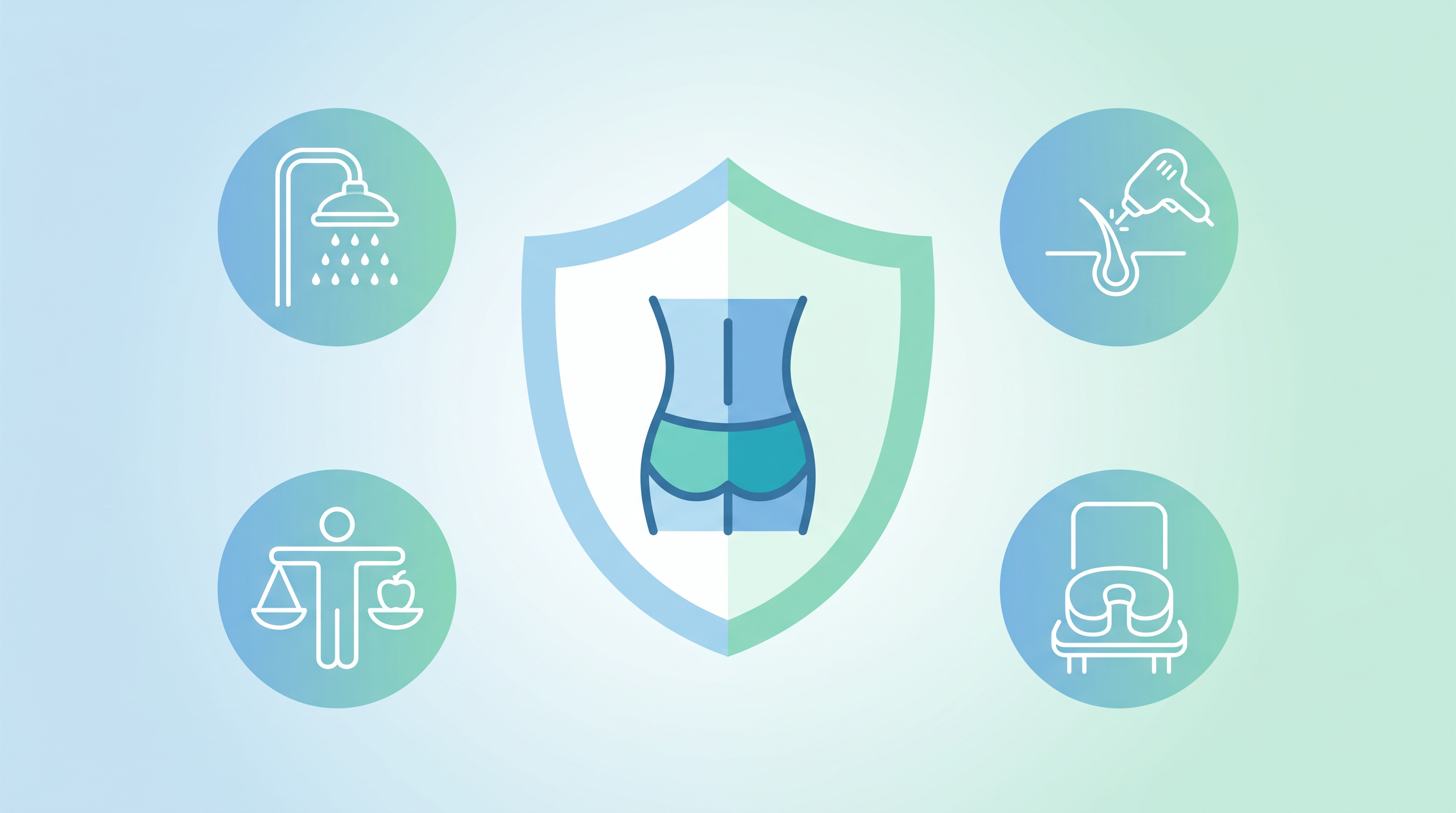
Prevent recurrence by keeping the area clean and dry, removing hair regularly (laser hair removal is most effective), maintaining a healthy weight, avoiding prolonged sitting, and attending all follow-up appointments with your surgeon.
After successful treatment for pilonidal sinus, the most important question is: how do I make sure it does not come back? The good news is that recurrence is largely preventable with the right habits.
Signs of Recurrence
🚨 If you notice a new painful lump, swelling, or discharge near your tailbone after previous treatment, contact Dr. Patil's clinic immediately. Early recurrence is much easier to treat.
Seek urgent care if you have:
- •New painful lump or swelling near tailbone
- •Discharge or pus from the surgical site
- •Fever with tailbone pain after surgery
- •Wound that is not healing or is opening up
In Bangalore: Call 108 for emergencies or visit your nearest hospital.
Why Does Pilonidal Sinus Recur?
Pilonidal sinus recurs when the underlying risk factors are not addressed. The most common causes of recurrence are hair re-growing into the skin near the tailbone, poor wound hygiene, excess moisture in the natal cleft, obesity (which deepens the natal cleft), and prolonged sitting without breaks.
The Most Effective Prevention Strategy: Hair Removal
The single most effective way to prevent recurrence is permanent hair removal in the natal cleft area. Options include:
Laser hair removal (recommended): Permanently destroys hair follicles. Requires 6–8 sessions. Most effective long-term solution.
Depilatory creams: Temporary hair removal. Must be repeated every 2–4 weeks. Less effective than laser.
Shaving: Must be done every 1–2 weeks. Risk of ingrown hairs if not done correctly.
Daily Hygiene Habits
Keep the natal cleft clean and dry. Wash the area gently with mild soap and water daily. Pat dry thoroughly — never rub. Avoid tight-fitting clothing that traps moisture. Change out of sweaty clothes promptly after exercise.
Lifestyle Modifications
Maintain a healthy weight to reduce the depth of the natal cleft. Take regular breaks from sitting — stand or walk for 5 minutes every hour. Use a donut cushion or coccyx cushion if you must sit for long periods. Avoid activities that cause friction or trauma to the area.
Follow-Up Care
Attend all scheduled follow-up appointments with Dr. Adarsh M. Patil. Report any new symptoms promptly — early treatment of recurrence is much simpler than treating a fully developed abscess.
The single most effective way to prevent recurrence is permanent hair removal in the natal cleft area. Options include:
Laser hair removal (recommended): Permanently destroys hair follicles. Requires 6–8 sessions. Most effective long-term solution.
Depilatory creams: Temporary hair removal. Must be repeated every 2–4 weeks. Less effective than laser.
Shaving: Must be done every 1–2 weeks. Risk of ingrown hairs if not done correctly.
Daily Hygiene Habits
Keep the natal cleft clean and dry. Wash the area gently with mild soap and water daily. Pat dry thoroughly — never rub. Avoid tight-fitting clothing that traps moisture. Change out of sweaty clothes promptly after exercise.
Lifestyle Modifications
Maintain a healthy weight to reduce the depth of the natal cleft. Take regular breaks from sitting — stand or walk for 5 minutes every hour. Use a donut cushion or coccyx cushion if you must sit for long periods. Avoid activities that cause friction or trauma to the area.
Follow-Up Care
Attend all scheduled follow-up appointments with Dr. Adarsh M. Patil. Report any new symptoms promptly — early treatment of recurrence is much simpler than treating a fully developed abscess.
Maintain a healthy weight to reduce the depth of the natal cleft. Take regular breaks from sitting — stand or walk for 5 minutes every hour. Use a donut cushion or coccyx cushion if you must sit for long periods. Avoid activities that cause friction or trauma to the area.
Follow-Up Care
Attend all scheduled follow-up appointments with Dr. Adarsh M. Patil. Report any new symptoms promptly — early treatment of recurrence is much simpler than treating a fully developed abscess.
Medical References & Sources
- [1]Prevention of Pilonidal Disease Recurrence. PubMed, 2023. View source ↗
- [2]Pilonidal Sinus: Prevention. NHS, 2022. View source ↗
Dr. Adarsh M. Patil
MS, FMAS — Pilonidal Sinus Specialist, Bangalore
Consult Dr. Adarsh M. Patil — Pilonidal Sinus Specialist
Discuss laser and surgical options, likely recovery, costs, and next steps after an individual assessment.