
Recurrent Pilonidal Sinus: Why It Comes Back and How to Treat It
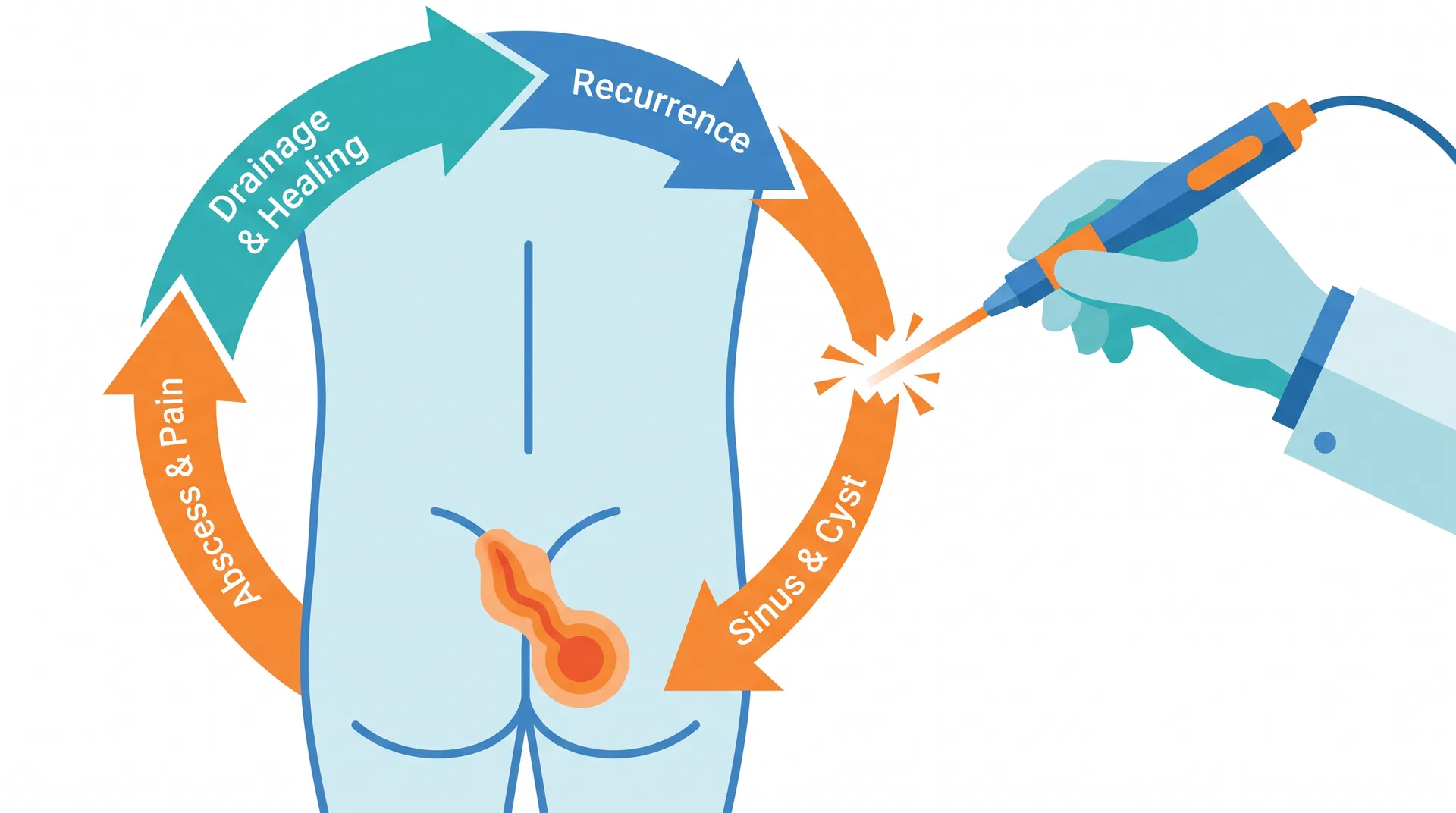
Pilonidal sinus recurrence rates range from 1-15% depending on the treatment used. Recurrence is most commonly caused by inadequate excision, failure to remove all pits, poor wound care, and continued hair growth into the area. Flap surgery (Karydakis or Limberg) has the lowest recurrence rates (1-5%) and is the preferred treatment for recurrent disease.
If your pilonidal sinus has come back after treatment, you are not alone. Recurrence is a recognized challenge in pilonidal sinus management, and the approach to treating recurrent disease differs from treating it the first time. Dr. Adarsh M. Patil at Apollo Clinic Indiranagar, Bangalore specializes in managing recurrent pilonidal sinus with advanced surgical techniques.
When to See Your Surgeon
🚨 Seek urgent care if you develop severe pain, fever, or rapidly enlarging swelling — this indicates an acute abscess requiring urgent drainage.
Seek urgent care if you have:
- •Severe pain at the surgical site
- •Fever above 38°C
- •Rapidly enlarging swelling
- •Significant pus discharge
In Bangalore: Call 108 for emergencies or visit your nearest hospital.
Why Does Pilonidal Sinus Recur?
Pilonidal sinus recurrence occurs when the underlying cause is not fully addressed. Common reasons include:
#1. Inadequate Excision
If the entire sinus tract and all pits (external openings) are not completely removed, residual disease can lead to recurrence.
#2. Failure to Remove All Pits
Even a single missed pit can allow hair to re-enter the skin and form a new sinus tract.
#3. Poor Wound Healing
Wound complications like infection, dehiscence (opening), or delayed healing create an environment where recurrence is more likely.
#4. Continued Hair Growth
Failure to maintain regular hair removal after surgery is one of the most common preventable causes of recurrence.
#5. Deep Natal Cleft
Patients with a deep natal cleft have a higher recurrence risk because the anatomy creates more friction and hair accumulation.
#6. Obesity
Excess body weight increases pressure and friction in the natal cleft.
Recurrence Rates by Treatment
| Treatment | Recurrence Rate |
|-----------|----------------|
| Incision & Drainage only | 40-50% |
| Open excision (open wound) | 10-15% |
| Open excision (primary closure) | 15-25% |
| Laser treatment (FiLaC) | 3-7% |
| Limberg flap | 1-3% |
| Karydakis flap | 1-5% |
Treatment for Recurrent Pilonidal Sinus
Dr. Adarsh M. Patil at Apollo Clinic Indiranagar, Bangalore (KMC Reg: 53728, +91 9972446882) recommends more advanced techniques for recurrent disease:
#Flap Surgery: The Gold Standard for Recurrence
Karydakis Flap:
- Excises the sinus and uses a skin flap to flatten the natal cleft
- Moves the suture line away from the midline
- Recurrence rate: 1-5%
- Recovery: 2-3 weeks
Limberg Flap (Rhomboid Flap):
- Excises the sinus and rotates a rhomboid skin flap to close the defect
- Eliminates the deep natal cleft
- Recurrence rate: 1-3%
- Recovery: 2-3 weeks
Cleft Lift Procedure:
- Flattens the natal cleft to prevent hair accumulation
- Excellent results for recurrent and complex disease
#Why Flap Surgery Works Better for Recurrence
Flap procedures work by addressing the root anatomical cause of recurrence — the deep natal cleft. By flattening the cleft, these procedures eliminate the environment where hair accumulates and penetrates the skin.
Prevention After Treatment for Recurrence
After treatment for recurrent pilonidal sinus, prevention is even more important:
- Laser hair removal: Permanent hair removal is strongly recommended
- Regular follow-up: Attend all scheduled appointments with Dr. Adarsh M. Patil
- Weight management: Maintain a healthy body weight
- Avoid prolonged sitting: Use ergonomic cushions and take regular breaks
When to Seek Help
If you notice new pits, discharge, pain, or swelling after previous treatment, consult Dr. Adarsh M. Patil promptly. Early intervention for recurrent disease prevents the need for more extensive surgery.
If the entire sinus tract and all pits (external openings) are not completely removed, residual disease can lead to recurrence.
#
2. Failure to Remove All Pits
Even a single missed pit can allow hair to re-enter the skin and form a new sinus tract.
#3. Poor Wound Healing
Wound complications like infection, dehiscence (opening), or delayed healing create an environment where recurrence is more likely.
#4. Continued Hair Growth
Failure to maintain regular hair removal after surgery is one of the most common preventable causes of recurrence.
#5. Deep Natal Cleft
Patients with a deep natal cleft have a higher recurrence risk because the anatomy creates more friction and hair accumulation.
#6. Obesity
Excess body weight increases pressure and friction in the natal cleft.
Recurrence Rates by Treatment
| Treatment | Recurrence Rate |
|-----------|----------------|
| Incision & Drainage only | 40-50% |
| Open excision (open wound) | 10-15% |
| Open excision (primary closure) | 15-25% |
| Laser treatment (FiLaC) | 3-7% |
| Limberg flap | 1-3% |
| Karydakis flap | 1-5% |
Treatment for Recurrent Pilonidal Sinus
Dr. Adarsh M. Patil at Apollo Clinic Indiranagar, Bangalore (KMC Reg: 53728, +91 9972446882) recommends more advanced techniques for recurrent disease:
#Flap Surgery: The Gold Standard for Recurrence
Karydakis Flap:
- Excises the sinus and uses a skin flap to flatten the natal cleft
- Moves the suture line away from the midline
- Recurrence rate: 1-5%
- Recovery: 2-3 weeks
Limberg Flap (Rhomboid Flap):
- Excises the sinus and rotates a rhomboid skin flap to close the defect
- Eliminates the deep natal cleft
- Recurrence rate: 1-3%
- Recovery: 2-3 weeks
Cleft Lift Procedure:
- Flattens the natal cleft to prevent hair accumulation
- Excellent results for recurrent and complex disease
#Why Flap Surgery Works Better for Recurrence
Flap procedures work by addressing the root anatomical cause of recurrence — the deep natal cleft. By flattening the cleft, these procedures eliminate the environment where hair accumulates and penetrates the skin.
Prevention After Treatment for Recurrence
After treatment for recurrent pilonidal sinus, prevention is even more important:
- Laser hair removal: Permanent hair removal is strongly recommended
- Regular follow-up: Attend all scheduled appointments with Dr. Adarsh M. Patil
- Weight management: Maintain a healthy body weight
- Avoid prolonged sitting: Use ergonomic cushions and take regular breaks
When to Seek Help
If you notice new pits, discharge, pain, or swelling after previous treatment, consult Dr. Adarsh M. Patil promptly. Early intervention for recurrent disease prevents the need for more extensive surgery.
Wound complications like infection, dehiscence (opening), or delayed healing create an environment where recurrence is more likely.
#
4. Continued Hair Growth
Failure to maintain regular hair removal after surgery is one of the most common preventable causes of recurrence.
#5. Deep Natal Cleft
Patients with a deep natal cleft have a higher recurrence risk because the anatomy creates more friction and hair accumulation.
#6. Obesity
Excess body weight increases pressure and friction in the natal cleft.
Recurrence Rates by Treatment
| Treatment | Recurrence Rate |
|-----------|----------------|
| Incision & Drainage only | 40-50% |
| Open excision (open wound) | 10-15% |
| Open excision (primary closure) | 15-25% |
| Laser treatment (FiLaC) | 3-7% |
| Limberg flap | 1-3% |
| Karydakis flap | 1-5% |
Treatment for Recurrent Pilonidal Sinus
Dr. Adarsh M. Patil at Apollo Clinic Indiranagar, Bangalore (KMC Reg: 53728, +91 9972446882) recommends more advanced techniques for recurrent disease:
#Flap Surgery: The Gold Standard for Recurrence
Karydakis Flap:
- Excises the sinus and uses a skin flap to flatten the natal cleft
- Moves the suture line away from the midline
- Recurrence rate: 1-5%
- Recovery: 2-3 weeks
Limberg Flap (Rhomboid Flap):
- Excises the sinus and rotates a rhomboid skin flap to close the defect
- Eliminates the deep natal cleft
- Recurrence rate: 1-3%
- Recovery: 2-3 weeks
Cleft Lift Procedure:
- Flattens the natal cleft to prevent hair accumulation
- Excellent results for recurrent and complex disease
#Why Flap Surgery Works Better for Recurrence
Flap procedures work by addressing the root anatomical cause of recurrence — the deep natal cleft. By flattening the cleft, these procedures eliminate the environment where hair accumulates and penetrates the skin.
Prevention After Treatment for Recurrence
After treatment for recurrent pilonidal sinus, prevention is even more important:
- Laser hair removal: Permanent hair removal is strongly recommended
- Regular follow-up: Attend all scheduled appointments with Dr. Adarsh M. Patil
- Weight management: Maintain a healthy body weight
- Avoid prolonged sitting: Use ergonomic cushions and take regular breaks
When to Seek Help
If you notice new pits, discharge, pain, or swelling after previous treatment, consult Dr. Adarsh M. Patil promptly. Early intervention for recurrent disease prevents the need for more extensive surgery.
Patients with a deep natal cleft have a higher recurrence risk because the anatomy creates more friction and hair accumulation.
#
6. Obesity
Excess body weight increases pressure and friction in the natal cleft.
Recurrence Rates by Treatment
| Treatment | Recurrence Rate |
|-----------|----------------|
| Incision & Drainage only | 40-50% |
| Open excision (open wound) | 10-15% |
| Open excision (primary closure) | 15-25% |
| Laser treatment (FiLaC) | 3-7% |
| Limberg flap | 1-3% |
| Karydakis flap | 1-5% |
Treatment for Recurrent Pilonidal Sinus
Dr. Adarsh M. Patil at Apollo Clinic Indiranagar, Bangalore (KMC Reg: 53728, +91 9972446882) recommends more advanced techniques for recurrent disease:
#Flap Surgery: The Gold Standard for Recurrence
Karydakis Flap:
- Excises the sinus and uses a skin flap to flatten the natal cleft
- Moves the suture line away from the midline
- Recurrence rate: 1-5%
- Recovery: 2-3 weeks
Limberg Flap (Rhomboid Flap):
- Excises the sinus and rotates a rhomboid skin flap to close the defect
- Eliminates the deep natal cleft
- Recurrence rate: 1-3%
- Recovery: 2-3 weeks
Cleft Lift Procedure:
- Flattens the natal cleft to prevent hair accumulation
- Excellent results for recurrent and complex disease
#Why Flap Surgery Works Better for Recurrence
Flap procedures work by addressing the root anatomical cause of recurrence — the deep natal cleft. By flattening the cleft, these procedures eliminate the environment where hair accumulates and penetrates the skin.
Prevention After Treatment for Recurrence
After treatment for recurrent pilonidal sinus, prevention is even more important:
- Laser hair removal: Permanent hair removal is strongly recommended
- Regular follow-up: Attend all scheduled appointments with Dr. Adarsh M. Patil
- Weight management: Maintain a healthy body weight
- Avoid prolonged sitting: Use ergonomic cushions and take regular breaks
When to Seek Help
If you notice new pits, discharge, pain, or swelling after previous treatment, consult Dr. Adarsh M. Patil promptly. Early intervention for recurrent disease prevents the need for more extensive surgery.
| Treatment | Recurrence Rate |
|-----------|----------------|
| Incision & Drainage only | 40-50% |
| Open excision (open wound) | 10-15% |
| Open excision (primary closure) | 15-25% |
| Laser treatment (FiLaC) | 3-7% |
| Limberg flap | 1-3% |
| Karydakis flap | 1-5% |
Treatment for Recurrent Pilonidal Sinus
Dr. Adarsh M. Patil at Apollo Clinic Indiranagar, Bangalore (KMC Reg: 53728, +91 9972446882) recommends more advanced techniques for recurrent disease:
#Flap Surgery: The Gold Standard for Recurrence
Karydakis Flap:
- Excises the sinus and uses a skin flap to flatten the natal cleft
- Moves the suture line away from the midline
- Recurrence rate: 1-5%
- Recovery: 2-3 weeks
Limberg Flap (Rhomboid Flap):
- Excises the sinus and rotates a rhomboid skin flap to close the defect
- Eliminates the deep natal cleft
- Recurrence rate: 1-3%
- Recovery: 2-3 weeks
Cleft Lift Procedure:
- Flattens the natal cleft to prevent hair accumulation
- Excellent results for recurrent and complex disease
#Why Flap Surgery Works Better for Recurrence
Flap procedures work by addressing the root anatomical cause of recurrence — the deep natal cleft. By flattening the cleft, these procedures eliminate the environment where hair accumulates and penetrates the skin.
Prevention After Treatment for Recurrence
After treatment for recurrent pilonidal sinus, prevention is even more important:
- Laser hair removal: Permanent hair removal is strongly recommended
- Regular follow-up: Attend all scheduled appointments with Dr. Adarsh M. Patil
- Weight management: Maintain a healthy body weight
- Avoid prolonged sitting: Use ergonomic cushions and take regular breaks
When to Seek Help
If you notice new pits, discharge, pain, or swelling after previous treatment, consult Dr. Adarsh M. Patil promptly. Early intervention for recurrent disease prevents the need for more extensive surgery.
Karydakis Flap:
- Excises the sinus and uses a skin flap to flatten the natal cleft
- Moves the suture line away from the midline
- Recurrence rate: 1-5%
- Recovery: 2-3 weeks
Limberg Flap (Rhomboid Flap):
- Excises the sinus and rotates a rhomboid skin flap to close the defect
- Eliminates the deep natal cleft
- Recurrence rate: 1-3%
- Recovery: 2-3 weeks
Cleft Lift Procedure:
- Flattens the natal cleft to prevent hair accumulation
- Excellent results for recurrent and complex disease
#
Why Flap Surgery Works Better for Recurrence
Flap procedures work by addressing the root anatomical cause of recurrence — the deep natal cleft. By flattening the cleft, these procedures eliminate the environment where hair accumulates and penetrates the skin.
Prevention After Treatment for Recurrence
After treatment for recurrent pilonidal sinus, prevention is even more important:
- Laser hair removal: Permanent hair removal is strongly recommended
- Regular follow-up: Attend all scheduled appointments with Dr. Adarsh M. Patil
- Weight management: Maintain a healthy body weight
- Avoid prolonged sitting: Use ergonomic cushions and take regular breaks
When to Seek Help
If you notice new pits, discharge, pain, or swelling after previous treatment, consult Dr. Adarsh M. Patil promptly. Early intervention for recurrent disease prevents the need for more extensive surgery.
After treatment for recurrent pilonidal sinus, prevention is even more important:
- Laser hair removal: Permanent hair removal is strongly recommended
- Regular follow-up: Attend all scheduled appointments with Dr. Adarsh M. Patil
- Weight management: Maintain a healthy body weight
- Avoid prolonged sitting: Use ergonomic cushions and take regular breaks
When to Seek Help
If you notice new pits, discharge, pain, or swelling after previous treatment, consult Dr. Adarsh M. Patil promptly. Early intervention for recurrent disease prevents the need for more extensive surgery.
Medical References & Sources
- [1]Recurrent pilonidal sinus: systematic review. PubMed, 2022. View source ↗
- [2]Karydakis flap for pilonidal sinus. Diseases of the Colon & Rectum, 2021. View source ↗
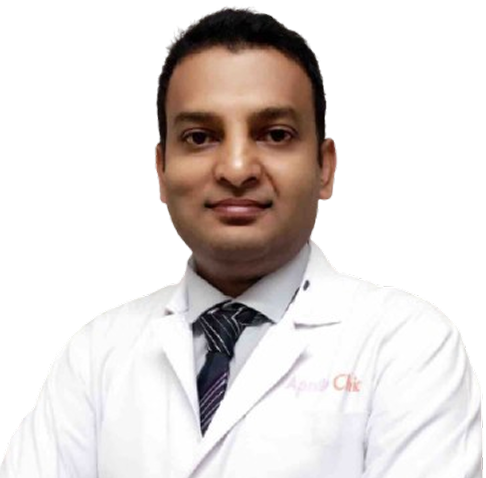
Dr. Adarsh M. Patil
MS, FMAS — Pilonidal Sinus Specialist, Bangalore
Consult Dr. Adarsh M. Patil — Pilonidal Sinus Specialist
Discuss laser and surgical options, likely recovery, costs, and next steps after an individual assessment.