Sitting Posture & Pilonidal Sinus: How Your Desk Job May Be Making It Worse
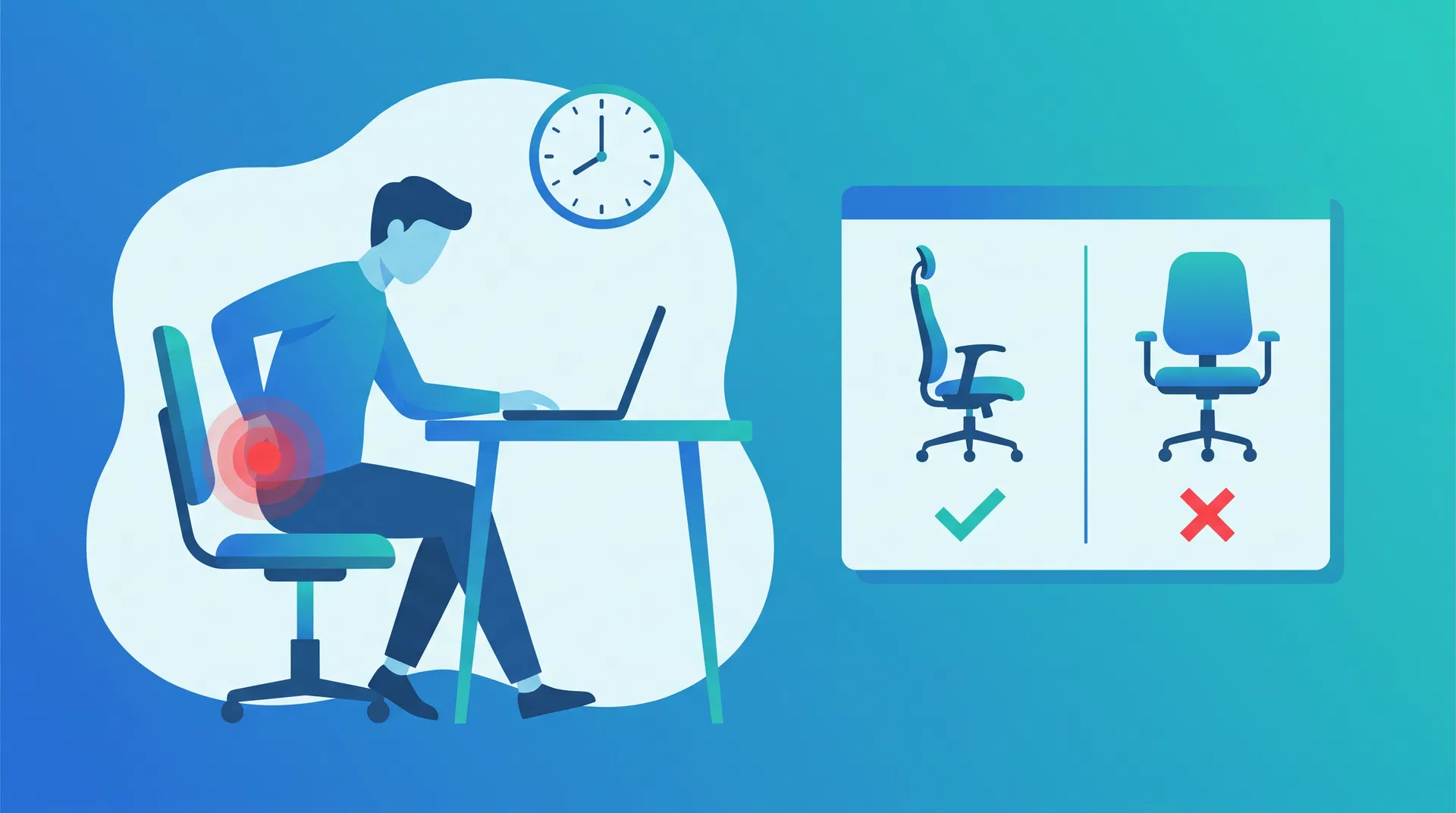
Prolonged sitting is a major risk factor for pilonidal sinus disease. IT professionals, software engineers, students, and drivers who sit for 6+ hours daily face significantly higher risk. Taking regular breaks, using ergonomic cushions, maintaining good posture, and performing regular hair removal can significantly reduce risk.
If you work a desk job and have been experiencing tailbone pain or recurring pilonidal sinus issues, your sitting habits may be a contributing factor. Prolonged sitting increases pressure and friction in the natal cleft, creating conditions that favor pilonidal sinus development and recurrence. This article explains the connection and provides practical prevention strategies.
When to See a Doctor
🚨 Seek immediate care if you develop severe pain, fever, or significant swelling in the tailbone area — this may indicate an acute abscess.
Seek urgent care if you have:
- •Severe pain preventing sitting
- •Fever above 38°C
- •Rapidly enlarging swelling
- •Pus or blood discharge
In Bangalore: Call 108 for emergencies or visit your nearest hospital.
The Sitting-Pilonidal Sinus Connection
Pilonidal sinus disease was historically called "Jeep disease" because it was common among soldiers who drove jeeps over rough terrain for long periods. Today, the modern equivalent is the office worker or software engineer who sits at a desk for 8-10 hours daily.
Prolonged sitting affects the natal cleft (the crease between the buttocks) in several ways:
- Increased Pressure: Body weight concentrates on the sacrococcygeal area, compressing the skin and underlying tissue
- Friction: Slight movements while sitting create repetitive friction that can drive loose hairs into the skin
- Moisture: Sitting traps sweat and moisture in the natal cleft, softening the skin and making it more vulnerable
- Reduced Circulation: Prolonged pressure reduces blood flow to the area, impairing the skin's ability to resist infection
Who Is Most at Risk?
Occupations and activities with highest risk:
| Occupation | Risk Level | Reason |
|------------|------------|--------|
| Software Engineers / IT | Very High | 8-10 hours desk sitting |
| Students | High | Long lectures + studying |
| Truck/Cab Drivers | Very High | Vibration + prolonged sitting |
| Cyclists | High | Friction + pressure |
| Office Workers | High | Sedentary desk work |
Ergonomic Strategies to Reduce Risk
#1. The 30-30 Rule
For every 30 minutes of sitting, stand or walk for at least 5 minutes. Set a timer or use a standing reminder app.
#2. Use a Donut or Coccyx Cushion
Specially designed cushions with a cutout at the tailbone area reduce direct pressure on the natal cleft. Available at medical supply stores and online.
#3. Correct Sitting Posture
- Sit with your back straight and supported
- Keep feet flat on the floor
- Avoid crossing your legs (increases asymmetric pressure)
- Ensure your chair height allows your hips to be at 90°
#4. Standing Desk
Alternating between sitting and standing reduces total pressure time. Even 2-3 hours of standing per day makes a significant difference.
#5. Regular Breaks and Movement
- Walk to a colleague instead of emailing
- Take stairs instead of the elevator
- Do gentle stretches at your desk every hour
Hair Removal: The Most Important Prevention Step
Regardless of your occupation, regular hair removal from the natal cleft is the single most effective prevention strategy. Dr. Adarsh M. Patil at Apollo Clinic Indiranagar, Bangalore recommends:
- Shaving: Every 2-3 weeks using a clean razor
- Laser Hair Removal: Permanent solution, especially recommended for IT professionals with high-risk sitting habits
- Depilatory Creams: Convenient alternative to shaving
Hygiene Tips for Desk Workers
- Shower daily, paying attention to the natal cleft
- Dry the area thoroughly after bathing
- Wear loose-fitting, breathable cotton underwear
- Change out of sweaty clothes promptly after exercise
When to See Dr. Adarsh M. Patil
If you develop tailbone pain, swelling, or discharge despite following prevention measures, consult Dr. Adarsh M. Patil at Apollo Clinic Indiranagar, Bangalore (KMC Reg: 53728, +91 9972446882). Early treatment prevents chronic disease.
Occupations and activities with highest risk:
| Occupation | Risk Level | Reason |
|------------|------------|--------|
| Software Engineers / IT | Very High | 8-10 hours desk sitting |
| Students | High | Long lectures + studying |
| Truck/Cab Drivers | Very High | Vibration + prolonged sitting |
| Cyclists | High | Friction + pressure |
| Office Workers | High | Sedentary desk work |
Ergonomic Strategies to Reduce Risk
#1. The 30-30 Rule
For every 30 minutes of sitting, stand or walk for at least 5 minutes. Set a timer or use a standing reminder app.
#2. Use a Donut or Coccyx Cushion
Specially designed cushions with a cutout at the tailbone area reduce direct pressure on the natal cleft. Available at medical supply stores and online.
#3. Correct Sitting Posture
- Sit with your back straight and supported
- Keep feet flat on the floor
- Avoid crossing your legs (increases asymmetric pressure)
- Ensure your chair height allows your hips to be at 90°
#4. Standing Desk
Alternating between sitting and standing reduces total pressure time. Even 2-3 hours of standing per day makes a significant difference.
#5. Regular Breaks and Movement
- Walk to a colleague instead of emailing
- Take stairs instead of the elevator
- Do gentle stretches at your desk every hour
Hair Removal: The Most Important Prevention Step
Regardless of your occupation, regular hair removal from the natal cleft is the single most effective prevention strategy. Dr. Adarsh M. Patil at Apollo Clinic Indiranagar, Bangalore recommends:
- Shaving: Every 2-3 weeks using a clean razor
- Laser Hair Removal: Permanent solution, especially recommended for IT professionals with high-risk sitting habits
- Depilatory Creams: Convenient alternative to shaving
Hygiene Tips for Desk Workers
- Shower daily, paying attention to the natal cleft
- Dry the area thoroughly after bathing
- Wear loose-fitting, breathable cotton underwear
- Change out of sweaty clothes promptly after exercise
When to See Dr. Adarsh M. Patil
If you develop tailbone pain, swelling, or discharge despite following prevention measures, consult Dr. Adarsh M. Patil at Apollo Clinic Indiranagar, Bangalore (KMC Reg: 53728, +91 9972446882). Early treatment prevents chronic disease.
For every 30 minutes of sitting, stand or walk for at least 5 minutes. Set a timer or use a standing reminder app.
#
2. Use a Donut or Coccyx Cushion
Specially designed cushions with a cutout at the tailbone area reduce direct pressure on the natal cleft. Available at medical supply stores and online.
#3. Correct Sitting Posture
- Sit with your back straight and supported
- Keep feet flat on the floor
- Avoid crossing your legs (increases asymmetric pressure)
- Ensure your chair height allows your hips to be at 90°
#4. Standing Desk
Alternating between sitting and standing reduces total pressure time. Even 2-3 hours of standing per day makes a significant difference.
#5. Regular Breaks and Movement
- Walk to a colleague instead of emailing
- Take stairs instead of the elevator
- Do gentle stretches at your desk every hour
Hair Removal: The Most Important Prevention Step
Regardless of your occupation, regular hair removal from the natal cleft is the single most effective prevention strategy. Dr. Adarsh M. Patil at Apollo Clinic Indiranagar, Bangalore recommends:
- Shaving: Every 2-3 weeks using a clean razor
- Laser Hair Removal: Permanent solution, especially recommended for IT professionals with high-risk sitting habits
- Depilatory Creams: Convenient alternative to shaving
Hygiene Tips for Desk Workers
- Shower daily, paying attention to the natal cleft
- Dry the area thoroughly after bathing
- Wear loose-fitting, breathable cotton underwear
- Change out of sweaty clothes promptly after exercise
When to See Dr. Adarsh M. Patil
If you develop tailbone pain, swelling, or discharge despite following prevention measures, consult Dr. Adarsh M. Patil at Apollo Clinic Indiranagar, Bangalore (KMC Reg: 53728, +91 9972446882). Early treatment prevents chronic disease.
- Sit with your back straight and supported
- Keep feet flat on the floor
- Avoid crossing your legs (increases asymmetric pressure)
- Ensure your chair height allows your hips to be at 90°
#
4. Standing Desk
Alternating between sitting and standing reduces total pressure time. Even 2-3 hours of standing per day makes a significant difference.
#5. Regular Breaks and Movement
- Walk to a colleague instead of emailing
- Take stairs instead of the elevator
- Do gentle stretches at your desk every hour
Hair Removal: The Most Important Prevention Step
Regardless of your occupation, regular hair removal from the natal cleft is the single most effective prevention strategy. Dr. Adarsh M. Patil at Apollo Clinic Indiranagar, Bangalore recommends:
- Shaving: Every 2-3 weeks using a clean razor
- Laser Hair Removal: Permanent solution, especially recommended for IT professionals with high-risk sitting habits
- Depilatory Creams: Convenient alternative to shaving
Hygiene Tips for Desk Workers
- Shower daily, paying attention to the natal cleft
- Dry the area thoroughly after bathing
- Wear loose-fitting, breathable cotton underwear
- Change out of sweaty clothes promptly after exercise
When to See Dr. Adarsh M. Patil
If you develop tailbone pain, swelling, or discharge despite following prevention measures, consult Dr. Adarsh M. Patil at Apollo Clinic Indiranagar, Bangalore (KMC Reg: 53728, +91 9972446882). Early treatment prevents chronic disease.
- Walk to a colleague instead of emailing
- Take stairs instead of the elevator
- Do gentle stretches at your desk every hour
Hair Removal: The Most Important Prevention Step
Regardless of your occupation, regular hair removal from the natal cleft is the single most effective prevention strategy. Dr. Adarsh M. Patil at Apollo Clinic Indiranagar, Bangalore recommends:
- Shaving: Every 2-3 weeks using a clean razor
- Laser Hair Removal: Permanent solution, especially recommended for IT professionals with high-risk sitting habits
- Depilatory Creams: Convenient alternative to shaving
Hygiene Tips for Desk Workers
- Shower daily, paying attention to the natal cleft
- Dry the area thoroughly after bathing
- Wear loose-fitting, breathable cotton underwear
- Change out of sweaty clothes promptly after exercise
When to See Dr. Adarsh M. Patil
If you develop tailbone pain, swelling, or discharge despite following prevention measures, consult Dr. Adarsh M. Patil at Apollo Clinic Indiranagar, Bangalore (KMC Reg: 53728, +91 9972446882). Early treatment prevents chronic disease.
- Shower daily, paying attention to the natal cleft
- Dry the area thoroughly after bathing
- Wear loose-fitting, breathable cotton underwear
- Change out of sweaty clothes promptly after exercise
When to See Dr. Adarsh M. Patil
If you develop tailbone pain, swelling, or discharge despite following prevention measures, consult Dr. Adarsh M. Patil at Apollo Clinic Indiranagar, Bangalore (KMC Reg: 53728, +91 9972446882). Early treatment prevents chronic disease.
Medical References & Sources
- [1]Pilonidal disease risk factors: systematic review. PubMed, 2022. View source ↗
- [2]Pilonidal Sinus Disease. NHS, 2023. View source ↗
Dr. Adarsh M. Patil
MS, FMAS — Pilonidal Sinus Specialist, Bangalore
Consult Dr. Adarsh M. Patil — Pilonidal Sinus Specialist
Discuss laser and surgical options, likely recovery, costs, and next steps after an individual assessment.