
Wound Care After Pilonidal Sinus Surgery: Your Step-by-Step Guide
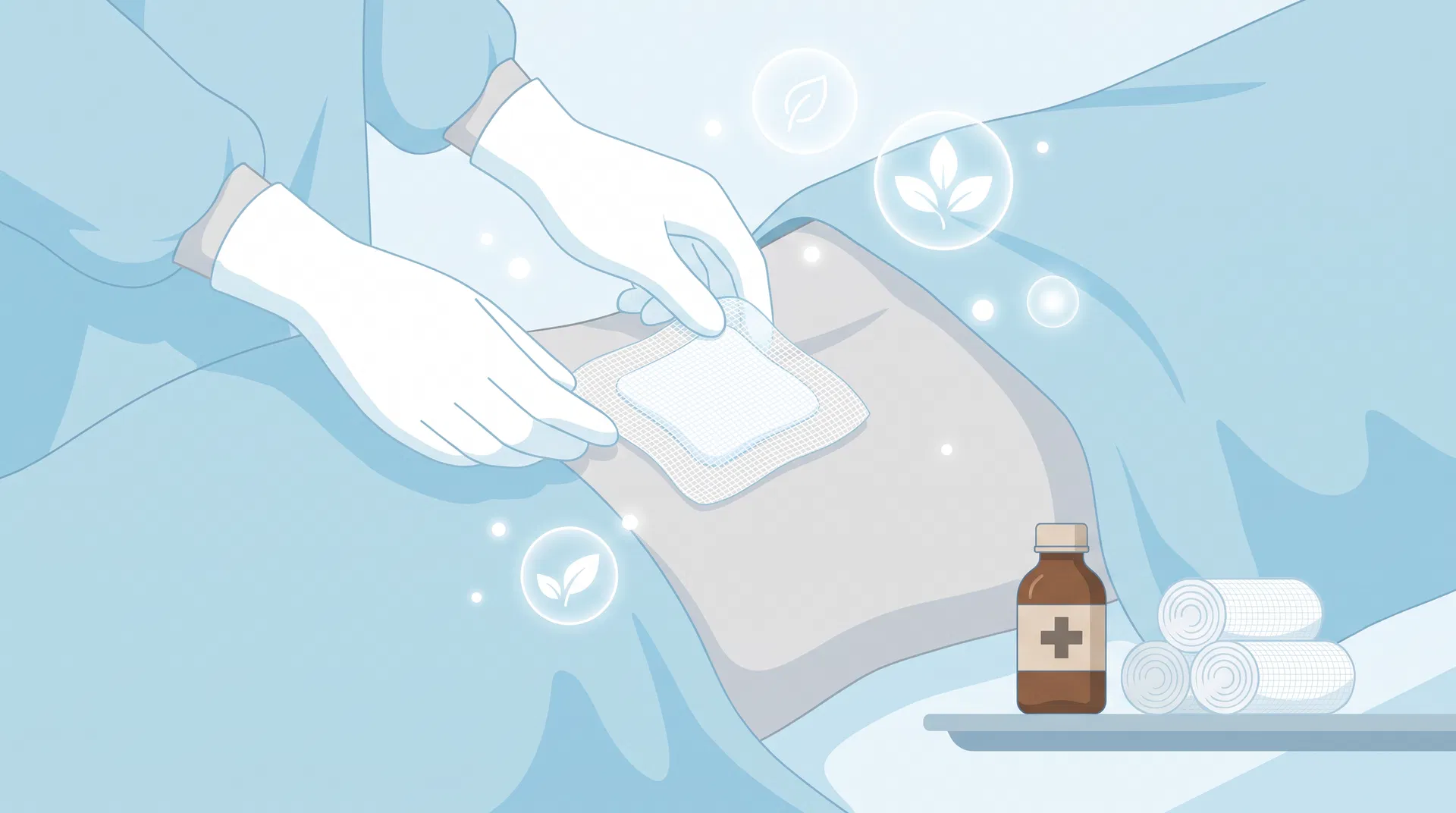
Proper wound care after pilonidal sinus surgery is essential for healing and preventing recurrence. Key steps include daily cleaning with saline or antiseptic, regular dressing changes, keeping the area dry, and hair removal around the wound. Most wounds heal within 4-8 weeks with proper care. Follow-up with your surgeon is critical.
After pilonidal sinus surgery, proper wound care is the most important factor in achieving a smooth recovery and preventing recurrence. Dr. Adarsh M. Patil at Apollo Clinic Indiranagar, Bangalore provides detailed wound care instructions to all patients. This step-by-step guide covers everything you need to know.
Warning Signs After Surgery
🚨 Go to the emergency room if you have severe pain, high fever above 39°C, or signs of spreading infection (red streaks, significant swelling).
Seek urgent care if you have:
- •Fever above 38.5°C
- •Increasing pain after day 3
- •Foul-smelling discharge
- •Wound edges separating
- •Red streaks spreading from wound
In Bangalore: Call 108 for emergencies or visit your nearest hospital.
Why Wound Care Matters After Pilonidal Sinus Surgery
The sacrococcygeal area (near the tailbone) is prone to contamination and moisture, making wound care particularly challenging. Poor wound care is one of the leading causes of:
- Wound infection
- Delayed healing
- Sinus recurrence
Step-by-Step Wound Care Guide
#Days 1-3: Immediate Post-Operative Care
Do:
- Keep the dressing clean and dry
- Take prescribed pain medications as directed
- Rest in a comfortable position (avoid direct pressure on the wound)
- Use a donut-shaped cushion when sitting
Do Not:
- Get the wound wet (no shower until cleared by your surgeon)
- Remove the dressing without guidance
- Sit directly on the wound
#Days 4-7: First Dressing Change
Cleaning the Wound:
1. Wash your hands thoroughly
2. Gently remove the old dressing
3. Clean the wound with normal saline or prescribed antiseptic solution
4. Pat dry with sterile gauze
5. Apply fresh dressing as instructed
What to Look For:
- Small amount of clear or slightly yellow discharge is normal
- Mild redness at wound edges is expected
- Report significant swelling, foul-smelling discharge, or fever immediately
#Week 2-4: Active Healing Phase
- Continue daily dressing changes
- Begin gentle showering (let water run over the wound, do not scrub)
- Start hair removal around the wound (shaving or cream) to prevent hair from entering the healing wound
- Gradually increase activity as tolerated
- Avoid prolonged sitting and strenuous exercise
#Week 4-8: Wound Closure
- Most open wounds close within 4-8 weeks
- Continue hair removal as a long-term habit
- Attend all follow-up appointments with Dr. Adarsh M. Patil
- Report any new pits, discharge, or pain promptly
Hair Removal: The Critical Prevention Step
Hair growing into the healing wound is the most common cause of recurrence. Dr. Adarsh M. Patil strongly recommends:
- Shaving the natal cleft every 2-3 weeks for at least 6 months after surgery
- Laser hair removal for permanent prevention
- Depilatory creams as an alternative to shaving
Signs of Wound Infection
Contact Dr. Adarsh M. Patil immediately if you notice:
- Increasing pain (pain should be decreasing, not increasing)
- Fever above 38°C
- Foul-smelling discharge
- Significant swelling or redness spreading beyond the wound
- Wound edges separating
Contact Information
Dr. Adarsh M. Patil | Apollo Clinic Indiranagar, Bangalore | KMC Reg: 53728 | +91 9972446882
#
Days 1-3: Immediate Post-Operative Care
Do:
- Keep the dressing clean and dry
- Take prescribed pain medications as directed
- Rest in a comfortable position (avoid direct pressure on the wound)
- Use a donut-shaped cushion when sitting
Do Not:
- Get the wound wet (no shower until cleared by your surgeon)
- Remove the dressing without guidance
- Sit directly on the wound
#Days 4-7: First Dressing Change
Cleaning the Wound:
1. Wash your hands thoroughly
2. Gently remove the old dressing
3. Clean the wound with normal saline or prescribed antiseptic solution
4. Pat dry with sterile gauze
5. Apply fresh dressing as instructed
What to Look For:
- Small amount of clear or slightly yellow discharge is normal
- Mild redness at wound edges is expected
- Report significant swelling, foul-smelling discharge, or fever immediately
#Week 2-4: Active Healing Phase
- Continue daily dressing changes
- Begin gentle showering (let water run over the wound, do not scrub)
- Start hair removal around the wound (shaving or cream) to prevent hair from entering the healing wound
- Gradually increase activity as tolerated
- Avoid prolonged sitting and strenuous exercise
#Week 4-8: Wound Closure
- Most open wounds close within 4-8 weeks
- Continue hair removal as a long-term habit
- Attend all follow-up appointments with Dr. Adarsh M. Patil
- Report any new pits, discharge, or pain promptly
Hair Removal: The Critical Prevention Step
Hair growing into the healing wound is the most common cause of recurrence. Dr. Adarsh M. Patil strongly recommends:
- Shaving the natal cleft every 2-3 weeks for at least 6 months after surgery
- Laser hair removal for permanent prevention
- Depilatory creams as an alternative to shaving
Signs of Wound Infection
Contact Dr. Adarsh M. Patil immediately if you notice:
- Increasing pain (pain should be decreasing, not increasing)
- Fever above 38°C
- Foul-smelling discharge
- Significant swelling or redness spreading beyond the wound
- Wound edges separating
Contact Information
Dr. Adarsh M. Patil | Apollo Clinic Indiranagar, Bangalore | KMC Reg: 53728 | +91 9972446882
Cleaning the Wound:
1. Wash your hands thoroughly
2. Gently remove the old dressing
3. Clean the wound with normal saline or prescribed antiseptic solution
4. Pat dry with sterile gauze
5. Apply fresh dressing as instructed
What to Look For:
- Small amount of clear or slightly yellow discharge is normal
- Mild redness at wound edges is expected
- Report significant swelling, foul-smelling discharge, or fever immediately
#
Week 2-4: Active Healing Phase
- Continue daily dressing changes
- Begin gentle showering (let water run over the wound, do not scrub)
- Start hair removal around the wound (shaving or cream) to prevent hair from entering the healing wound
- Gradually increase activity as tolerated
- Avoid prolonged sitting and strenuous exercise
#Week 4-8: Wound Closure
- Most open wounds close within 4-8 weeks
- Continue hair removal as a long-term habit
- Attend all follow-up appointments with Dr. Adarsh M. Patil
- Report any new pits, discharge, or pain promptly
Hair Removal: The Critical Prevention Step
Hair growing into the healing wound is the most common cause of recurrence. Dr. Adarsh M. Patil strongly recommends:
- Shaving the natal cleft every 2-3 weeks for at least 6 months after surgery
- Laser hair removal for permanent prevention
- Depilatory creams as an alternative to shaving
Signs of Wound Infection
Contact Dr. Adarsh M. Patil immediately if you notice:
- Increasing pain (pain should be decreasing, not increasing)
- Fever above 38°C
- Foul-smelling discharge
- Significant swelling or redness spreading beyond the wound
- Wound edges separating
Contact Information
Dr. Adarsh M. Patil | Apollo Clinic Indiranagar, Bangalore | KMC Reg: 53728 | +91 9972446882
- Most open wounds close within 4-8 weeks
- Continue hair removal as a long-term habit
- Attend all follow-up appointments with Dr. Adarsh M. Patil
- Report any new pits, discharge, or pain promptly
Hair Removal: The Critical Prevention Step
Hair growing into the healing wound is the most common cause of recurrence. Dr. Adarsh M. Patil strongly recommends:
- Shaving the natal cleft every 2-3 weeks for at least 6 months after surgery
- Laser hair removal for permanent prevention
- Depilatory creams as an alternative to shaving
Signs of Wound Infection
Contact Dr. Adarsh M. Patil immediately if you notice:
- Increasing pain (pain should be decreasing, not increasing)
- Fever above 38°C
- Foul-smelling discharge
- Significant swelling or redness spreading beyond the wound
- Wound edges separating
Contact Information
Dr. Adarsh M. Patil | Apollo Clinic Indiranagar, Bangalore | KMC Reg: 53728 | +91 9972446882
Contact Dr. Adarsh M. Patil immediately if you notice:
- Increasing pain (pain should be decreasing, not increasing)
- Fever above 38°C
- Foul-smelling discharge
- Significant swelling or redness spreading beyond the wound
- Wound edges separating
Contact Information
Dr. Adarsh M. Patil | Apollo Clinic Indiranagar, Bangalore | KMC Reg: 53728 | +91 9972446882
Medical References & Sources
- [1]Pilonidal sinus wound care guidelines. NHS, 2023. View source ↗
- [2]Post-operative care after pilonidal sinus surgery. Mayo Clinic, 2023. View source ↗
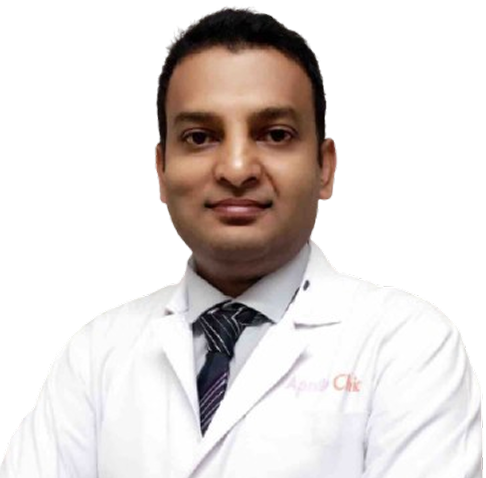
Dr. Adarsh M. Patil
MS, FMAS — Pilonidal Sinus Specialist, Bangalore
Consult Dr. Adarsh M. Patil — Pilonidal Sinus Specialist
Discuss laser and surgical options, likely recovery, costs, and next steps after an individual assessment.